
How a Pre-Purchase Inspection Works and Why It Matters

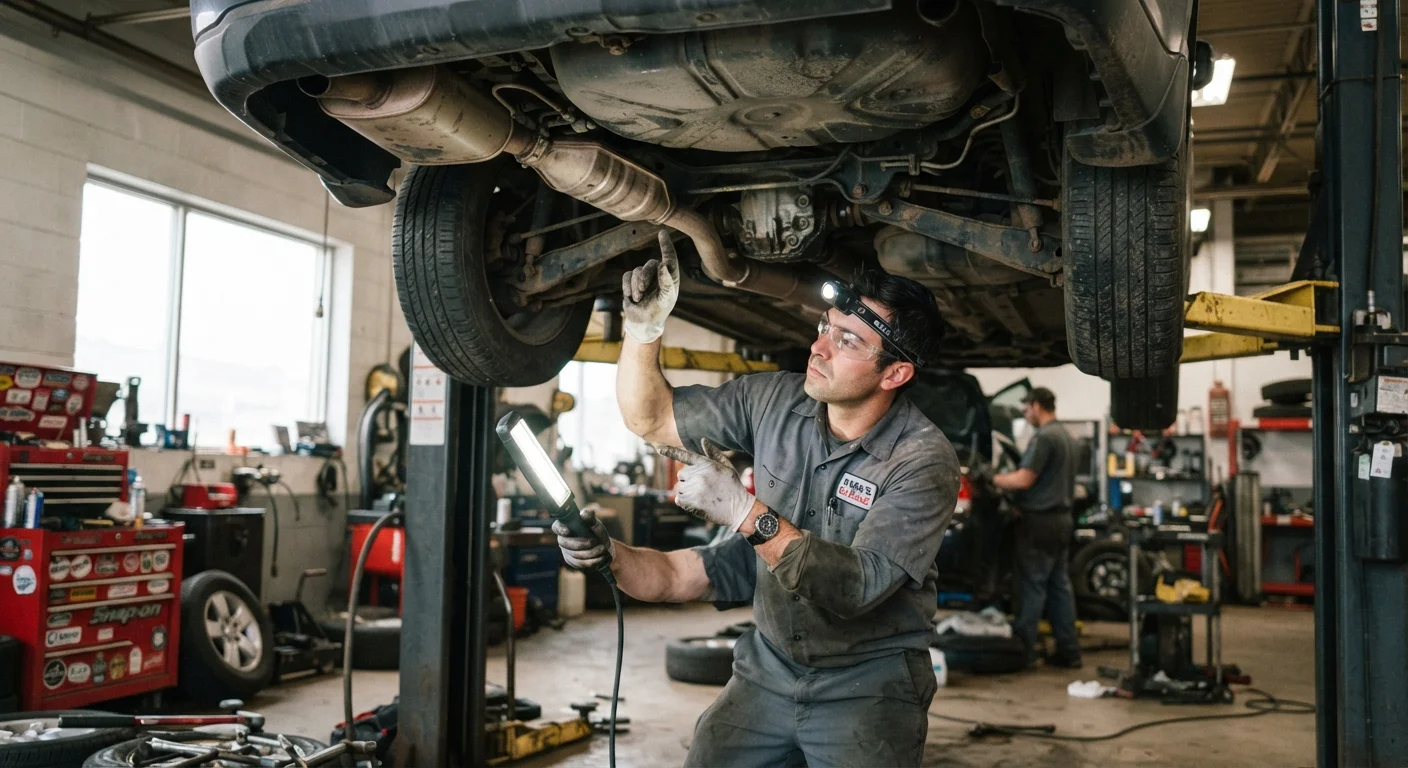
Photo: ScoutAnswers.com | Blogs That Ignite Curiosity editorial
Key Takeaways
- An independent pre-purchase inspection (PPI) should be performed by a mechanic you hire, not the seller's shop.
- Most inspections cost between $100 and $200 and can surface problems worth thousands in repairs.
- Inspectors evaluate mechanical systems, body condition, frame integrity, and fluid health.
- Results can support price negotiation, help you walk away, or give you confidence to buy.
- Even certified pre-owned vehicles can benefit from an independent inspection before purchase.
What a Pre-Purchase Inspection Actually Covers
A pre-purchase inspection (PPI) is a systematic evaluation of a used vehicle by a qualified, independent mechanic hired by the buyer. It goes well beyond a visual walkaround. A comprehensive PPI examines the mechanical health of the engine and drivetrain, the condition of safety-critical systems like brakes and steering, signs of prior accident damage, rust or corrosion on the frame and undercarriage, and the results of a diagnostic scan for any fault codes the vehicle's computer has stored.
Inspectors typically spend 60 to 90 minutes on a thorough evaluation. The goal is not to find a reason to kill the deal - it's to give you an accurate, unvarnished picture of what you're buying. Good inspectors will categorize findings by severity so you know which issues require immediate attention and which are routine maintenance items that any used car might carry.
Never Skip an Inspection on a Private Sale
It's worth understanding that even a clean history report doesn't eliminate the need for an inspection. Many accidents go unreported; cosmetic repairs can mask underlying structural damage. The inspection is the layer of due diligence that a report alone cannot provide.
What You'll Need Before You Start
What you will need
Independent Mechanic or Auto Shop
Performs the physical inspection of the vehicle's mechanical systems, body, and undercarriage.
Vehicle History Report Service
Provides documented records of past accidents, title issues, odometer readings, and service history using the VIN.
Mobile Inspection Service
Sends a certified inspector to the vehicle's location when transporting the car to a shop is not feasible.
Written Inspection Report
Documents all findings, categorized by severity, so you can review, share, and use the results during negotiations.
Step-by-Step: How to Arrange and Use a PPI
Run a vehicle history report before the inspection
Before scheduling any physical inspection, obtain a vehicle history report using the car's VIN. This report documents past accidents, title status, odometer discrepancies, reported service records, and whether the vehicle was declared a total loss by an insurer. A history report won't catch everything - unreported incidents won't appear - but it's a critical first filter. If the report reveals major red flags, you may decide not to invest in a full inspection at all.
Find and vet an independent inspector
Choose a mechanic or inspection service that has no connection to the seller. Good options include independent repair shops with certified technicians, mobile pre-purchase inspection services, or shops affiliated with recognized industry organizations such as ASE. Call ahead to confirm they perform pre-purchase inspections, ask what the inspection covers, and get a price estimate. Expect to pay roughly $100 to $200 depending on your region and the depth of the inspection.
Get the seller's agreement to allow the inspection
Contact the seller and request permission to have the vehicle inspected by your mechanic before you commit to buying. A seller who refuses without a compelling reason is itself a meaningful red flag - see the warning signs to watch for when buying a used car for more context on what evasive behavior may indicate. Agree on logistics: will you drive the car to the shop, or will a mobile inspector come to where the car is located?
Attend the inspection if possible
Being present during the inspection allows the mechanic to walk you through findings in real time and point out issues you can see for yourself. It's a practical education in the car's condition. If you can't attend in person, ask whether the shop provides photo or video documentation as part of their report - many modern inspection services do.
Review the written inspection report carefully
A thorough pre-purchase inspection should cover: engine and transmission condition, brakes and suspension, tires and wheels, exhaust system, fluid levels and quality, electrical systems, body panel condition and signs of prior collision repair, frame or unibody integrity, and the results of an OBD-II diagnostic scan for stored fault codes. The written report should categorize findings by urgency - immediate safety concerns, items needing near-term repair, and deferred maintenance.
Use the report to negotiate or make your decision
Armed with documented findings, you have three realistic options: negotiate a lower price reflecting the cost of confirmed repairs, ask the seller to complete specific repairs before the sale, or walk away if the problems are too severe. If the vehicle checks out cleanly, you can proceed with confidence. For buyers considering a certified pre-owned vehicle, note that even CPO programs have gaps - the CPO vs. used label breakdown explains what certification typically covers and where it may fall short.
Use Inspection Findings as a Negotiating Tool
After the Inspection: Making the Most of Your Findings
The inspection report is a document you own and can act on. If the vehicle passes with minor findings, you can move forward with the purchase knowing its real condition - a valuable baseline for future car maintenance as well. If the report identifies moderate issues, use the itemized repair estimates to have a fact-based conversation with the seller about price.
If findings are serious - significant frame damage, a failing transmission, signs of flood damage - understand that walking away is a legitimate and often correct outcome. Emotional investment in a specific car can be hard to set aside, but the inspection exists precisely to create distance between impulse and an expensive mistake.
Do Not Use the Seller's Recommended Mechanic
The pre-purchase inspection process is broadly similar in logic to how buyers use home inspections in real estate transactions. The same principle applies: independent professional scrutiny before commitment protects you in ways that listing photos and seller representations simply cannot.
The content on this site is for informational purposes only and is not a substitute for professional advice. Always consult a qualified professional for guidance specific to your situation.