
Car Battery Basics: How to Read the Signs Before You're Stranded

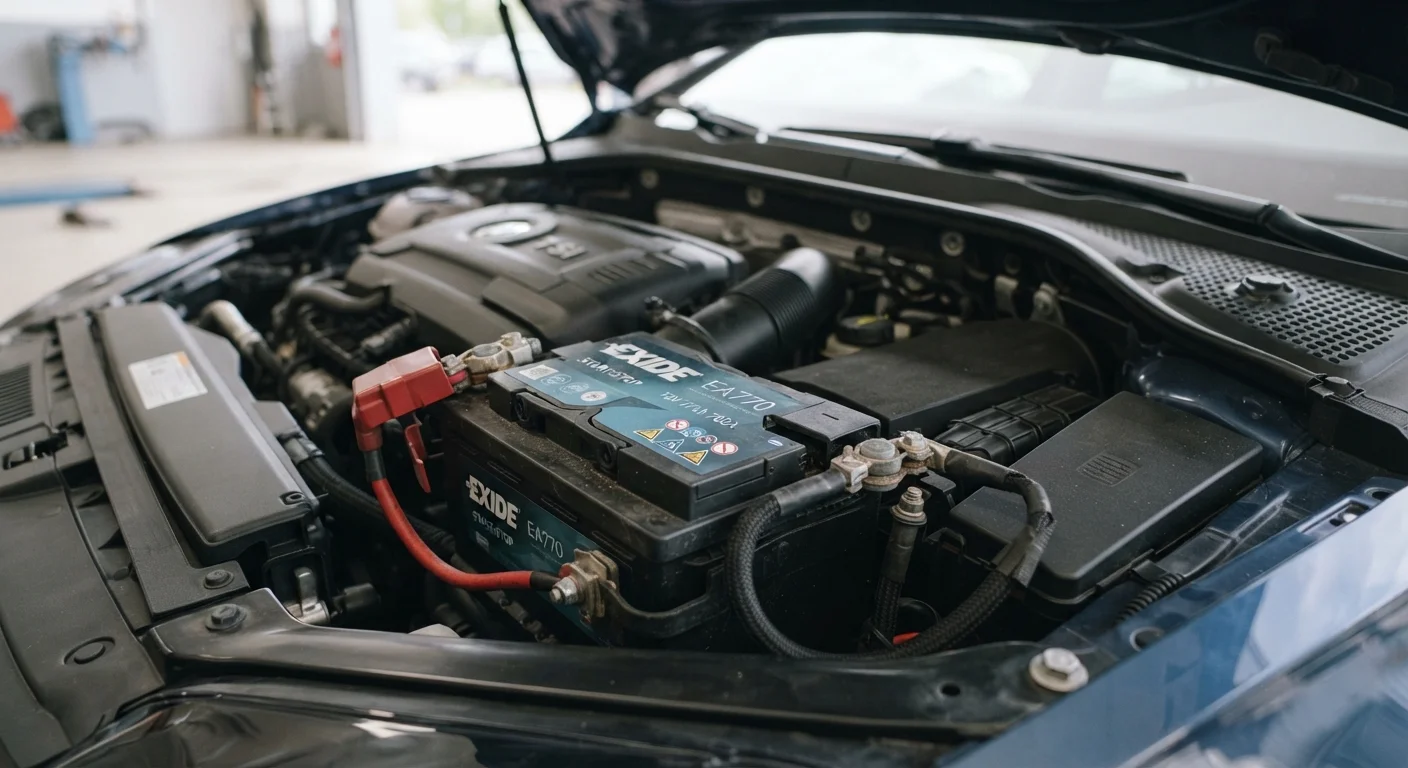
Photo: ScoutAnswers.com | Blogs That Ignite Curiosity editorial
Key Takeaways
- Most car batteries last between three and five years under normal driving conditions.
- Slow engine cranking, dim headlights, and electrical glitches are early warning signs of a weakening battery.
- Extreme temperatures - both hot and cold - significantly shorten battery life.
- A simple load test at a shop or auto parts store can confirm whether your battery needs replacing.
- Short trips prevent the battery from fully recharging, accelerating wear over time.
Why Batteries Fail Without Seeming To
A dead battery on a cold Monday morning rarely comes out of nowhere - the clues were there, just easy to dismiss. Understanding what a battery actually does, and what stresses it, gives drivers a meaningful head start on avoiding an unexpected breakdown.
Your battery has two primary jobs: deliver a surge of power to crank the starter motor, and sustain electrical systems - clocks, alarm modules, memory settings - when the engine is off. Once the engine is running, the alternator takes over power generation and simultaneously recharges the battery. When either component starts to fail, the system becomes unreliable. See our guide to dashboard warning lights to understand what your vehicle may already be trying to tell you.
3-5 years
Typical car battery lifespan
AAA research consistently places the average lead-acid car battery lifespan in the three-to-five-year range under normal operating conditions.
~50%
Reduction in battery output at 0°F
Cold temperatures can reduce a lead-acid battery's power output by roughly half compared to performance at 80°F, according to battery industry data.
1 in 4
Vehicles with a weak or failing battery
AAA has reported that approximately one in four vehicles it tests shows a battery that is weak or near the end of its service life.
The Warning Signs Worth Taking Seriously
Battery decline is usually gradual, which means observant drivers have a window to act. These are the signals that deserve attention:
- Slow or labored cranking: If the engine turns over more sluggishly than usual - especially on a mild morning - the battery may be losing capacity.
- Dimming headlights at idle: Lights that brighten when you rev the engine suggest the battery isn't holding enough charge on its own.
- Electrical gremlins: Intermittent power windows, erratic radio resets, or delayed power accessories can point to insufficient voltage.
- Frequent need for jump-starts: One jump-start can happen to anyone. Two or more in a short period is a clear flag.
- Visible corrosion on terminals: A white or blue-green crust around the battery posts restricts current flow and can cause erratic behavior.
Much like brake wear, battery warning signs are easier to act on early than to manage after a full failure.
What Actually Shortens Battery Life
Several common factors drain battery life faster than most drivers realize:
Extreme temperatures. Heat is actually harder on batteries than cold - it accelerates internal corrosion and fluid evaporation. Cold, meanwhile, reduces the battery's ability to deliver current, which is why a marginal battery often fails first on a frigid morning.
Short-trip driving. Every engine start draws down the battery. The alternator needs sustained runtime - typically more than a few minutes - to replace that energy. Drivers who consistently make only short trips may slowly deplete battery reserves over weeks.
Parasitic drain. Some electrical accessories or faulty modules draw power even with the ignition off. A persistent slow drain can flatten a battery overnight or over a weekend of non-use.
Age. Lead-acid batteries degrade chemically over time regardless of use. Most are rated for three to five years; beyond that window, even a battery that tests adequately can fail abruptly under load.
Check Battery Age Before Winter Hits
For a broader look at how battery lifespan compares to other key components, see the real lifespan of common car parts.
When and How to Get Your Battery Tested
If your battery is approaching three years old - or you've noticed any of the warning signs above - a professional load test is the most reliable next step. A load test applies a controlled demand to the battery and measures how well it maintains voltage under that stress. Voltage alone (checked with a multimeter) can look acceptable even when the battery is near failure.
Many auto parts stores offer free battery testing, and most service shops can perform one as part of a routine inspection. Because battery condition changes with temperature, seasonal checkups make particular sense. Our seasonal car maintenance checklist covers battery checks alongside other cold- and warm-weather priorities.
If you prefer a structured maintenance approach overall, building a routine maintenance schedule can help ensure battery testing doesn't fall through the cracks between other service visits.
Replacing a battery before it fails outright is generally more convenient and less costly than managing a no-start situation. A qualified mechanic can advise on the appropriate replacement specifications for your specific vehicle - getting the right CCA rating and group size matters for reliable performance.
Frequently Asked Questions
The content on this site is for informational purposes only and is not a substitute for professional advice. Always consult a qualified professional for guidance specific to your situation.