
Your Car's Warning Lights, Decoded

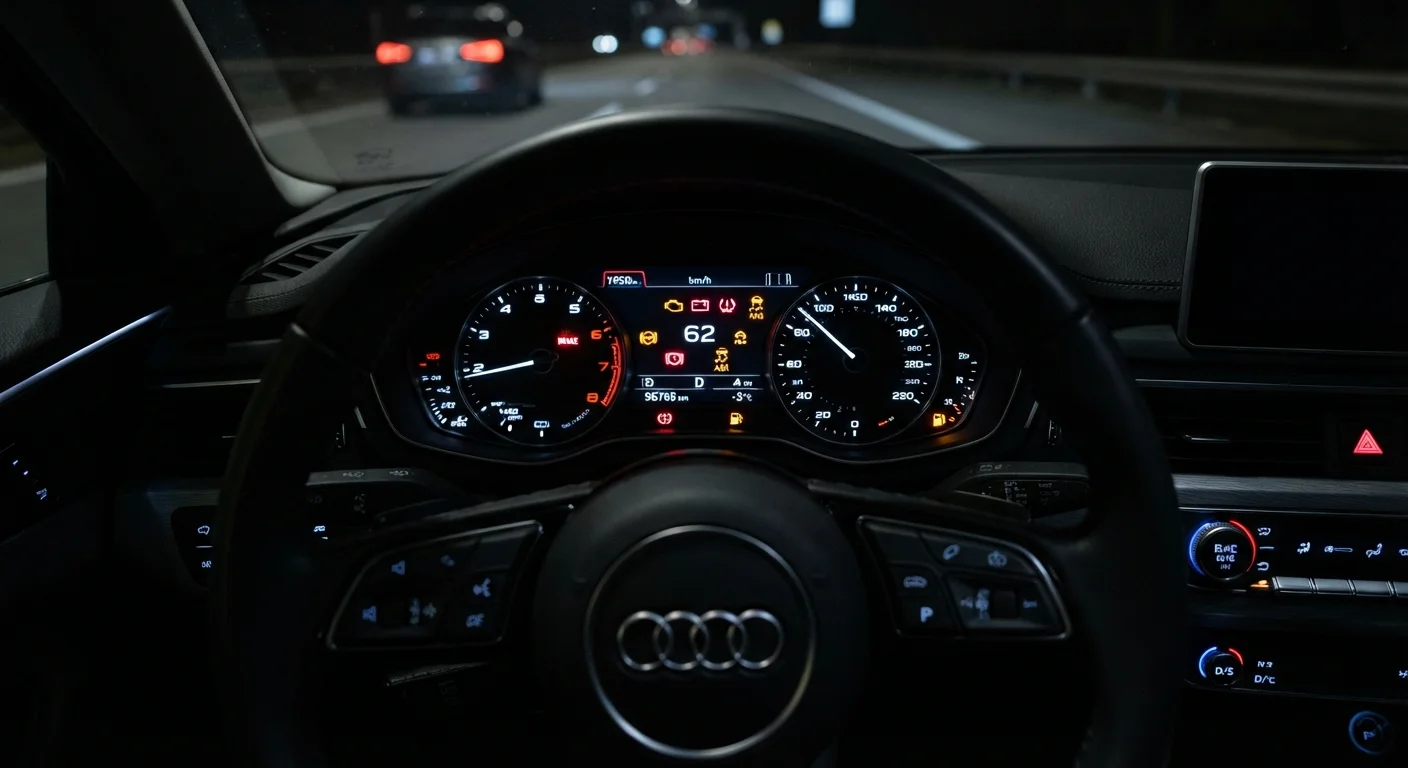
Photo: ScoutAnswers.com | Blogs That Ignite Curiosity editorial
Why Warning Lights Exist - and Why They Matter
Modern vehicles are equipped with dozens of sensors that continuously monitor engine health, safety systems, and operating conditions. When something falls outside normal parameters, the vehicle's onboard computer triggers a warning light on the dashboard to alert you. Ignoring these signals - even the less urgent amber ones - can turn a minor fix into a major repair bill.
The challenge for most drivers is that dashboard symbols often look more like abstract art than useful information. This reference guide cuts through the confusion by explaining what the most common warning lights actually mean and, critically, how quickly you need to respond. For deeper context on vehicle diagnostics, your owner's manual is the definitive reference for your specific vehicle.
Red vs. Amber: Urgency at a Glance
The Most Common Warning Lights, Explained
| Colors used for warning lights | Red, amber/yellow, blue, green (Society of Automotive Engineers (SAE) standards) |
| Red light urgency | Stop driving as soon as safely possible (General automotive industry guidance) |
| TPMS mandate (US) | Required on all new passenger vehicles since 2008 (NHTSA TPMS Federal Motor Vehicle Safety Standard) |
| Check engine light causes | Hundreds of possible fault codes (OBD-II diagnostic system) |
| Recommended action for oil pressure light | Pull over and shut off engine immediately (General automotive safety guidance) |
| ABS introduced in US vehicles | Widespread by the early 1990s; mandatory on new cars since 2012 (NHTSA vehicle safety regulations) |
Check Engine Light (Malfunction Indicator Lamp)
This amber engine-shaped icon is among the most misunderstood symbols on any dashboard. It can indicate anything from a loose gas cap to a misfiring cylinder. A steady light typically means a non-emergency fault - schedule a diagnostic scan soon. A flashing check engine light is more serious and indicates an active misfire that could damage the catalytic converter; reduce speed and have the vehicle inspected promptly. A mechanic can retrieve the specific fault code using an OBD-II scanner.
Oil Pressure Warning
This red oil can symbol signals that engine oil pressure has dropped dangerously low. Do not continue driving - pull over safely and shut off the engine. Running an engine with low oil pressure can cause severe, often irreversible internal damage within minutes. Check the oil level once the engine has cooled; if the level is adequate, the oil pump or pressure sensor may be at fault. Have the vehicle towed if you are uncertain.
Engine Temperature Warning
A red thermometer symbol surrounded by wavy lines means the engine is overheating. Pull over, turn off the engine, and allow it to cool before checking the coolant level. Never open a hot radiator cap. Overheating can warp cylinder heads and cause expensive engine damage. See your mechanic before driving any significant distance.
Battery / Charging System Light
A red battery symbol indicates the charging system is not maintaining proper voltage. This could mean a failing alternator, a worn drive belt, or a battery issue. The vehicle may continue to run briefly on battery reserve, but electrical systems will begin failing. Drive directly to a shop if possible, or call for roadside assistance. For more on battery warning signs, see Car Battery Basics.
Brake Warning Light
A red circle with an exclamation point inside parentheses (or the letter P) can indicate the parking brake is engaged - or that hydraulic brake pressure is low or brake fluid is critically low. If the parking brake is released and the light remains on, treat it as urgent. Have your brakes inspected without delay. Learn more about early warning signs in our guide to brake wear.
TPMS (Tire Pressure) Light
An amber symbol resembling a tire cross-section with an exclamation point means one or more tires are significantly underinflated. Check all four tires with a pressure gauge and inflate to the level specified on the driver's door jamb sticker - not the tire sidewall. Driving on underinflated tires reduces fuel efficiency, affects handling, and accelerates tire wear.
ABS Warning Light
The amber ABS light indicates a fault in the Anti-lock Braking System. Your standard brakes will still function, but the ABS may not activate correctly during emergency stops, increasing stopping distances on slippery surfaces. Have the system diagnosed promptly.
Traction Control / Stability Control Light
A car with squiggly lines beneath it, when flashing, simply means the system is actively working to prevent wheel slip - this is normal on slippery roads. If the light stays on steadily, the system may be disabled or malfunctioning. Some vehicles allow drivers to manually disable traction control; check that it has not been switched off accidentally.
OBD-II
On-Board Diagnostics, second generation - a standardized system built into most vehicles sold in the US after 1996 that monitors engine and emissions performance. A mechanic can plug a scan tool into your car's OBD-II port to read the specific fault codes behind a warning light.
Malfunction Indicator Lamp (MIL)
The technical name for the check engine light. It signals that the vehicle's onboard computer has detected an issue with the engine, emissions system, or related components.
Limp Mode
A protective state some vehicles enter when a serious fault is detected. The car limits speed and power to reduce further damage and encourage the driver to seek repairs immediately.
TPMS
Tire Pressure Monitoring System - a federally mandated sensor system on all US passenger vehicles made after 2008 that alerts the driver when one or more tires fall significantly below recommended pressure.
ABS
Anti-lock Braking System - a safety feature that prevents wheels from locking up during hard braking, helping the driver maintain steering control. An illuminated ABS light indicates the system may not function in an emergency stop.
Coolant
A liquid mixture (usually water and antifreeze) that circulates through the engine to regulate temperature. Low or degraded coolant can lead to engine overheating and serious damage.
What to Do When a Light Comes On
1 in 4
Cars on US roads with check engine light on
According to data compiled by CarMD's annual Vehicle Health Index reports, roughly one in four vehicles in operation has an active check engine light.
~40%
Of check engine light cases tied to emissions issues
Loose or faulty gas caps and oxygen sensor failures are among the most commonly recorded fault codes logged by OBD-II diagnostic systems.
Your response should match the urgency of the light. For red lights, treat them as immediate - safely pull over and do not resume driving until you understand the cause. For amber lights, schedule service within a day or two; continuing to drive briefly is generally acceptable unless the vehicle is behaving abnormally. Never assume a warning light will resolve itself without attention.
When multiple lights illuminate simultaneously - particularly after a low-speed incident or jump-start - a qualified mechanic with an OBD-II scan tool is your fastest path to an accurate diagnosis. Attempting to interpret clusters of lights without diagnostic data can lead to misdiagnosis and unnecessary repairs.
If you are evaluating a used vehicle and notice warning lights on the dash, treat them as potential red flags. Our guide on red flags when buying a used car covers this and other signs of hidden problems. For broader safe driving context, visit our Safe Driving hub.
This article is for general informational purposes only. Warning light meanings and appropriate responses can vary by vehicle make, model, and year. Always consult a qualified mechanic and your vehicle's owner's manual for guidance specific to your car.
The content on this site is for informational purposes only and is not a substitute for professional advice. Always consult a qualified professional for guidance specific to your situation.