
Red Flags to Watch for When Buying a Used Car

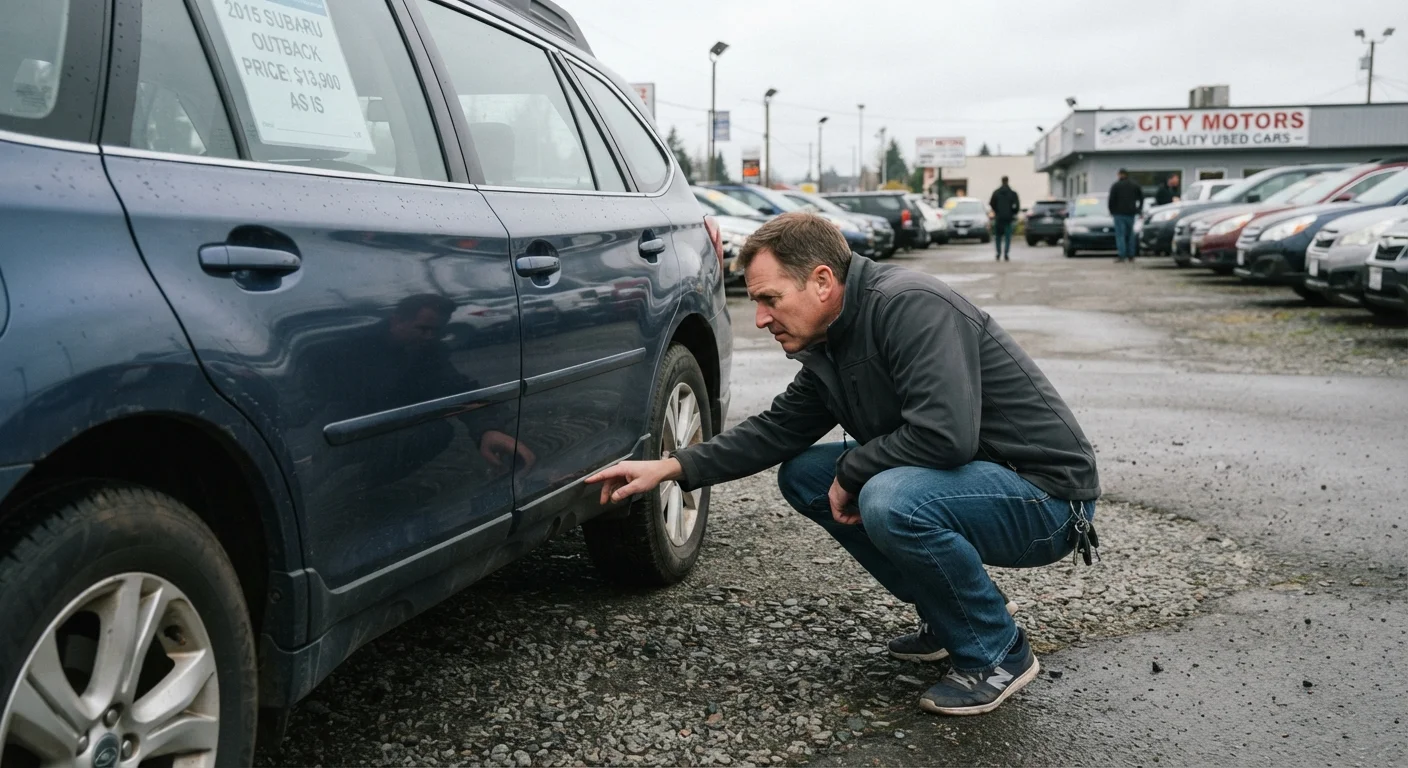
Photo: ScoutAnswers.com | Blogs That Ignite Curiosity editorial
Key Takeaways
- Mismatched paint or uneven panel gaps can signal undisclosed accident repairs.
- A vehicle history report is useful but does not catch every problem - always pair it with a physical inspection.
- An independent pre-purchase inspection by a qualified mechanic is one of the strongest protections a buyer has.
- Evasive sellers, rushed timelines, and missing documentation are behavioral red flags worth taking seriously.
- Rust, frame damage, and flood indicators can lead to costly repairs that exceed the vehicle's value.
Why Red Flags Matter Before You Sign
Buying a used car involves real financial risk. Unlike new vehicles, used cars arrive with unknown histories - and sellers don't always volunteer what they know. Learning to recognize warning signs before committing can prevent costly repairs, unsafe driving conditions, and frustrating ownership experiences.
The mistakes buyers most commonly make aren't about ignorance - they're about rushing, trusting too quickly, or skipping verification steps that feel inconvenient in the moment. The sections below break down those mistakes and what to do instead.
Skipping a thorough physical inspection and relying only on listing photos.
Ignoring signs of rust, especially underneath the vehicle and around structural components.
Failing to test drive the vehicle under realistic conditions.
Accepting an evasive or incomplete answer about the vehicle's history without pressing further.
Overlooking title status and missing or inconsistent documentation.
Assuming a low odometer reading automatically means the vehicle is in good condition.
What to Do After Spotting a Red Flag
Identifying a warning sign doesn't always mean walking away immediately - but it does mean pausing and gathering more information. Start with a vehicle history report using the car's VIN (Vehicle Identification Number). This can surface prior accidents, title issues, odometer discrepancies, and ownership changes. Keep in mind that history reports have real blind spots: cash-only repairs, private sales, and some flood events won't appear.
The most reliable follow-up step is a pre-purchase inspection by an independent, qualified mechanic - one not affiliated with the seller. A trained technician can identify mechanical wear, hidden rust, frame damage, and other issues that listing photos will never show. Expect to pay for this service; it is money well spent relative to the cost of a major repair discovered after purchase.
Flood-Damaged Vehicles Can Be Hard to Detect
If a seller refuses to allow an independent inspection, treat that refusal as a significant red flag in itself. Legitimate sellers with nothing to hide generally welcome the added credibility a clean inspection provides.
Understanding the difference between a cosmetic issue and a structural one also matters. Brake wear, for instance, may not be visible to the untrained eye during a walk-around but can represent an immediate safety concern. And if dashboard warning lights are illuminated during a test drive, don't dismiss them - consult your car's warning lights guide to understand what they may indicate before proceeding.
~1 in 5
Used vehicles with undisclosed damage history
Industry analyses of VIN-based history data have suggested a significant share of used vehicles on the market carry accident or damage records not proactively disclosed by sellers.
$150-$200
Typical cost of a pre-purchase inspection
According to general automotive service pricing, an independent pre-purchase inspection typically costs between $150 and $200 - a fraction of the cost of a major undisclosed repair.
For buyers weighing certified pre-owned options as a way to reduce uncertainty, it's worth understanding what CPO certification actually guarantees - programs vary widely by manufacturer and may not cover everything a buyer assumes.
The content on this site is for informational purposes only and is not a substitute for professional advice. Always consult a qualified professional for guidance specific to your situation.