
Vehicle History Reports: What They Reveal and What They Miss

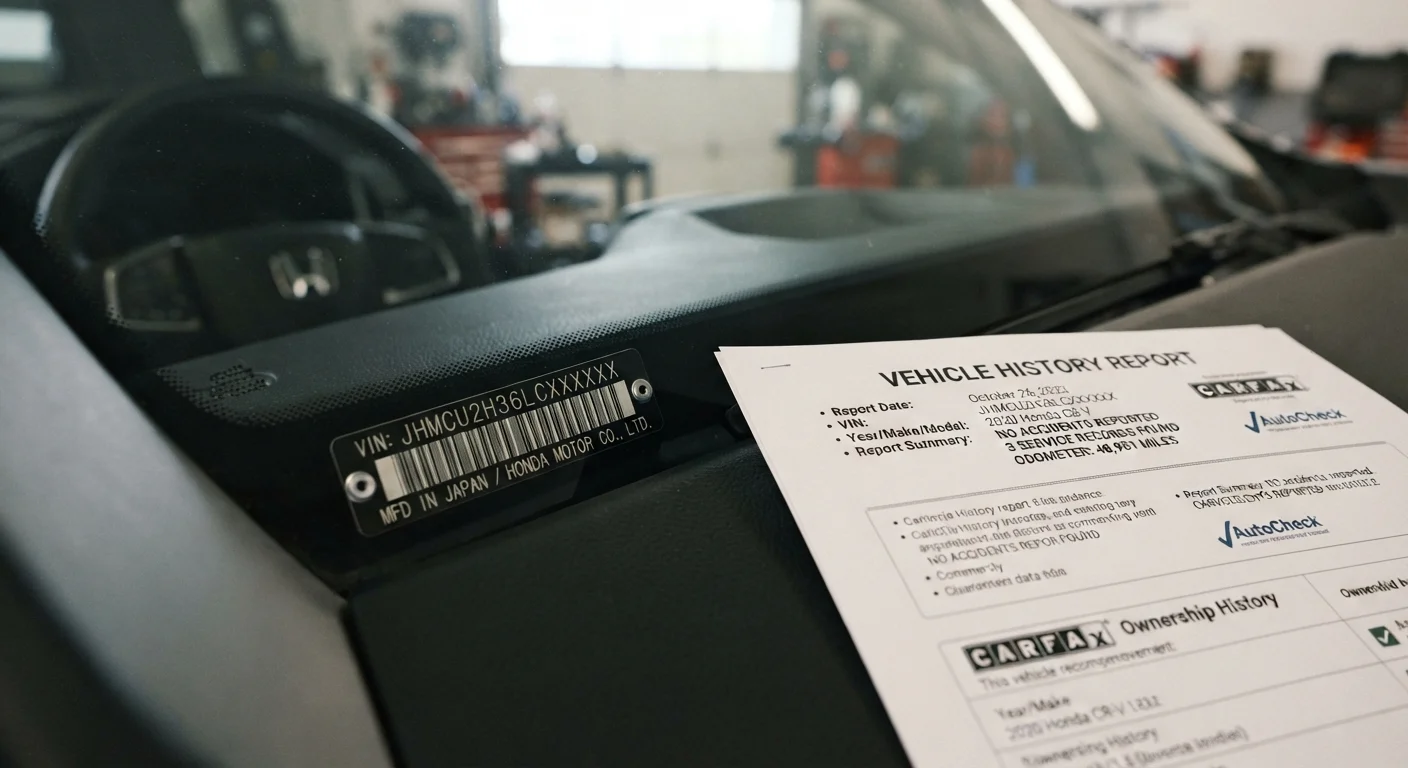
Photo: ScoutAnswers.com | Blogs That Ignite Curiosity editorial
Key Takeaways
- A vehicle history report draws on publicly reported data - events never reported to insurers or DMVs may not appear.
- Key disclosures include title brands (salvage, flood, lemon law), ownership count, and odometer rollback flags.
- A clean report does not guarantee a vehicle is problem-free - it only reflects what was formally recorded.
- A pre-purchase inspection by a qualified mechanic is the essential complement to any history report.
- Maintenance records kept privately by owners will not appear in most third-party reports.
What a Vehicle History Report Actually Contains
When you enter a VIN into a history report service, the resulting document pulls together records from multiple data streams: state Department of Motor Vehicles filings, insurance company claims submissions, auto auction logs, federal recall databases, and repair facilities that participate in voluntary reporting networks.
The core categories you'll typically see include:
- Title history and brands: How many owners the vehicle has had, in which states it was registered, and whether it carries a branded title - salvage, flood, lemon law buyback, or rebuilt.
- Reported accidents: Collisions that were filed as insurance claims or reported to authorities, sometimes including damage severity.
- Odometer readings: Readings recorded at each ownership transfer, which can flag potential rollback if numbers appear inconsistent.
- Open recalls: Outstanding safety recalls issued by the manufacturer that have not been completed.
- Auction and fleet records: Whether the vehicle moved through wholesale auctions or was operated as a rental, taxi, or fleet unit.
Understanding what each section means - and where the data comes from - helps you interpret the report accurately rather than treating it as a simple pass/fail.
~6 in 10
Used vehicles with at least one unreported accident
Industry analyses of used-vehicle data have suggested a significant share of vehicles have damage history not reflected in standard history reports, underscoring the limits of database-only research.
17 characters
Length of every vehicle's unique VIN
The VIN standard, established by ISO and adopted in the US in 1981, encodes the manufacturer, vehicle attributes, and a unique serial number in a standardized format.
Hundreds of millions
Vehicle records in major US history databases
Leading history report providers draw on records from state DMVs, insurers, auctions, and repair networks - but coverage quality varies by state reporting requirements and data-sharing agreements.
The Real Blind Spots: What Reports Routinely Miss
A history report is only as complete as the data reported to it. That limitation creates meaningful gaps that buyers need to understand.
Private-party accident repairs are among the most significant blind spots. When two drivers settle a minor fender-bender out of pocket to avoid insurance rate increases, no claim is filed and nothing appears in the database. Structural damage from such incidents can affect safety and long-term reliability without leaving any paper trail.
Maintenance history is another common gap. Routine service performed at an independent garage, a dealership not connected to the reporting network, or by the owner personally will not appear. A car can have perfect mechanical upkeep and still show zero service records on a third-party report.
Pre-purchase cosmetic reconditioning - fresh paint, new interior panels, or repaired trim - may conceal prior damage that was never formally documented.
Title fraud also occurs: a vehicle with a salvage title in one state may be retitled in another state with fewer disclosure requirements, a practice sometimes called title washing. A report may not catch all such cases, though inconsistencies across states can occasionally surface.
Always Verify the VIN Matches in Multiple Places
For a fuller picture of what to watch for beyond the report itself, see our guide on red flags to watch for when buying a used car.
How to Use a Report as Part of a Broader Verification Strategy
Treating a vehicle history report as one tool in a layered process - rather than a standalone verdict - gives you the most reliable picture before a purchase.
Cross-check the VIN physically. Confirm the VIN on the report matches the plate on the dashboard, the door jamb sticker, and the title document. Discrepancies are an immediate red flag.
Request seller-held maintenance records. Private owners who kept receipts, dealer service records, or a car maintenance log provide documentation the report won't contain. A seller who cannot produce any records for a high-mileage vehicle warrants extra caution.
Schedule a pre-purchase inspection. An independent mechanic can assess mechanical condition, identify prior repairs, and flag structural concerns that no data report will reveal. Learn more about how a pre-purchase inspection works and why it's worth the cost.
Verify open recalls are resolved. If the report flags an unaddressed recall, confirm with the manufacturer or the National Highway Traffic Safety Administration (NHTSA) database whether the remedy has since been completed.
A clean history report paired with a solid inspection and documented service history gives you a genuinely informed basis for a purchase decision - which is a considerably stronger position than any single data source alone.
Frequently Asked Questions
The content on this site is for informational purposes only and is not a substitute for professional advice. Always consult a qualified professional for guidance specific to your situation.