
Car Maintenance on a Schedule: Building a Routine That Actually Sticks

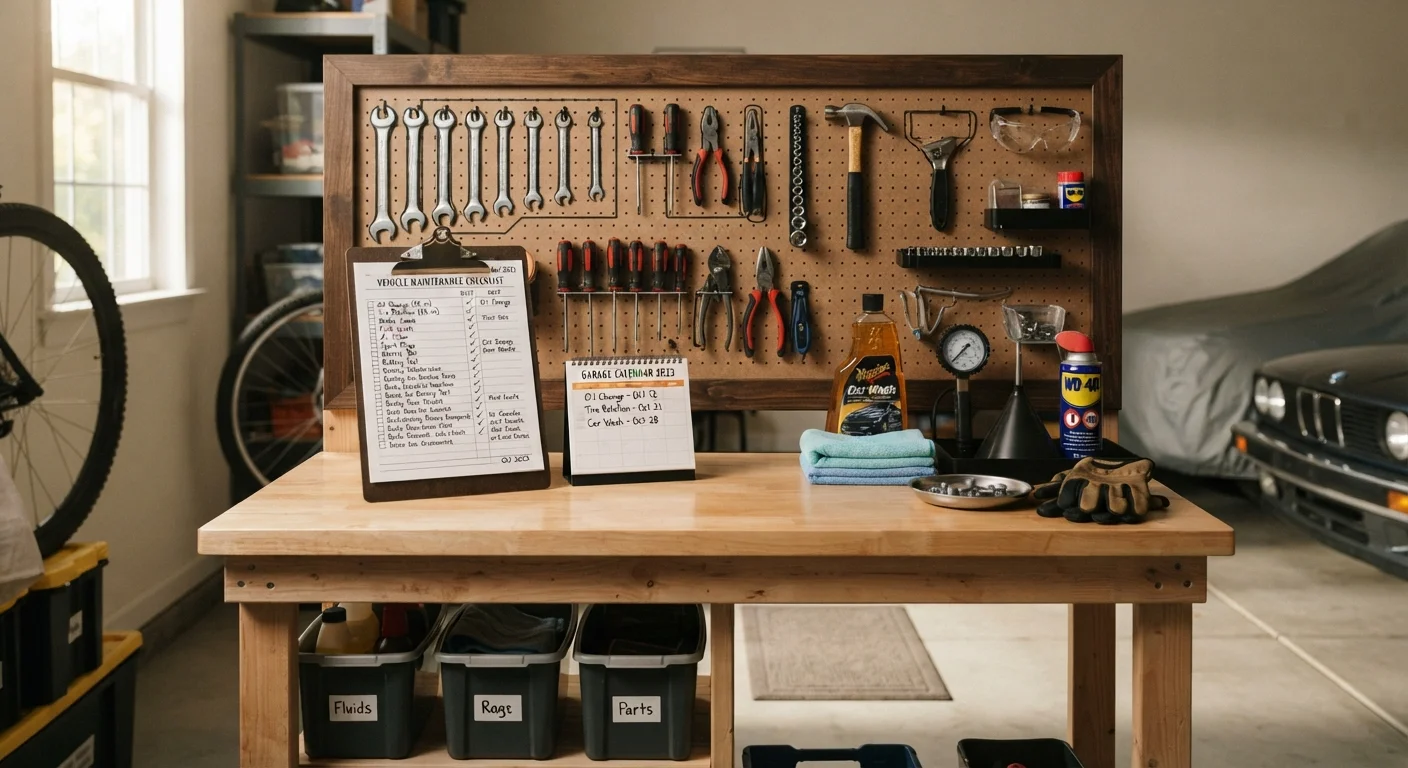
Photo: ScoutAnswers.com | Blogs That Ignite Curiosity editorial
Key Takeaways
- Most maintenance lapses happen due to lack of a system, not lack of intent.
- Grouping tasks by mileage and time intervals makes scheduling straightforward and manageable.
- Your owner's manual is the most reliable source for your specific vehicle's service intervals.
- Keeping a maintenance log protects your warranty and can improve resale value.
- Many routine checks take under five minutes and require no tools.
Why Schedules Fail - and How to Fix That
Most drivers don't skip oil changes or tire rotations because they don't care about their vehicle. They skip them because there's no clear trigger - no built-in reminder, no organized list, no sense of what needs doing when. The result is reactive maintenance: fixing problems after they surface rather than preventing them in the first place.
Building a maintenance routine that actually holds up doesn't require mechanical expertise. It requires a simple framework: knowing what to check, how often, and how to make that cadence feel automatic rather than burdensome. This guide walks through exactly that.
For a broader picture of everything involved in keeping a vehicle roadworthy, see this comprehensive overview covering every major area of vehicle upkeep.
What you will need
What You Actually Need Before You Start
Before setting up any schedule, gather two things: your vehicle's owner's manual and a method for logging service history. The owner's manual contains manufacturer-specified intervals for every service item - and those figures vary meaningfully by make, model, and engine type. Generic advice is a useful starting point, but your manual is the authoritative source for your specific vehicle.
For logging, a dedicated notebook in the glove box works fine. A digital spreadsheet or a free app also works. What matters is consistency, not format. Keeping a maintenance log makes it easier to diagnose problems, verify warranty compliance, and demonstrate service history when selling.
Owner's Manual
Provides manufacturer-specified service intervals tailored to your exact vehicle.
Maintenance Log (Notebook or App)
Records completed services, dates, and mileage to track what's due next.
Tire Pressure Gauge
Allows quick, accurate monthly tire pressure checks at home.
Calendar or Reminder App
Automates recurring reminders so monthly checks don't get forgotten.
Flashlight or Inspection Light
Helps you see clearly under the hood when checking fluids or battery terminals.
How to Build the Schedule Step by Step
The most practical approach is to organize tasks into three tiers: monthly checks you do yourself, mileage-based services handled at a shop or at home, and annual or seasonal reviews. Grouping them this way prevents the mental overload of tracking a dozen unrelated deadlines.
Pull Out Your Owner's Manual and Note the Key Intervals
Open your owner's manual to the maintenance schedule section. Write down the mileage and time-based intervals for oil changes, tire rotations, air and cabin filter replacements, spark plugs, and any drivetrain services specific to your vehicle. These are your primary scheduling anchors - everything else builds around them.
Record Your Vehicle's Current Status
Before building forward, establish where you are right now. Write down today's odometer reading and the date and mileage of your most recent oil change, tire rotation, and any other recent services. If you don't know, check your last shop receipt or look for the sticker inside the driver's door jamb or windshield that many shops apply after service.
Set Up Three Tiers: Monthly, Mileage-Based, and Annual
Organize your tasks into three categories:
- Monthly (self-checks): Tire pressure, fluid levels (oil, coolant, brake fluid, washer fluid), wiper condition, exterior lights.
- Mileage-based (shop or DIY): Oil change, tire rotation, air filter, cabin filter, battery test.
- Annual or seasonal: Brake inspection, belt and hose check, full battery test, seasonal tire swap if applicable.
This tiered structure lets you handle the small stuff consistently without losing track of the bigger-picture services.
Add Reminders to Your Calendar
Set recurring calendar reminders for your monthly self-checks. For mileage-based services, calculate the approximate date you'll hit the target mileage based on how much you drive per month, then set a reminder two weeks in advance. This gives you time to book a shop appointment or gather supplies.
Log Every Service as It's Completed
After every check or service - whether you did it yourself or visited a shop - record the date, odometer reading, and what was done. Keep receipts where possible. This running log becomes invaluable for diagnosing future issues, verifying warranty service, and demonstrating upkeep history to a future buyer.
Review and Adjust the Schedule Every Six Months
Driving patterns change - a new job, a move, or increased highway travel can shift how quickly your vehicle accumulates miles or stress. Every six months, glance at your log, check your odometer against your plan, and adjust upcoming service dates if needed. A schedule that reflects how you actually drive is far more useful than one based on assumptions.
Once your schedule is in place, tie it to existing habits - a monthly check on the first Sunday of the month, for example, or scheduling your oil change the same week as a recurring appointment. Pairing new routines with existing anchors dramatically improves follow-through.
Tasks You Can Handle Yourself vs. Those You Shouldn't
Not every maintenance item requires a mechanic, and not every item is safe to DIY. Fluid level checks - oil, coolant, brake fluid, washer fluid, power steering fluid - are among the easiest self-checks any driver can perform in minutes with no tools. Fluid checks every driver should be comfortable doing covers exactly what to look for under the hood.
Tire pressure, battery terminal condition, and wiper blade replacement are also reasonable DIY tasks for most drivers. Brake inspections, suspension checks, and anything involving the fuel or emissions system are generally best left to a qualified mechanic. For a clear breakdown of where the line falls, this guide on DIY vs. shop maintenance is a useful reference.
Start Simple, Then Add Detail
Seasonal and Mileage Checkpoints to Build In
Beyond the regular monthly checks, two additional structures help round out a complete schedule: seasonal reviews and mileage-triggered services. Seasonal transitions - particularly the shift into winter and out of it - place different demands on tires, batteries, cooling systems, and wipers. Seasonal car maintenance checklists provide a practical guide for what to inspect as conditions change.
Mileage-triggered services typically include oil changes (commonly every 5,000-10,000 miles depending on oil type and vehicle), tire rotations (often every 5,000-7,500 miles), air filter replacements, and spark plug checks. Components like timing belts, brake pads, and batteries have longer natural lifespans but do wear out - understanding the typical lifespan of key parts helps you plan ahead rather than react.
Battery health is one area where proactive monitoring pays off. Reading the early warning signs of battery decline can prevent an inconvenient or unsafe breakdown.
The content on this site is for informational purposes only and is not a substitute for professional advice. Always consult a qualified professional for guidance specific to your situation.