
Seasonal Car Maintenance: What to Check Before Each Season Changes

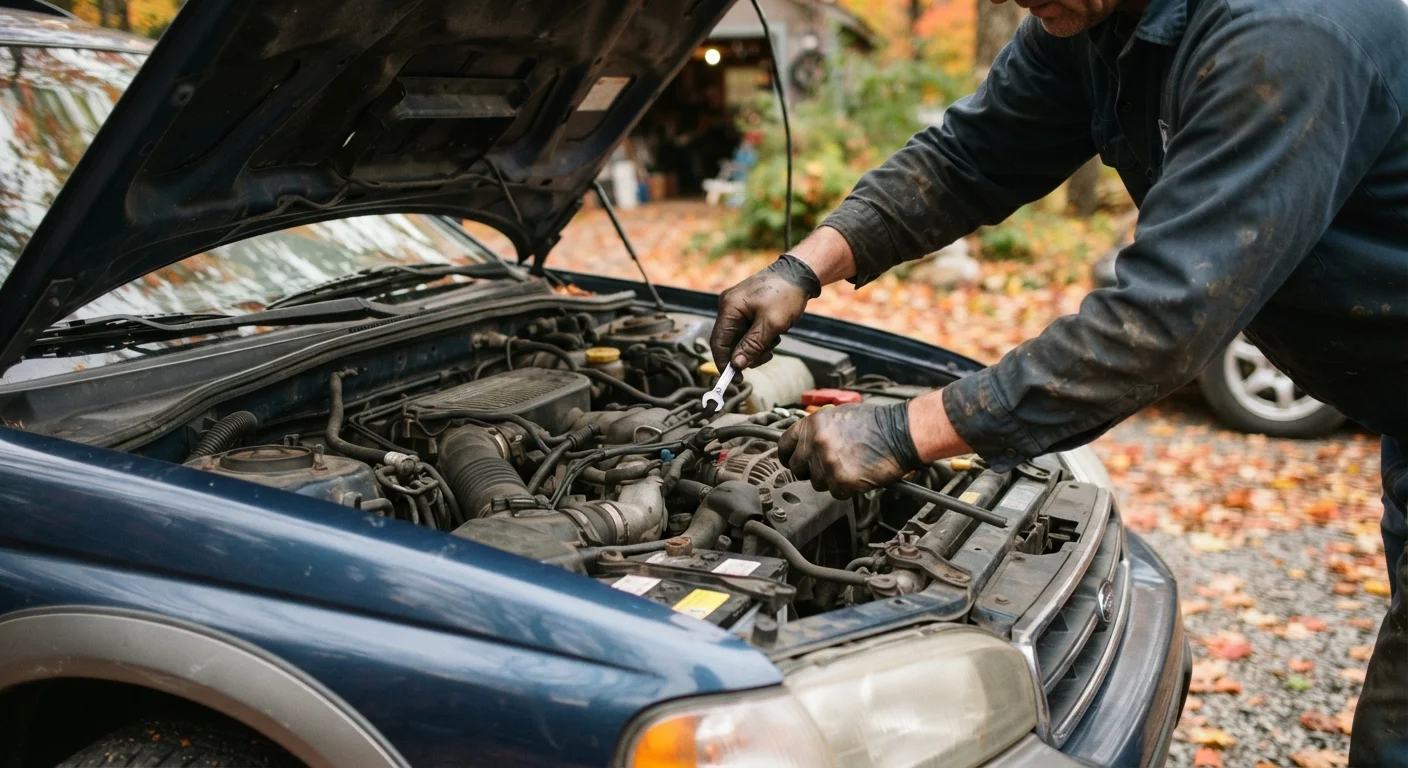
Photo: ScoutAnswers.com | Blogs That Ignite Curiosity editorial
Key Takeaways
- Temperature swings affect tires, batteries, fluids, and brakes - all of which need season-specific attention.
- Many seasonal checks are visual inspections you can do yourself in a driveway.
- Battery health is especially vulnerable at temperature extremes - test it twice a year.
- Switching to season-appropriate tires or tire pressures is one of the highest-impact safety steps a driver can take.
- A consistent seasonal routine helps catch developing problems before they become expensive repairs.
Why Seasonal Checks Matter More Than Most Drivers Realize
Your car operates under very different stresses in July versus January. Rubber degrades differently in heat than in cold. Batteries lose cranking power when temperatures drop. Brake fluid absorbs moisture over time, which lowers its boiling point - a problem that becomes critical during heavy summer use. None of these issues announce themselves loudly; they tend to surface at the worst possible moment.
A structured seasonal inspection addresses these predictable stress points before they become roadside problems. Think of it as meeting your vehicle halfway: the calendar tells you when to look, and this checklist tells you what to look for. For a broader view of keeping your vehicle in reliable shape year-round, see everything involved in keeping a car roadworthy.
Most checks below require no special tools - just good lighting, a tire pressure gauge, and a few minutes of attention. Where a task calls for professional equipment or carries safety risk if done incorrectly, we note when to hand it off to a qualified mechanic.
Tires
Battery
Fluids
Brakes
Lights and Visibility
Belts, Hoses, and Filters
Tools You'll Want on Hand
You don't need a full workshop to work through this checklist. A handful of basic items cover the majority of checks described here.
Tire pressure gauge
Accurately measure tire PSI before adjusting inflation to the manufacturer's recommended level.
Flashlight or work light
Illuminate under the hood, beneath the vehicle, and around tires for a thorough visual inspection.
Penny (coin)
Perform a quick tread depth test to determine whether tires have adequate grip.
Owner's manual
Reference the manufacturer's specifications for fluid types, tire pressures, and service intervals specific to your vehicle.
Nitrile gloves
Protect hands when checking fluids and inspecting belts or hoses.
Maintenance log or notebook
Record what was checked, any findings, and the date - building a history that helps with future diagnosis and resale documentation.
For guidance on which tasks are genuinely DIY-friendly and which are better handled at a shop, DIY car maintenance vs. taking it to a shop breaks down the distinction clearly.
Building This Into a Habit
The most common reason seasonal maintenance gets skipped is the absence of a system - not a lack of interest. Tying your vehicle checks to something you already do at season changes (switching out wardrobes, adjusting your thermostat, clocks changing for daylight saving time) dramatically improves follow-through.
Don't Delay on Battery and Brake Concerns
Keeping a simple log of what you checked and when adds real value over time: it helps a mechanic diagnose issues faster, protects your warranty documentation, and can support a stronger resale price. Keeping a car maintenance log explains exactly how to start one without overcomplicating it. If you'd prefer a broader scheduling framework, building a routine that actually sticks lays out a realistic approach for everyday drivers.
Winter deserves a special mention: cold-weather driving introduces a distinct set of hazards that go beyond what a seasonal check alone can address. Before driving in challenging winter conditions, use this pre-drive winter checklist every cold morning, and review how to adjust your driving in hazardous weather for condition-specific techniques.
The content on this site is for informational purposes only and is not a substitute for professional advice. Always consult a qualified professional for guidance specific to your situation.