
Safe Driving

Before You Pull Out of a Winter Parking Lot: A Pre-Drive Safety Checklist

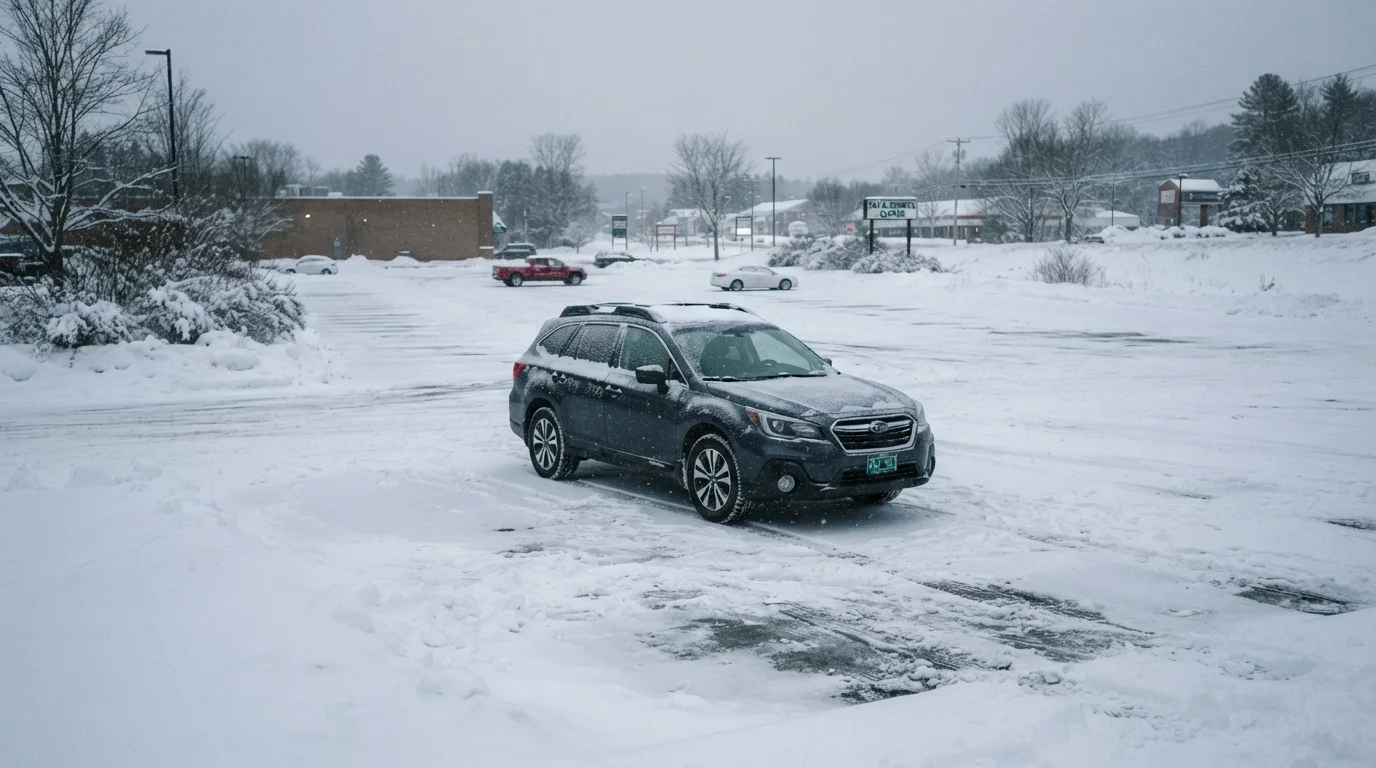
Before You Pull Out of a Winter Parking Lot: A Pre-Drive Safety Checklist

Photo: ScoutAnswers.com | Blogs That Ignite Curiosity editorial

Ice on the roof, fogged mirrors, low tire pressure — a quick check before you drive in winter can prevent a serious incident. Use this checklist every cold morning.

Key Takeaways

  • Snow or ice left on your roof can slide onto other vehicles and create serious road hazards.
  • Cold temperatures cause tire pressure to drop — check PSI before every winter drive.
  • Fogged or iced mirrors reduce your field of vision in ways many drivers underestimate.
  • Warming up your vehicle briefly helps defrost windows and stabilize fluid viscosity in extreme cold.
  • Winter pre-drive checks take under 15 minutes and meaningfully reduce crash risk.

Why a Pre-Drive Check Matters More in Winter

Cold weather changes the physics of driving in ways that build up invisibly before you even leave the parking lot. Tire pressure drops overnight. Moisture refreezes on glass you partially cleared this morning. A thin sheet of ice forms under the vehicle while it sat. None of these problems announce themselves — you discover them on the road, often at the worst moment.

The good news is that a structured 5-to-15-minute check before you pull out addresses the most common winter hazards before they become emergencies. This checklist is designed to be used every time you return to a cold vehicle, not just on the heaviest snow days. As part of broader car maintenance habits, this routine pays dividends all season long.

For a deeper look at how your vehicle's needs shift as temperatures drop, see our guide on seasonal car maintenance checks.

Required

Tire Pressure Gauge

Accurately measures PSI in each tire so you can inflate to the manufacturer's recommended level before driving.

Required

Snow Brush and Ice Scraper (combined)

Removes snow from the roof, hood, and trunk and clears ice from all windows and lights.

Required

Freeze-Rated Windshield Washer Fluid

Prevents the washer reservoir and lines from freezing and ensures visibility during wet, slushy conditions.

Required

Vehicle Emergency Kit

Provides essentials — blanket, jumper cables, flashlight, first aid supplies — if you become stranded in cold weather.

Optional

Portable Tire Inflator

Allows you to inflate an underinflated tire without needing a gas station — especially useful in remote or early-morning situations.

Using This Checklist

Work through the checklist groups in order — exterior clearance first, then tires, then visibility and controls, and finally mechanical checks. This sequence is intentional: clearing the exterior before you start the engine prevents snow from blowing back onto the glass as the defroster warms up, and checking tires while the vehicle is still cold gives you the most accurate pressure reading.

Check Tires Before Every Cold-Weather Drive

Tire pressure is not a once-a-season task in winter. Temperatures fluctuate daily, and each 10°F drop can reduce tire PSI by approximately one pound. Underinflated tires reduce traction, increase braking distance, and raise blowout risk. Get in the habit of a quick pressure check every time you return to a cold vehicle after an extended stop.

Visibility deserves special attention. Even after the defroster runs, side mirrors can remain fogged or iced over. Proper mirror adjustment is a separate skill that pays off year-round — our guide on adjusting mirrors correctly before every drive explains how to eliminate as much blind-spot exposure as possible before you back out.

Never Drive with Snow on Your Roof

Snow and ice left on a vehicle's roof can slide forward onto your windshield during braking or fly back onto the vehicle behind you, creating a serious hazard. Many states have laws that can hold drivers liable for injuries or damage caused by dislodged road debris, including ice from their vehicle. Always clear the full roofline before leaving the parking lot.

Do Not Warm Up Your Car in an Enclosed Space

Running your engine inside a garage — even with the door open — risks carbon monoxide buildup, which is odorless and potentially fatal. Always move the vehicle outside before letting it idle to warm up. If you park in an attached garage, be particularly cautious and keep warm-up time brief.

Exterior Clearance

Remove all snow and ice from the roof, hood, trunk, and all windows before moving the vehicle. Must
Clear all four lights — headlights, taillights, and turn signals — so they are fully visible to other drivers. Must
Brush snow off the side mirrors and confirm both are free of ice buildup. Must
Check that your license plate is visible and not obscured by snow or an ice sheet. Should

Tires and Traction

Check all four tire pressures with a gauge — cold air drops PSI roughly 1 pound for every 10°F decrease in temperature. Must
Visually inspect each tire for obvious damage, flat spots, or ice wedged in the tread. Must
Confirm you have adequate tread depth — a quarter inserted head-first into a tread groove should disappear up to the top of Washington's head for winter driving confidence. Should
If your vehicle uses winter tires, verify they are properly mounted before your first cold-season drive. Must

Visibility and Controls

Run the defroster long enough to fully clear all windows — do not drive with a partially cleared windshield. Must
Adjust your side and rearview mirrors after the vehicle has warmed and condensation has cleared. Must
Test your windshield washer fluid — confirm it sprays and that the fluid is rated for freezing temperatures. Should
Check that wiper blades are not frozen to the glass before switching them on. Must

Mechanical and Safety Checks

Confirm your fuel or charge level is sufficient — plan for longer travel times and the possibility of getting stuck. Must
Check that your brakes respond normally when you apply gentle pressure before exiting the parking lot. Must
Verify that your vehicle's heating system is working and that the cabin reaches a safe temperature. Should
Ensure your emergency kit is in the vehicle — including a blanket, ice scraper, jumper cables, and a flashlight. Should
Check that your phone is charged and that you have a way to contact roadside assistance if needed. Should
Glance at the dashboard for any warning lights that appeared overnight — address them before driving. Must

Once you have completed this checklist and are ready to drive, keep in mind that winter conditions also demand adjusted driving behavior on the road itself. If you are heading somewhere unfamiliar, our article on staying safe on unfamiliar roads covers how to manage new variables alongside winter hazards.

Automotive Editorial Team

ScoutAnswers.com | Blogs That Ignite Curiosity

Automotive Editorial Team is the collective byline for our editorial team and contributor network. Articles published under this byline or an editorial pen name are researched, written, and reviewed according to our editorial standards for clarity, consistency, and independence before publication.

Car MaintenanceBuying & Selling CarsSafe Driving
View author profile

The content on this site is for informational purposes only and is not a substitute for professional advice. Always consult a qualified professional for guidance specific to your situation.