
Driving on Unfamiliar Roads: How to Stay Safe When the Route Is New

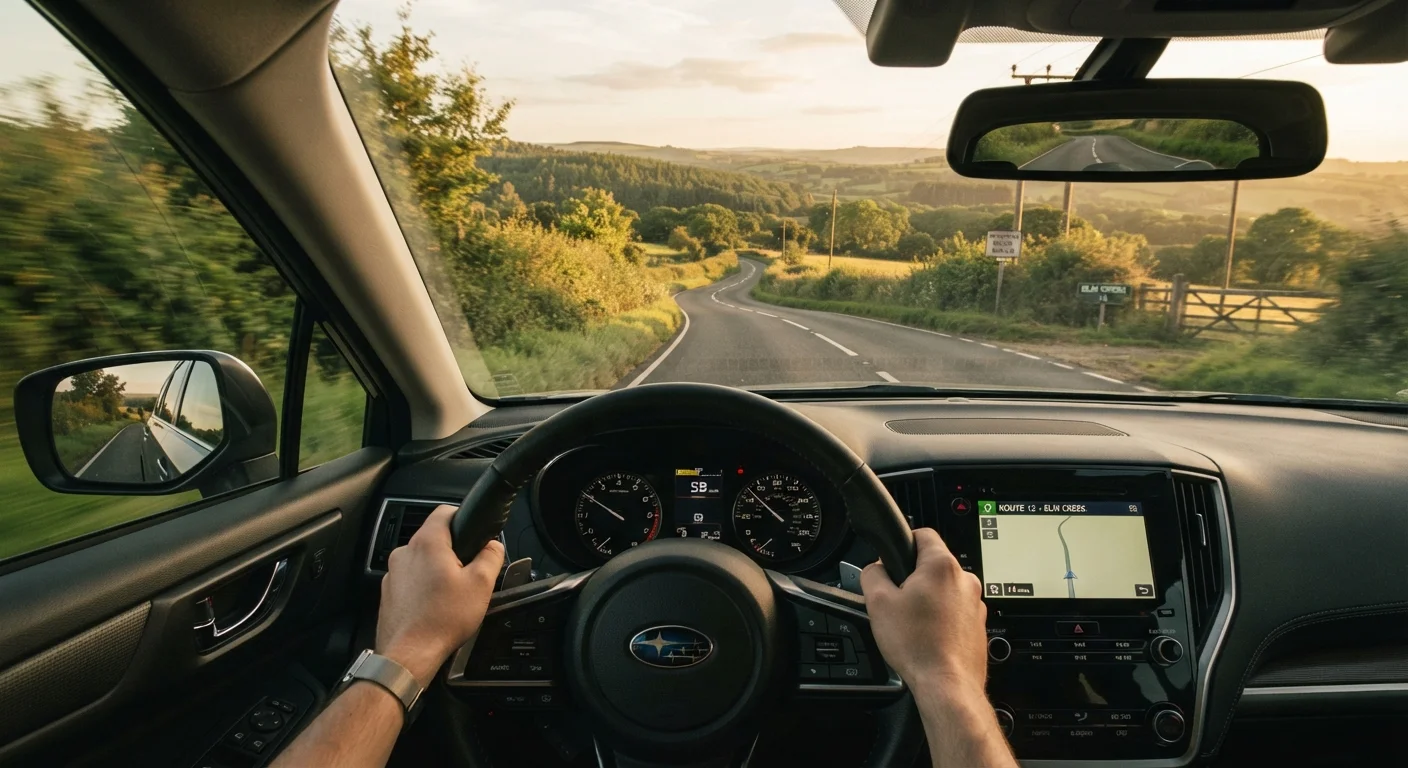
Photo: ScoutAnswers.com | Blogs That Ignite Curiosity editorial
Key Takeaways
- Reviewing the route before you drive reduces decision-making pressure behind the wheel.
- Slowing down on unfamiliar roads gives you more time to react to unexpected conditions.
- Adjusting mirrors and seat position in a rental or borrowed car is a critical first step.
- Navigation audio should complement - not replace - your own visual scanning of the road.
- Fatigue compounds unfamiliarity risk; plan rest stops before you feel tired.
Why Unfamiliar Roads Demand a Different Mindset
Every new route strips away the autopilot advantage that experienced drivers rely on. On roads you know well, your brain anticipates lane shifts, recognizes tricky intersections, and predicts where other drivers will slow down. On unfamiliar roads, that mental shortcut disappears - and the cognitive gap has to be filled with deliberate attention.
Whether you're navigating a rental car through a new city, driving a mountain route for the first time, or exploring a road trip destination, the underlying challenge is the same: your brain is processing more information than usual, and your margin for error narrows. Understanding this dynamic is the first step toward managing it. For drivers who are still building foundational skills, the habits established early in driving become especially important when the environment itself is unpredictable.
Core Practices for Staying Safe on New Routes
The following practices address the specific risks that arise on unfamiliar roads - from route uncertainty and distracted navigation to vehicle unfamiliarity and fatigue. Each one is straightforward to implement and pays dividends in reduced stress and improved reaction time.
Study the route before you leave, not just when you arrive at the wheel.
Reduce your speed below the posted limit when road conditions or visibility are uncertain.
Set up your navigation audio before moving and keep the screen in your peripheral sightline.
Increase your following distance beyond the standard three-second rule.
Pull over safely to reorient rather than navigating while confused.
Check tire condition and fluid levels before any unfamiliar or long-distance drive.
Rental Cars Introduce Extra Variables
Understanding how your vehicle's safety systems behave on new terrain also matters. Features like ABS and stability control respond differently on gravel, steep grades, or tight curves - reviewing what these systems can and cannot do before a long trip is worthwhile. See our breakdown of ABS, traction control, and stability systems for the specifics.
Intersections, Merges, and the Moments That Catch Drivers Off Guard
Unfamiliar roads concentrate risk at decision points: intersections with unusual signal timing, multi-lane merges, roundabouts, and unmarked crossings. These moments are where hesitation and misjudgment tend to cluster.
Intersection safety habits - scanning left-right-left, checking for delayed light runners, and confirming right-of-way before proceeding - matter on home turf, but they're non-negotiable on roads you've never seen. Similarly, understanding the rules around merging and yielding is especially useful when you can't predict traffic flow patterns from prior experience.
If adverse weather is added to the equation, the risk compounds further. Drivers heading into new regions should also be prepared for conditions that differ from home - wet mountain roads, icy rural highways, or dense coastal fog all call for specific technique adjustments covered in condition-by-condition driving guidance.
Planning Makes Unfamiliar Roads Manageable
Much of the stress associated with driving unknown routes stems from things that could have been handled before departure. Route review, vehicle checks, rest scheduling, and mirror adjustment take minutes but reduce the real-time decision burden significantly. For drivers planning longer road trips, the broader logistics of what goes wrong before a trip even starts are worth reviewing as well.
The goal isn't to eliminate uncertainty - unfamiliar roads will always carry more variables than routes you know. The goal is to reduce avoidable surprises so that your attention is available for the ones that can't be anticipated. Applied consistently, these habits make new roads genuinely less daunting without requiring any special equipment or skill beyond what most licensed drivers already have.
This article provides general safe driving guidance and is intended for informational purposes only. Always follow posted traffic laws and consult local regulations, which vary by state and jurisdiction.
The content on this site is for informational purposes only and is not a substitute for professional advice. Always consult a qualified professional for guidance specific to your situation.