
Safe Driving

Merging, Yielding, and Right-of-Way: Rules Drivers Commonly Get Wrong

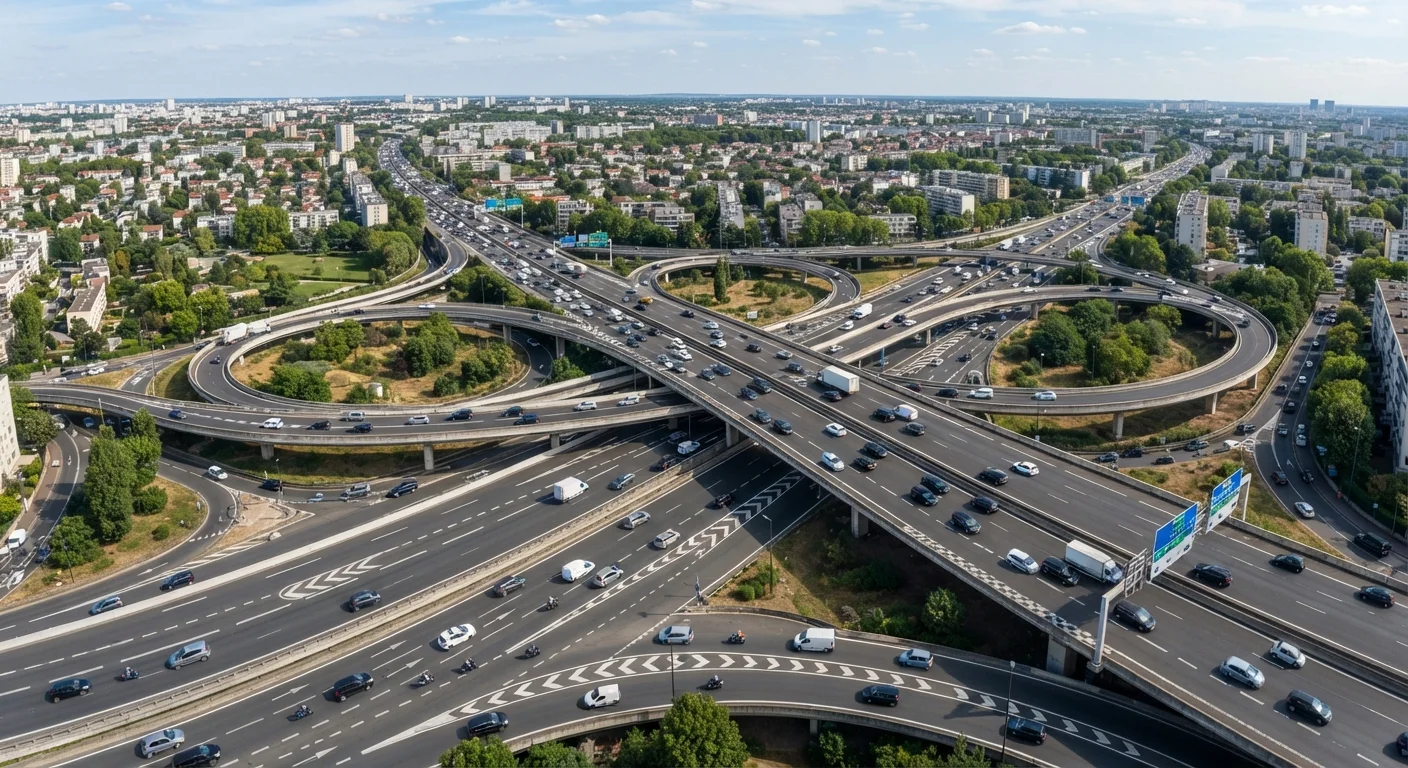
Merging, Yielding, and Right-of-Way: Rules Drivers Commonly Get Wrong

Photo: ScoutAnswers.com | Blogs That Ignite Curiosity editorial

Confusion about who yields where causes thousands of preventable crashes each year. Clarify the rules around merging and right-of-way once and for all.

Key Takeaways

  • The merging driver must yield — but highway traffic should facilitate safe merging when possible.
  • A four-way stop is governed by arrival order, then right-of-way when simultaneous.
  • Yielding does not mean stopping; it means adjusting speed to allow safe passage.
  • Roundabout traffic inside the circle always has priority over entering vehicles.
  • Flashing yellow lights require caution; flashing red lights require a full stop.

Why These Rules Trip Up Experienced Drivers

Right-of-way rules are among the first things covered in driver's education — and among the most frequently misapplied by licensed drivers of all experience levels. The problem isn't usually ignorance of the basics; it's the gap between textbook scenarios and real-world complexity. Ambiguous signage, unfamiliar road geometry, and ingrained bad habits all contribute to dangerous misunderstandings at exactly the moments that demand clarity.

According to the Federal Highway Administration, intersection-related crashes account for a significant share of all traffic fatalities in the United States. Many involve no mechanical failure — just a driver who misread who had the right of way. Understanding the nuances of these rules is one of the most direct ways to reduce your personal crash risk.

For a broader look at high-risk decision points on the road, see our guide to navigating intersections safely.

1

Treating 'merge' as a command to stop at the end of an on-ramp.

Why it happens: Drivers confuse merging with yielding and come to a near-stop at the end of the ramp, creating a dangerous speed differential with highway traffic traveling 60–75 mph.
How to avoid: Use the full length of the on-ramp to match highway speed, then merge smoothly into an available gap. A stopped or slow vehicle at the ramp's end is far more dangerous than a slightly imperfect merge timing.
2

Assuming the car on the right always has right-of-way at a four-way stop.

Why it happens: The 'right-of-way goes to the car on the right' rule applies only when two vehicles arrive simultaneously. Drivers often skip the first rule: the vehicle that arrived first goes first.
How to avoid: At any multi-way stop, pay attention to arrival sequence. Only when arrival is genuinely simultaneous should you defer to the vehicle on your right. When in doubt, make eye contact or use a brief wave to establish order.
3

Failing to yield to vehicles already inside a roundabout.

Why it happens: Roundabouts are still relatively uncommon in many parts of the U.S., and drivers unfamiliar with them default to treating the entry like a standard intersection, pulling in without checking circulating traffic.
How to avoid: Before entering a roundabout, always yield to all vehicles currently traveling within the circle. Enter only when there is a safe gap. Roundabout yield signs apply to entering traffic, not to vehicles already circulating.
4

Treating a flashing yellow light the same as a green light.

Why it happens: Drivers accustomed to standard signal cycles sometimes interpret a flashing yellow as 'proceed normally,' missing the legal requirement to slow down and verify the intersection is clear.
How to avoid: A flashing yellow means proceed with caution — reduce speed and scan for crossing traffic or pedestrians before passing through. A flashing red, by contrast, requires a complete stop before proceeding, just like a stop sign.
5

Assuming a yield sign means always stop.

Why it happens: Many drivers conflate 'yield' with 'stop,' which leads to unnecessary braking that can cause rear-end collisions and traffic backups.
How to avoid: A yield sign requires you to give the right-of-way to oncoming or crossing traffic — but only stop if it's actually necessary to do so safely. If traffic is clear, you may proceed without stopping. The goal is gap management, not automatic stopping.
6

Pulling into an intersection to turn left and blocking cross traffic when the light changes.

Why it happens: Drivers enter the intersection on a green light expecting to complete the left turn quickly, but oncoming traffic doesn't clear in time, leaving them stranded in the box when the light turns red.
How to avoid: Only pull into the intersection if you have a dedicated left-turn arrow or are fully committed to completing the turn before oncoming traffic arrives. If the gap isn't clear, wait behind the stop line and take the next cycle.

Putting the Rules Into Practice

Knowing the rules intellectually is only part of the equation. Applying them consistently under time pressure, in unfamiliar areas, or during high-traffic conditions is where most drivers fall short. Awareness of your surroundings is foundational — and that starts before you leave your driveway. Make sure your mirrors are set correctly every time you drive; proper mirror adjustment eliminates blind spots that cause last-second panic decisions at merges.

Spacing also matters enormously. If you maintain adequate following distance on the highway, you give yourself reaction time to accommodate merging vehicles without hard braking. Following distance at highway speeds is a topic most drivers underestimate — closing that knowledge gap directly supports safer merging behavior.

Aggressive Merging Is a Legal and Safety Risk

Forcing another vehicle to brake hard so you can merge is not the same as merging correctly — it can constitute aggressive driving or reckless operation under many state laws. Beyond the legal exposure, abrupt lane changes at highway speeds give following drivers very little time to react. Signal early, match speed, and merge only when a genuine gap exists.

Right-of-way rules are consistent at the federal guidance level, but some specifics — like roundabout signage requirements or who yields on a narrow mountain road — can vary by state. When driving on unfamiliar roads, slow down and read the environment carefully before assuming you know the local conventions.

Automotive Editorial Team

ScoutAnswers.com | Blogs That Ignite Curiosity

Automotive Editorial Team is the collective byline for our editorial team and contributor network. Articles published under this byline or an editorial pen name are researched, written, and reviewed according to our editorial standards for clarity, consistency, and independence before publication.

Car MaintenanceBuying & Selling CarsSafe Driving
View author profile

The content on this site is for informational purposes only and is not a substitute for professional advice. Always consult a qualified professional for guidance specific to your situation.