
Navigating Intersections Safely: The Moments Most Drivers Underestimate

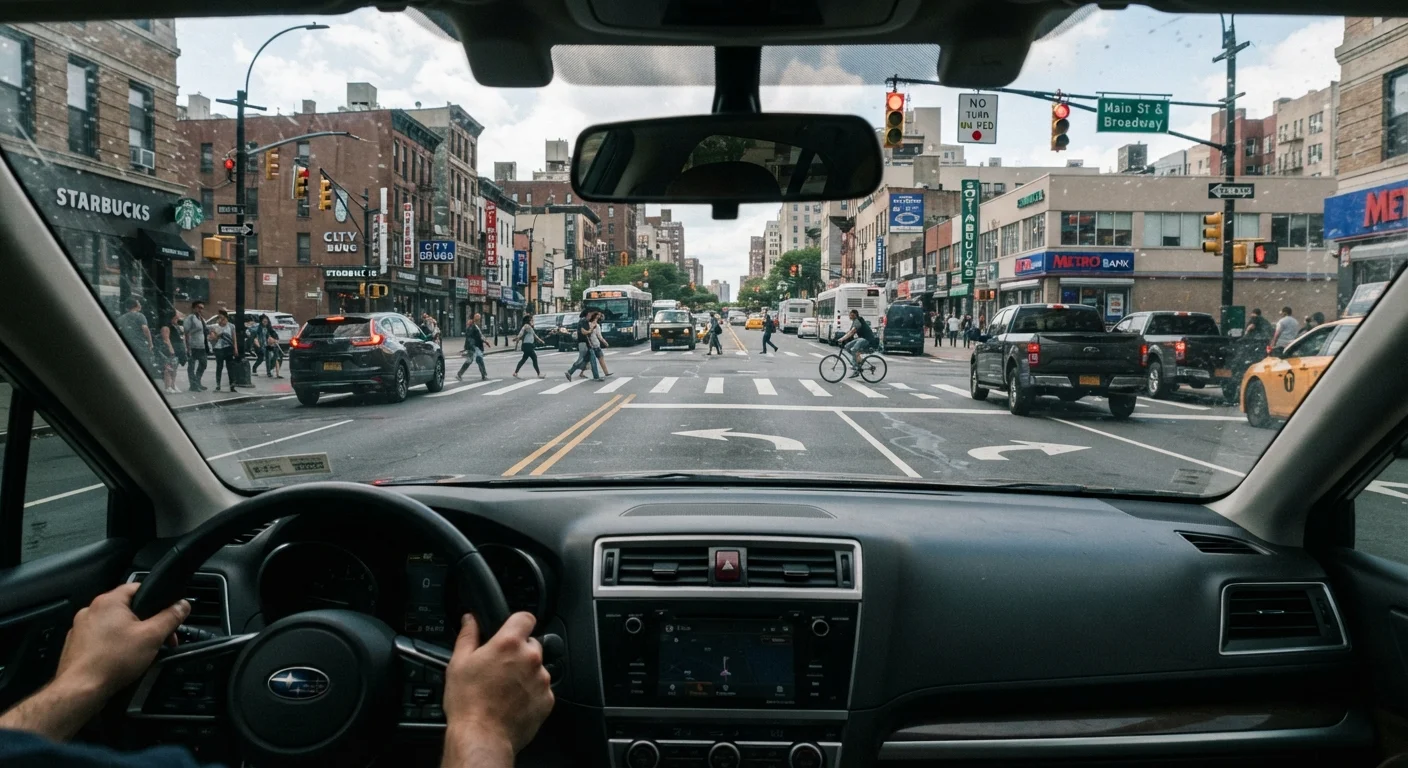
Photo: ScoutAnswers.com | Blogs That Ignite Curiosity editorial
Key Takeaways
- Intersections account for a large share of serious crashes, many caused by driver inattention rather than speed.
- Scanning left-right-left before entering any intersection is a foundational habit that catches approaching hazards.
- Covering the brake - hovering your foot over it - dramatically cuts reaction time at high-risk moments.
- A stale green light (one that has been green a long time) should be treated with extra caution, not confidence.
- Right turns on red, pedestrian conflicts, and left-turn gaps are consistently underestimated danger points.
- Defensive positioning and eye discipline can compensate for other drivers' poor decisions before a collision occurs.
Why Intersections Demand More Attention Than Drivers Give Them
Roughly half of all injury crashes in the United States occur at or near intersections, according to Federal Highway Administration data. Yet most drivers treat intersections as routine pauses rather than the most complex, multi-variable moments of any trip. Vehicles, cyclists, and pedestrians converge from multiple directions, each operating under their own assumptions about who goes next.
The danger isn't primarily speed - it's the collision of competing decisions. A driver turning left misjudges an oncoming gap. A pedestrian steps into the crosswalk assuming the turning SUV has seen them. A driver runs a stale red while another accelerates on a fresh green. These moments don't announce themselves, which is precisely why deliberate habits matter more than instinct at intersections.
Understanding intersection risk is a core part of defensive driving - anticipating conflict before it develops rather than reacting after it appears.
The Habits That Measurably Reduce Intersection Risk
The practices below aren't advanced techniques - they're consistent applications of sound principles that experienced, low-crash drivers use without thinking.
Scan left-right-left before entering every intersection, even on a green light
Cover the brake when approaching any intersection, signalized or not
Treat every yellow light as a stop signal unless stopping safely is impossible
Never move on green until you verify cross traffic has fully stopped
Position your wheels straight while waiting to complete a left turn
Make eye contact with pedestrians and cyclists before proceeding
Right-of-way rules at intersections are frequently misunderstood, particularly at unmarked intersections and multi-lane turn situations. Reviewing the rules around merging and yielding can clarify the scenarios where most confusion - and most conflicts - occur.
Start Today: Quick Intersection Habits Worth Building Now
You don't need a refresher course to improve your intersection safety immediately. These actions are straightforward to implement on your next drive.
Visibility is a key variable that drivers can actively manage. Properly adjusted mirrors reduce the blind spots that make intersection scanning less reliable - see the guide on adjusting your mirrors correctly for a practical walkthrough. And if you're navigating an unfamiliar area, intersections carry added risk: driving on unfamiliar roads requires extra attention to signal timing, lane configurations, and turning conventions that differ by city and state.
The Moments Drivers Routinely Underestimate
Three specific intersection scenarios produce outsized crash risk relative to how casually drivers approach them:
- The stale green light: A green light that has been green for a long time is about to change. Drivers who accelerate toward a stale green are betting that they'll clear before the cross traffic starts moving - often incorrectly. Slowing and preparing to stop when you haven't seen a light change in several seconds is a simple habit with a real payoff.
- Right turn on red: Permitted in most U.S. states unless posted otherwise, right-on-red is frequently executed without a full stop or an adequate left-side scan. Pedestrians in the crosswalk and cyclists in the bike lane are the most common victims of this shortcut.
- Left-turn gap judgment: Left turns across oncoming traffic are among the highest-risk maneuvers in everyday driving. Drivers tend to underestimate the speed of oncoming vehicles and overestimate the size of acceptable gaps. If a gap feels marginal, it usually is.
Left Turns Are Statistically the Riskiest Maneuver
Conditions that reduce visibility - darkness, rain, glare - compound all of these risks. The science behind night driving danger explains how reduced contrast and depth perception specifically affect a driver's ability to judge intersection timing and gap size after dark.
The content on this site is for informational purposes only and is not a substitute for professional advice. Always consult a qualified professional for guidance specific to your situation.