
Defensive Driving vs. Reactive Driving: Understanding the Difference

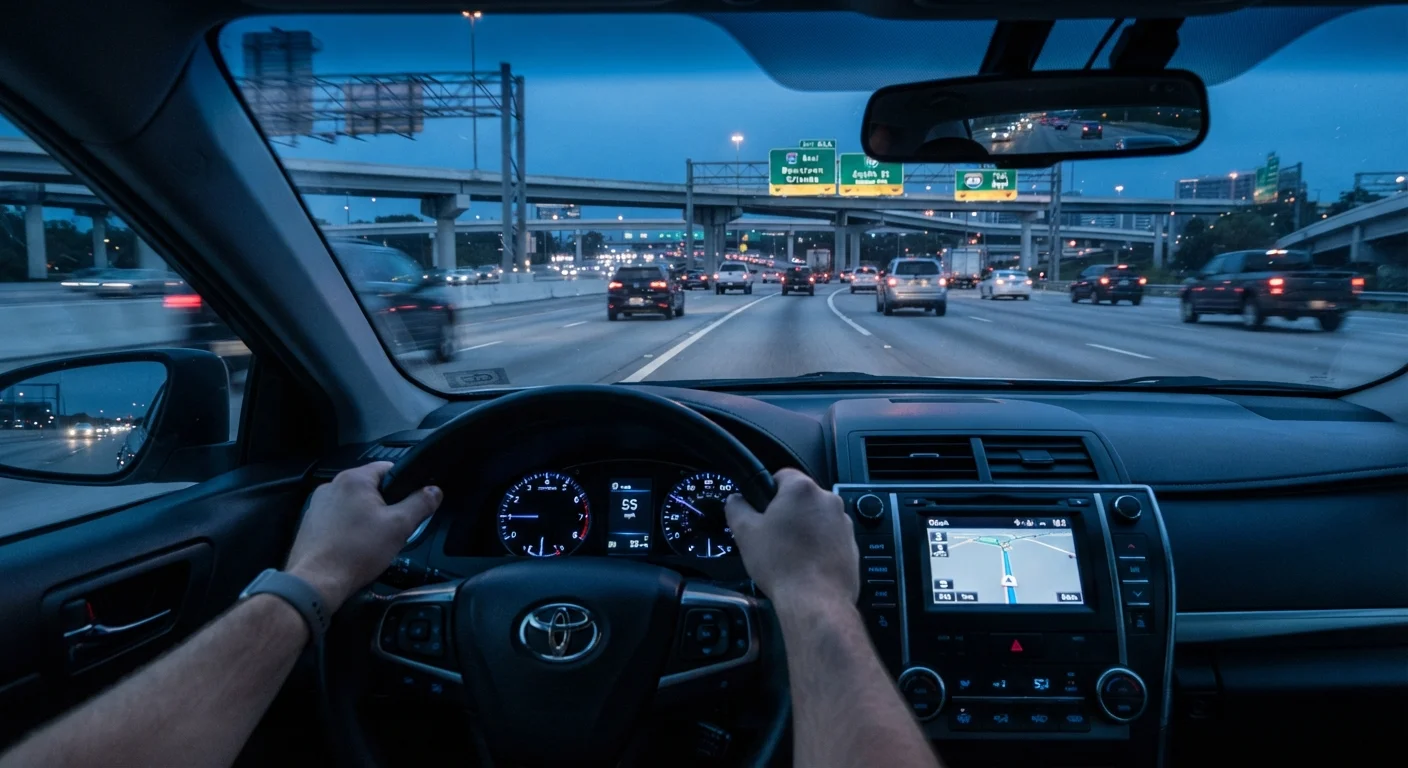
Photo: ScoutAnswers.com | Blogs That Ignite Curiosity editorial
Key Takeaways
- Defensive driving means anticipating hazards before they develop, not just responding to them.
- Reactive driving relies on instinct and real-time response, which leaves less margin for error.
- Scanning the road 12-15 seconds ahead is a foundational defensive driving technique.
- Defensive habits can be learned at any stage of a driving career.
- Environmental factors like night conditions and unfamiliar roads amplify the cost of reactive behavior.
Two Mindsets, One Road
Every driver on the road operates within one of two broad mindsets: they either anticipate what could happen next, or they react to what is happening right now. The first describes defensive driving; the second, reactive driving. The gap between them isn't skill level or driving experience - it's where attention is focused and how far ahead a driver is mentally processing the road.
Reactive driving is the default state for most people. You stop when you see a red light. You swerve when a car suddenly cuts in. You brake when the vehicle ahead slows. None of this is reckless - but it leaves your margin for error entirely dependent on how quickly your body responds, a window that physics can close very fast at highway speeds.
Defensive driving reframes the task. Rather than managing a continuous stream of surprises, a defensive driver works to see hazards forming - and adjusts before they fully materialize.
| Criterion | Defensive Driving | Reactive Driving |
|---|---|---|
| Core orientation | Anticipate hazards before they form | Respond to hazards as they appear |
| Scanning distance | 12-15 seconds ahead | Immediate foreground |
| Following distance | 3+ seconds maintained deliberately | Variable, often traffic-determined |
| Speed in conditions | Adjusted below limit when warranted | Often set to posted limit or traffic flow |
| Assumption about others | Others may make errors; plan for it | Others will behave predictably |
| Fatigue / impairment impact | Reduced but partially buffered by habits | Severely amplified - reaction lag widens |
| Learning curve | Requires deliberate practice to build | Default behavior; no practice needed |
What Defensive Driving Actually Involves
Defensive driving is not timid driving. It doesn't mean driving slowly or refusing to merge. It means maintaining enough awareness and buffer space that you can respond to hazards before they become emergencies. Several concrete techniques define it:
- Extended scanning: Trained defensive drivers aim to scan 12-15 seconds ahead - roughly a city block in urban traffic or a quarter-mile on highways. This gives time to identify developing hazards, like a vehicle stalled in a merge lane, before they demand emergency action.
- Managing following distance: A following distance of at least three seconds (more in poor conditions) creates the reaction time buffer that pure reflexes cannot guarantee.
- Anticipating other drivers' errors: Defensive drivers operate on the assumption that others may brake unexpectedly, change lanes without signaling, or run a late yellow. This isn't pessimism - it's probabilistic thinking that reduces surprise.
- Adjusting to conditions: Speed limits reflect ideal conditions. Defensive drivers reduce speed in rain, fog, or heavy traffic even when legally allowed to do otherwise.
These habits matter even more on roads you don't know well. Our guide on driving safely on unfamiliar roads explains how to apply these principles when the environment itself is a variable.
94%
Crashes with human behavior as a factor
According to NHTSA research, human choice or error contributes to approximately 94% of serious crashes in the United States.
~132 ft
Distance covered during reaction lag at 60 mph
At 60 mph, a vehicle travels approximately 88 feet per second - meaning a 1.5-second reaction lag alone covers 132 feet before braking begins.
3 seconds
Minimum recommended following distance
Most driver safety authorities recommend a minimum three-second following gap under normal conditions, extended in rain, fog, or darkness.
The Hidden Cost of Reactive Driving
Reactive driving isn't inherently dangerous in low-speed or low-density environments. But as speed, traffic complexity, and fatigue increase, its limitations compound. The core problem is reaction lag - the time between perceiving a hazard and completing a physical response (braking, steering) typically spans 1.5 to 2.5 seconds for an alert driver. At 60 mph, a vehicle travels roughly 88 feet per second. That lag alone accounts for 132-220 feet of distance before any braking effect begins.
Reactive driving also interacts poorly with impaired alertness. Drowsy driving significantly extends reaction time, meaning the already-thin margin of pure reaction narrows further. Similarly, nighttime conditions - where fatality rates rise despite lower traffic volume - compress the visual lead time that reaction-based drivers depend on.
Emotional states also affect reactive driving more acutely. Frustration or aggression narrows attention to immediate threats and reduces the scanning behavior defensive drivers rely on. Road rage myths often rationalize exactly this kind of tunnel vision.
Reactive Driving Isn't the Same as Bad Driving
Building the Defensive Mindset Over Time
Defensive driving isn't a fixed skill - it's a practiced orientation. Most drivers can meaningfully shift their approach with deliberate effort over several weeks of conscious practice. Start with one habit: extend your visual scan ahead during every trip. Once that feels automatic, layer in checking mirrors every five to eight seconds. Then practice narrating potential hazards aloud during lower-stakes trips - a technique some driver trainers use to make anticipation explicit before it becomes instinctive.
Formal defensive driving courses, offered through various driver safety organizations and sometimes recognized for insurance or traffic school purposes, provide structured frameworks for this progression. They're particularly valuable for new license holders - research on graduated licensing programs shows that structured early exposure to safe driving norms has lasting effects on crash rates.
The ultimate goal isn't perfection - it's increasing the probability that when something unexpected happens, you've already given yourself room to respond safely.
The content on this site is for informational purposes only and is not a substitute for professional advice. Always consult a qualified professional for guidance specific to your situation.