
DIY Car Maintenance vs. Taking It to a Shop

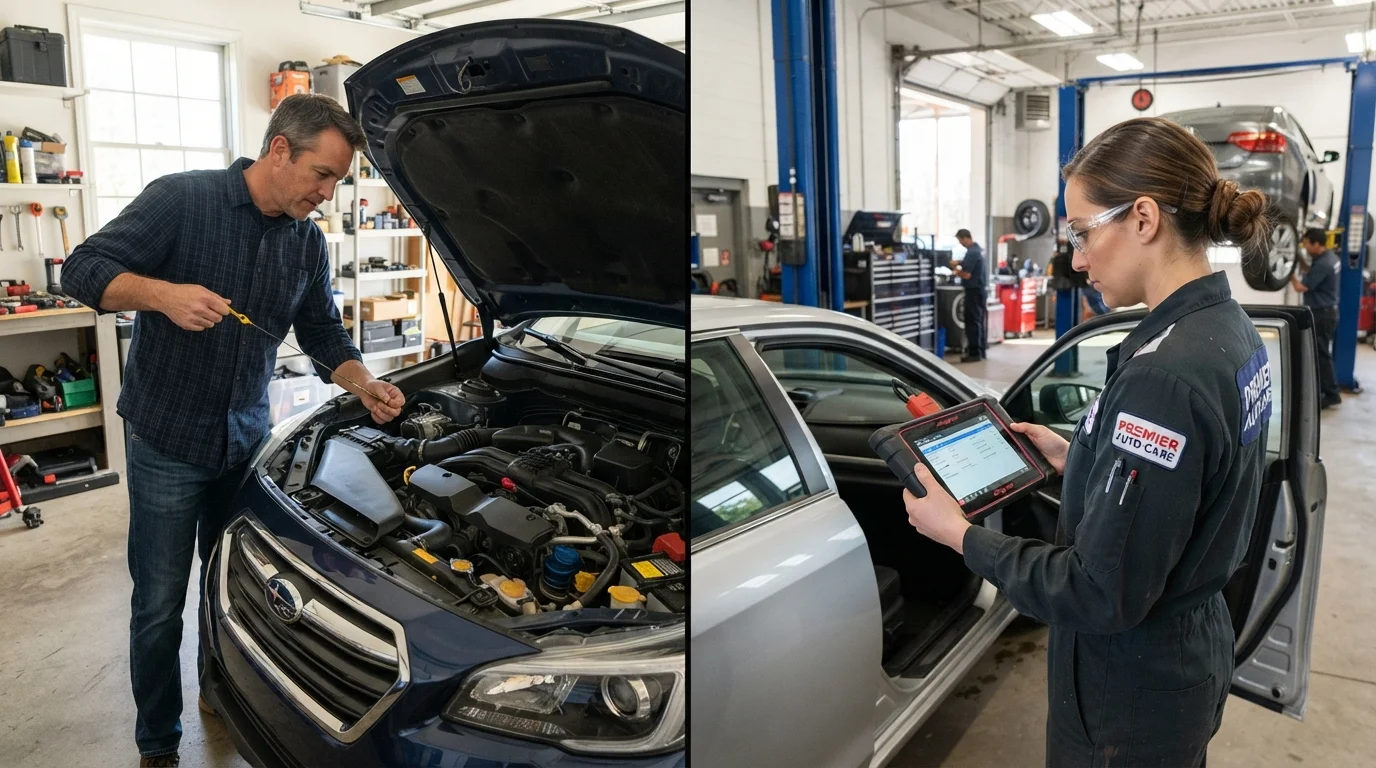
Photo: ScoutAnswers.com | Blogs That Ignite Curiosity editorial
Key Takeaways
- Simple inspections like fluid checks, air filters, and wiper blades are realistic DIY tasks for most drivers.
- Brake system work, suspension repairs, and anything requiring diagnostic software should go to a qualified mechanic.
- A mistake on safety-critical systems can cost far more - in repairs and risk - than a shop visit would have.
- Your owner's manual is the most reliable guide to your specific vehicle's service requirements.
- Keeping a maintenance log helps you track what you've done yourself and what a shop has serviced.
The Case for Doing It Yourself
A meaningful portion of routine car maintenance requires no specialized training and minimal tools. Drivers who take the time to learn these basics can catch problems early, reduce shop visits, and develop a clearer picture of their vehicle's condition over time.
Tasks well-suited to DIY include:
- Fluid level checks - engine oil, coolant, brake fluid, windshield washer fluid, and power steering fluid. Most take under five minutes and require nothing more than opening the hood. See our guide to fluid checks every driver should know for exactly what to look for.
- Engine air filter replacement - typically a matter of unclipping a housing and swapping the filter. Your owner's manual will show the location and replacement interval.
- Wiper blade replacement - straightforward on virtually all vehicles, with clip-on blades designed for self-service.
- Tire pressure checks - a quality gauge and a few minutes at an air pump is all it takes. Correct pressure affects fuel economy, handling, and tire life.
- Battery terminal cleaning - if you see white or bluish corrosion on the terminals, a careful clean with a wire brush and baking soda solution can restore a solid connection.
These tasks become even more manageable when paired with a consistent routine. Our article on building a maintenance schedule that sticks outlines a practical system for staying on top of them.
Start With Your Owner's Manual
When the Shop Is the Right Call
Some jobs look approachable on a video tutorial but carry real consequences if done incorrectly. The threshold for involving a professional mechanic isn't about ego - it's about recognizing which systems are safety-critical and which require tools or expertise that most home garages simply don't have.
Leave these to a qualified mechanic:
- Brake system work - brake pads, rotors, calipers, and brake lines are not the place to learn on the job. An error here has direct consequences for stopping ability.
- Suspension and steering components - worn ball joints, tie rods, or struts affect vehicle control. Improper reassembly can make handling unpredictable.
- Timing belt or chain service - this job requires precise knowledge of your engine's specifications. Errors can cause severe engine damage.
- Diagnostic trouble codes and electronic systems - a check engine light can point to dozens of possible causes. Professional diagnostic equipment and training are needed to interpret them accurately.
- Transmission service - beyond checking fluid level on vehicles where that's accessible, transmission work is highly specialized.
If your vehicle is still under a manufacturer's warranty, confirm what DIY work - if any - is permitted without voiding it. When in doubt, consult a licensed mechanic before proceeding.
Don't Ignore Warning Lights
How to Make the Decision
A useful mental framework: ask yourself two questions before starting any maintenance task.
- What's the consequence if I get this wrong? Improperly installed wiper blades are an inconvenience. Improperly bled brakes are a safety hazard. The stakes dictate the approach.
- Do I have the right tools and a reliable source of instructions? Your owner's manual is the most accurate source for your specific vehicle - more reliable than generic online guides that may not match your make, model, or year.
It's also worth considering whether a task is part of a broader seasonal check. Our seasonal car maintenance checklist groups common inspection points by time of year, making it easier to batch DIY tasks efficiently.
Whatever combination of DIY and professional service you use, keeping a written maintenance log ensures nothing falls through the cracks - and gives any mechanic you do visit a clear picture of your vehicle's history.
For a broader view of everything involved in keeping a vehicle in safe, reliable condition, see our comprehensive guide on everything involved in keeping a car roadworthy.
Comparing DIY vs. Professional Service
The table below summarizes how DIY and professional service compare across key practical dimensions.
| DIY Maintenance | Professional Shop | |
|---|---|---|
| Upfront cost | Lower (tools + parts only) | Higher (includes labor) |
| Suitable tasks | Fluid checks, filters, wipers, tires | Brakes, suspension, diagnostics, transmission |
| Tools required | Basic hand tools for most tasks | Specialized equipment provided by shop |
| Risk if done incorrectly | Low to moderate depending on task | Qualified mechanic reduces error risk |
| Time investment | Variable; requires learning curve | Faster for complex jobs |
| Warranty implications | May affect warranty on newer vehicles | Typically safe for warranty compliance |
The right approach for any given driver will depend on their comfort level, available time, and the specific task at hand. Neither approach is universally superior - the goal is matching the method to the job.
The content on this site is for informational purposes only and is not a substitute for professional advice. Always consult a qualified professional for guidance specific to your situation.