
Brake Wear: The Signs That Are Easy to Miss Until It's Too Late

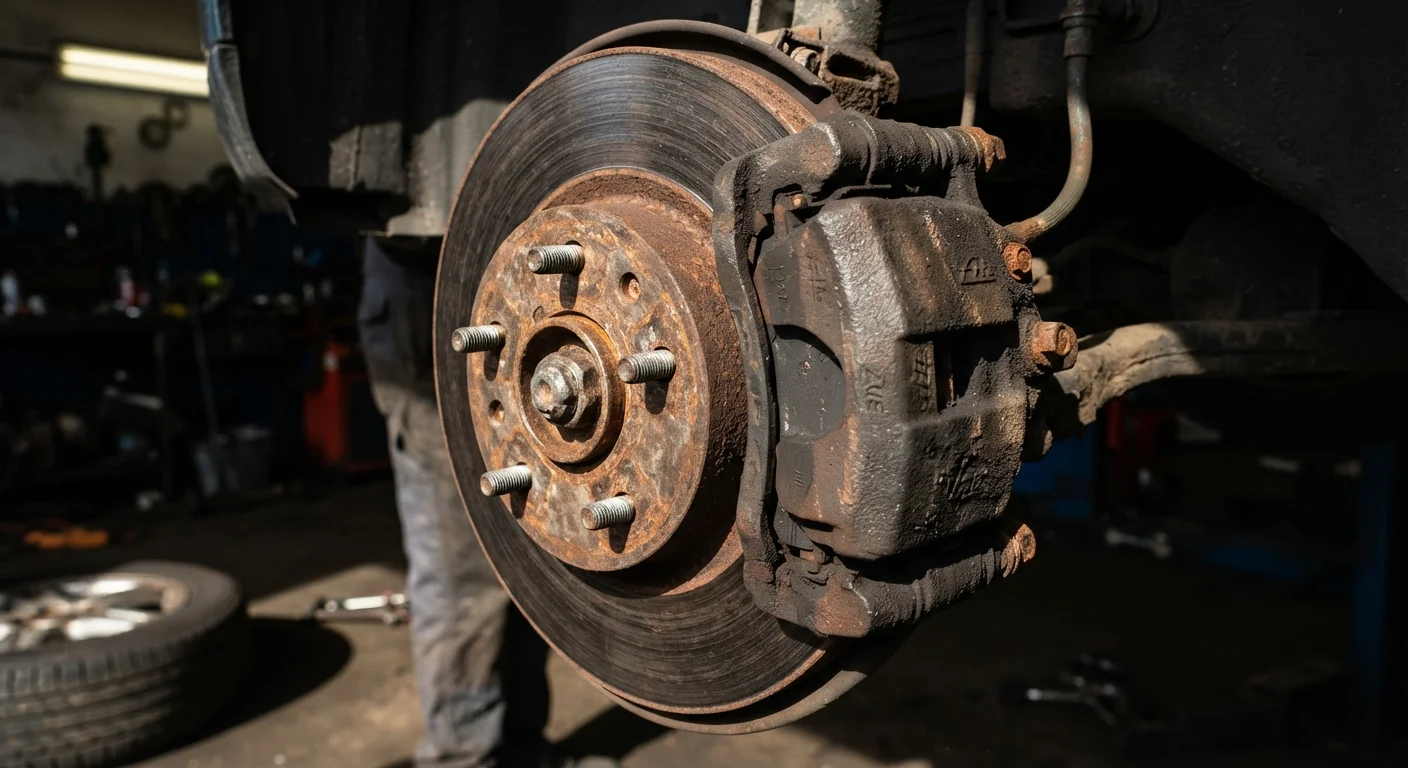
Photo: ScoutAnswers.com | Blogs That Ignite Curiosity editorial
Key Takeaways
- Squealing, grinding, and pulsating pedals are warning signs that should never be ignored.
- Many drivers unknowingly delay brake inspections by dismissing early symptoms as minor nuisances.
- Brake fluid condition directly affects stopping power - checking it costs nothing and takes minutes.
- A qualified mechanic should inspect brakes at least once a year, or sooner if warning signs appear.
- Catching brake wear early is almost always cheaper and safer than waiting for complete failure.
Why Brake Warning Signs Get Ignored
Brakes deteriorate gradually. That slow decline is precisely what makes it easy to rationalize symptoms - a faint squeal becomes background noise, a slightly soft pedal feels normal after a few weeks. By the time a driver recognizes a genuine problem, significant wear has often already occurred.
Understanding which signs matter - and why they appear - gives everyday drivers a real advantage. Brake systems communicate wear through sound, feel, and sight. Learning to interpret those signals correctly is the first step toward staying safe. For a broader look at how your vehicle alerts you to problems, see our guide on reading dashboard warning lights.
Dismissing a high-pitched squealing noise as temporary or weather-related.
Waiting until a grinding noise appears before seeking an inspection.
Ignoring a soft, spongy, or low-feeling brake pedal.
Overlooking vibration or pulsation through the brake pedal or steering wheel.
Skipping visual checks of brake pad thickness through the wheel spokes.
Assuming the brake warning light only illuminates when brakes fail completely.
How These Mistakes Compound Over Time
Each ignored symptom typically accelerates the next. A worn brake pad that isn't replaced begins scoring the rotor - turning a pad-only replacement into a more involved repair. A low brake fluid level that goes unchecked may indicate a leak in the system, which is a safety-critical issue, not a cosmetic one. Our article on brake fluid and other essential fluid checks walks through exactly what to look for under the hood.
~⅓
Vehicles with inadequate brakes during roadside inspections
Federal Motor Carrier Safety Administration data consistently shows brake-related violations are among the most common issues flagged during commercial vehicle inspections, reflecting how widespread brake neglect is.
3mm
Minimum safe brake pad thickness
Most automotive manufacturers and safety organizations recommend replacing brake pads at or before 3mm of remaining pad material to maintain reliable stopping performance.
Driving habits also matter. Riding the brakes downhill, late hard stops, and carrying excess vehicle weight all accelerate pad and rotor wear beyond what a normal service interval anticipates. The habits that quietly shorten your car's life often show up first in the braking system.
Do Not Delay If Braking Feels Unsafe
If you are evaluating a used vehicle, brake wear is one of the most important systems to inspect. Sellers rarely volunteer information about worn components - knowing the signs yourself is essential. Our guide to red flags when buying a used car covers this and more.
For anyone focused on safe driving practices overall, keeping brakes in reliable condition is foundational - reaction time means nothing if stopping distance has been compromised by worn components.
The content on this site is for informational purposes only and is not a substitute for professional advice. Always consult a qualified professional for guidance specific to your situation.