
Habits That Quietly Shorten Your Car's Life

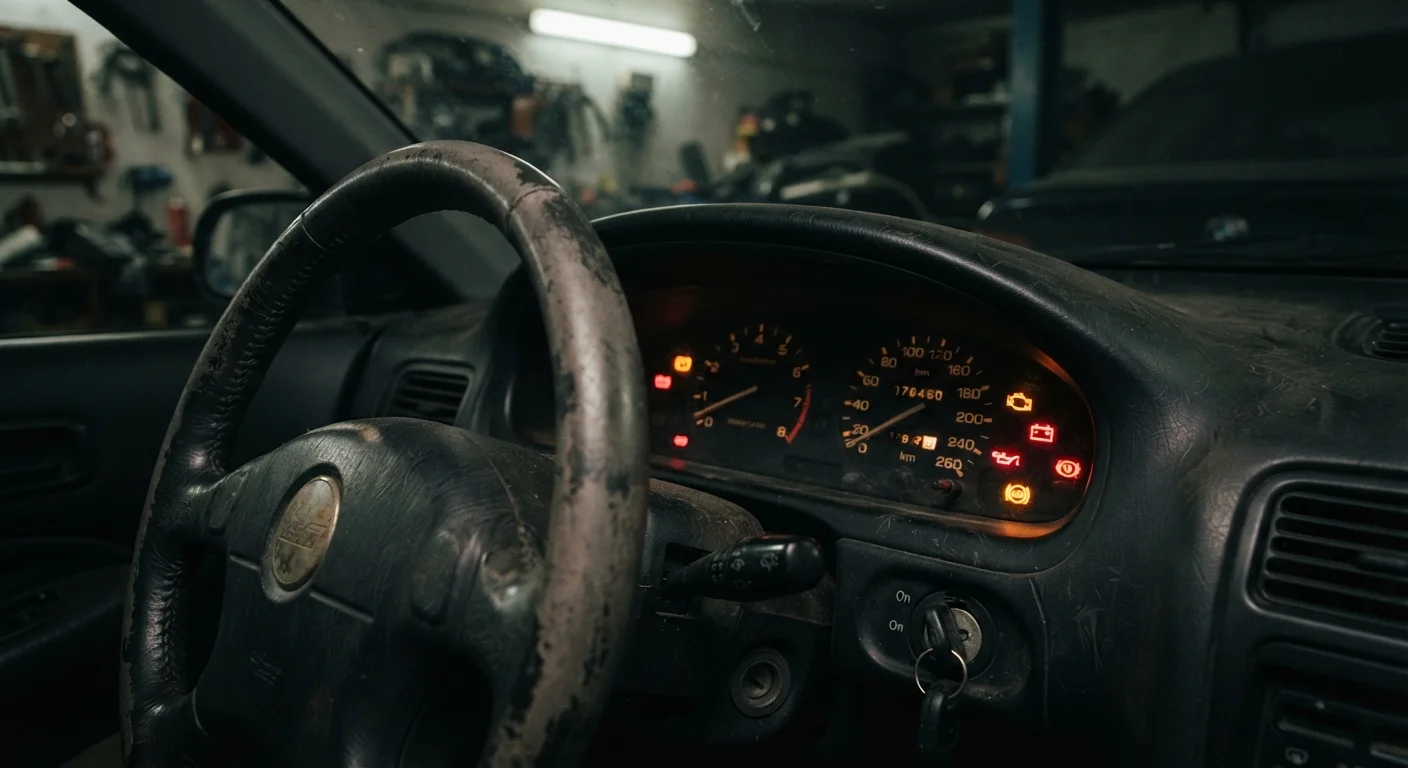
Photo: ScoutAnswers.com | Blogs That Ignite Curiosity editorial
Key Takeaways
- Aggressive acceleration and hard braking accelerate wear on multiple expensive components simultaneously.
- Letting the fuel level drop too low can damage the fuel pump over time.
- Skipping the parking brake on automatic vehicles strains the transmission's parking pawl.
- Short trips that don't fully warm the engine contribute to moisture buildup and premature wear.
- Riding the brakes downhill overheats brake components and reduces stopping effectiveness.
The damage you don't notice until it's expensive
Most vehicle wear doesn't happen in a single dramatic moment. It accumulates gradually through everyday driving decisions that seem harmless in isolation. The habits below are common across all experience levels - and most drivers have at least one of them without realizing it. Catching them early is straightforward; the cost of not catching them rarely is.
Component lifespans vary by vehicle and use
Seven habits worth reconsidering
Aggressive acceleration from a stop
Flooring the accelerator the moment a light turns green feels satisfying, but the forces involved put significant stress on your drivetrain - the system of components that transfers engine power to your wheels. Tires spin against the pavement with high friction, the transmission is forced to shift rapidly under load, and engine mounts absorb unusual torque. Over time, this habit wears down tires unevenly, stresses CV axles (the joints that allow powered wheels to turn and articulate), and can loosen or crack engine mounts. Smoother, progressive acceleration keeps all those parts working within their design tolerances.
Flooring it from a stop stresses your drivetrain, tires, and engine mounts simultaneously.
Riding the brakes on long descents
Applying constant, light brake pressure on a long downhill stretch - rather than controlled, intermittent braking - generates sustained heat that brake fluid, rotors, and pads are not designed to handle continuously. The result is brake fade, a temporary but dangerous reduction in stopping power caused by overheated components. Repeated episodes also warp rotors and glaze brake pads, both of which require earlier replacement. Engine braking - downshifting to use the engine's resistance to slow the vehicle - is the appropriate technique for extended grades. For more detail on what brake wear looks and feels like, see early brake wear warning signs.
Constant light braking on hills overheats components and can cause dangerous brake fade.
Skipping the parking brake on automatics
Many drivers with automatic transmissions leave the vehicle in Park and skip the parking brake entirely. The problem: Park relies on a small pin called the parking pawl to lock the transmission output shaft. When you park on any incline - even a gentle one - the full weight of the vehicle rests on that single pin. Over years of use, this can wear or crack the parking pawl, leading to a costly transmission repair. The parking brake is designed to hold the vehicle stationary; engage it before moving the selector to Park so the pawl takes minimal load.
The parking pawl is a small pin - not a substitute for your parking brake on any incline.
Running on a near-empty fuel tank
Fuel does more than power the engine - in most modern vehicles, it also cools and lubricates the electric fuel pump, which sits submerged inside the gas tank. Running consistently on fumes means the pump works with less cooling and must work harder to draw remaining fuel. Sediment that settles at the bottom of the tank can also be drawn into the pump and fuel filter. Keeping the tank above one-quarter full is a simple habit that extends fuel pump life and reduces the risk of an inconvenient, and expensive, roadside failure.
Your fuel pump depends on gasoline for cooling - running near-empty shortens its lifespan.
Taking only very short trips
A two-minute drive to a corner store barely allows the engine to reach operating temperature. Cold engines run rich (using more fuel relative to air), produce more combustion byproducts, and allow moisture to accumulate in the oil. When the engine never fully warms up, that moisture never burns off, leading to oil contamination and accelerated corrosion inside the engine. Battery health also suffers - short trips may drain more power starting the car than the alternator can replenish. If short-trip driving is unavoidable, combining errands into longer drives and adhering to a mileage- or time-based oil change schedule (rather than purely mileage-based) can help. See our guide to building a car maintenance schedule for a practical framework.
Short trips prevent the engine from reaching temperature, allowing moisture and wear to accumulate.
Ignoring warning lights until something breaks
Dashboard warning lights are the vehicle's communication system - not decorative. A check engine light can indicate anything from a loose gas cap to a misfiring cylinder, but leaving it unread means a minor issue can develop into a serious one. The low tire pressure warning, for example, signals a condition that affects fuel economy, handling, and tire longevity simultaneously. Understanding what your vehicle is telling you is foundational to preventing avoidable damage. Your owner's manual is the first reference point; what the owner's manual is actually trying to tell you explains which sections are most useful for everyday drivers.
Ignoring a warning light is rarely free - small problems become expensive when left unaddressed.
Neglecting tire pressure
Tire pressure affects far more than ride comfort. Underinflated tires flex excessively, building heat that degrades the rubber structure and can cause blowouts. They also create more rolling resistance, reducing fuel efficiency. Overinflated tires, by contrast, wear rapidly in the center of the tread and provide less grip in emergency maneuvers. Neither extreme is safe or economical. Pressure should be checked monthly and before long trips, using a reliable gauge - not the pump gauge at a gas station, which can be inaccurate. For a full breakdown of how pressure impacts safety and cost, see tire pressure and why getting it wrong costs you.
Both under- and over-inflation damage tires and compromise safety in ways that compound over time.
Build awareness before changing habits
Small changes, real results
None of these habits require special equipment or mechanical knowledge to change - just awareness and repetition. Smoother inputs, attentive gauges, and a consistent maintenance rhythm are habits that protect the investment a vehicle represents. For drivers building stronger habits from the ground up, the principles covered in safe driving for new license holders apply equally well to experienced drivers looking to reset ingrained patterns.
The content on this site is for informational purposes only and is not a substitute for professional advice. Always consult a qualified professional for guidance specific to your situation.