
Engine Oil Explained: What It Does and Why It Matters

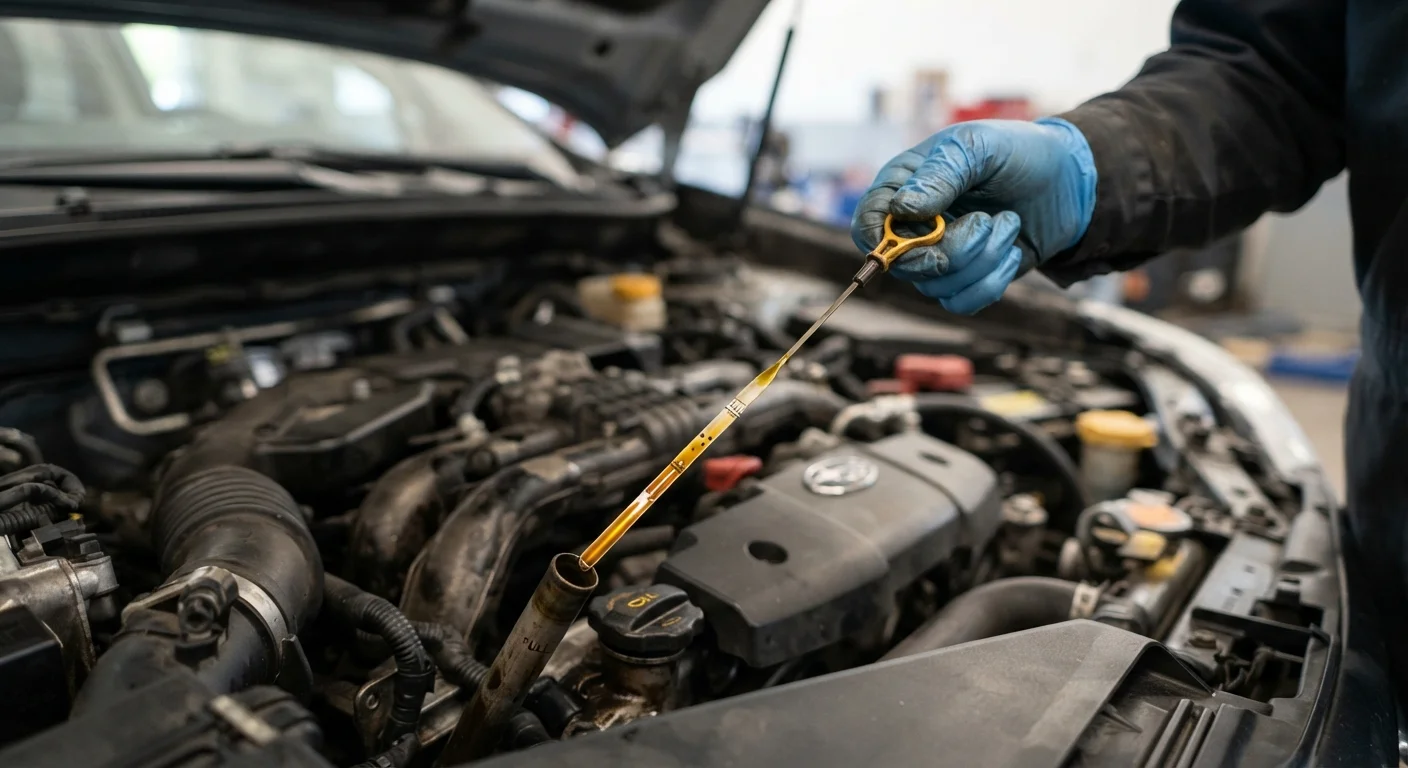
Photo: ScoutAnswers.com | Blogs That Ignite Curiosity editorial
Key Takeaways
- Engine oil does five jobs at once: lubricate, clean, cool, protect, and seal internal components.
- Running an engine low on oil - or with degraded oil - can cause severe, costly damage.
- Your owner's manual specifies the correct oil type and change interval for your vehicle.
- Oil viscosity grades like 5W-30 tell you how the oil flows in cold and hot conditions.
- Regular dipstick checks between oil changes help catch problems before they escalate.
The Five Jobs Engine Oil Performs
Most drivers know engine oil lubricates moving parts - but that's only the beginning. Motor oil performs five distinct functions simultaneously, each critical to engine health.
- Lubrication: Oil forms a thin film between metal surfaces - pistons, crankshaft bearings, camshafts - preventing direct metal-to-metal contact that would cause rapid wear.
- Cooling: Coolant handles the bulk of engine heat, but oil absorbs and dissipates heat from areas coolant can't reach, such as piston undersides and valve train components.
- Cleaning: Detergent additives in modern oil pick up microscopic particles, combustion byproducts, and sludge, suspending them until they're captured by the oil filter.
- Protection from corrosion: Oil contains anti-corrosion additives that coat metal surfaces, shielding them from acidic combustion gases and moisture that accumulate inside the engine.
- Sealing: Oil helps maintain the seal between piston rings and cylinder walls, contributing to compression efficiency and reducing blow-by gases.
These roles work together. When oil degrades, it loses effectiveness across all five functions at once - not just one.
5 min
Time before oil-starved engine can suffer damage
Automotive engineers note that an engine running without oil can sustain serious internal damage within minutes of oil pressure loss.
~7,500-10,000 mi
Typical synthetic oil change interval
Many modern vehicles using full synthetic oil have manufacturer-recommended intervals in this range, though your owner's manual is the authoritative source.
Up to 25%
Friction increase from degraded oil
Research into engine tribology indicates that significantly degraded oil can allow substantially more internal friction, raising fuel consumption and wear rates.
Understanding Oil Viscosity Grades
Oil viscosity - how thick or thin the oil is - directly affects how well it flows and protects under different temperatures. The Society of Automotive Engineers (SAE) developed a standardized grading system you've likely seen on oil bottles: ratings like 5W-30 or 0W-20.
The number before the "W" (which stands for winter) indicates the oil's flow characteristics in cold conditions. A lower number means the oil flows more freely at startup in cold weather, reaching critical components faster. The number after the "W" reflects the oil's viscosity at normal operating temperature - a higher number indicates a thicker oil that maintains its protective film under heat and load.
Using the wrong viscosity for your engine - even slightly - can mean inadequate lubrication at startup or insufficient film strength at high temperatures. Your owner's manual specifies exactly which grade your engine requires. Follow it rather than relying on general advice.
Always Start With Your Owner's Manual
What Happens When Oil Is Neglected
Oil doesn't stay effective indefinitely. Over time and miles, heat, combustion gases, and accumulated contaminants break down the oil's base stock and deplete its additive package. The result is oil that's thicker, less fluid, and far less capable of doing its job.
Neglected oil leads to a chain of problems:
- Sludge formation: Degraded oil mixed with contaminants forms a thick, gel-like deposit that can block oil passages and starve components of lubrication.
- Accelerated wear: Without adequate lubrication, friction increases, wearing down bearings, camshafts, and cylinder walls more rapidly than normal.
- Overheating: Compromised oil transfers heat less effectively, contributing to elevated engine temperatures.
- Reduced fuel economy: Higher internal friction means the engine works harder to produce the same output, consuming more fuel.
Routine oil checks and timely changes are straightforward preventive measures. For a broader view of what keeping a vehicle roadworthy involves, see our guide on comprehensive vehicle upkeep.
Choosing the Right Oil and Change Interval
The correct oil for your vehicle isn't determined by what's on sale or what a quick-lube shop recommends - it's determined by your engine's design and the manufacturer's specifications. Key considerations include viscosity grade, whether the engine is designed for synthetic or conventional oil, and your typical driving conditions.
Severe driving conditions - frequent short trips, extreme temperatures, towing, or stop-and-go traffic - can degrade oil faster than highway driving. Some manufacturers include a separate severe-duty service interval for these situations.
If you're weighing the difference between oil types, our article on synthetic vs. conventional oil covers the practical tradeoffs in plain terms. And if you've ever wondered whether the 3,000-mile rule still applies, the oil change myths article addresses that directly.
Between changes, check your oil level with the dipstick every few weeks - it takes under two minutes and gives you early warning of leaks or consumption issues before they become expensive problems.
Frequently Asked Questions
The content on this site is for informational purposes only and is not a substitute for professional advice. Always consult a qualified professional for guidance specific to your situation.