
Everything Involved in Keeping a Car Roadworthy

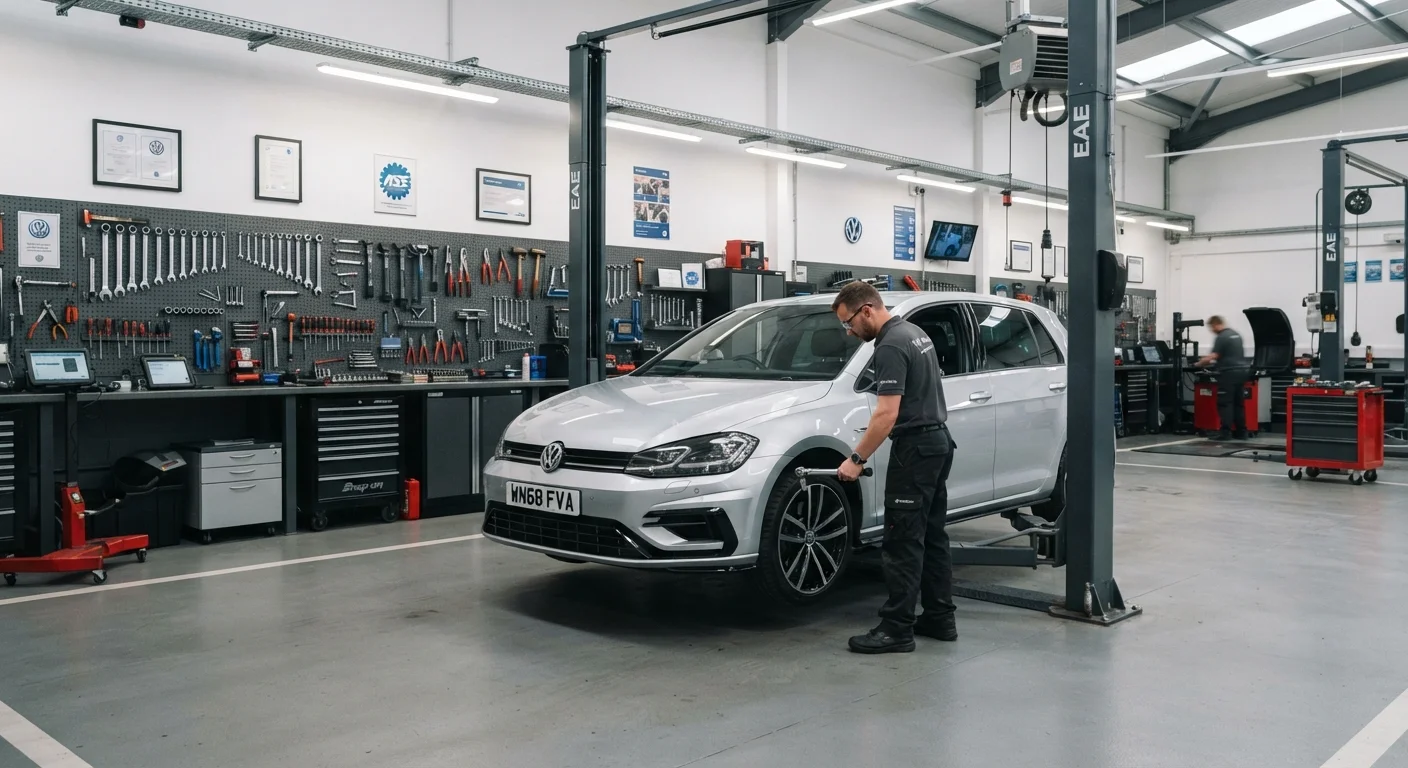
Photo: ScoutAnswers.com | Blogs That Ignite Curiosity editorial
Key Takeaways
- Regular fluid checks - oil, coolant, brake fluid - prevent the majority of avoidable breakdowns.
- Tire pressure and tread depth directly affect both fuel economy and stopping distance.
- Brake and suspension wear is cumulative; catching it early prevents costlier repairs later.
- A simple maintenance log can protect your warranty and improve resale value.
- Some tasks are safely DIY; others require a qualified mechanic - knowing the difference matters.
Why Roadworthiness Is More Than Passing an Inspection
A roadworthy vehicle is not simply one that cleared its last state inspection. It is a vehicle whose systems - engine, brakes, tires, lights, steering - are all functioning within safe operating parameters on any given day. The gap between those two definitions is where most preventable breakdowns, costly repairs, and safety risks live.
Routine maintenance is the discipline that closes that gap. It is not about perfection; it is about consistency. Drivers who understand what their vehicle needs, and when, spend less over time and avoid the kind of sudden failures that happen at the worst possible moments. Whether you handle tasks yourself or rely on a trusted shop, the knowledge base is the same - and this guide covers it end to end.
State Inspection Requirements Vary
Engine and Fluid Maintenance
The engine is the most complex and expensive system in your vehicle, and fluids are its lifeblood. Keeping them clean and at proper levels is the highest-leverage habit any driver can build.
- Motor oil: Lubricates engine components and carries heat away from moving parts. Most modern vehicles with full synthetic oil require changes every 5,000-7,500 miles, though some manufacturers specify up to 10,000 miles. Always check your owner's manual.
- Coolant (antifreeze): Regulates engine temperature. Check the reservoir level monthly and inspect for discoloration or debris.
- Transmission fluid: Keeps the transmission shifting smoothly. Many automatic transmissions require a fluid change every 30,000-60,000 miles; consult your manual.
- Brake fluid: A hydraulic fluid that transfers force from the pedal to the brake calipers. It absorbs moisture over time, reducing effectiveness - most manufacturers recommend replacement every two years.
- Power steering and windshield washer fluid: Check monthly as part of a quick under-hood walk-around.
Check your tire pressure when the tires are cold - ideally first thing in the morning before driving - to get the most accurate reading.
When in doubt about a fluid's condition, compare its color against a white paper towel - dark brown or black motor oil and murky, rusty coolant are clear signals that a change is overdue.
Mixing Coolant Types Can Cause Damage
~$0.09/mile
Average cost of vehicle maintenance per mile
According to AAA's annual Your Driving Costs study, routine maintenance represents a significant but manageable portion of total vehicle ownership cost.
25%
Vehicles with underinflated tires on U.S. roads
NHTSA data consistently shows that a large share of passenger vehicles are driven with at least one tire significantly underinflated.
5,000-7,500 miles
Typical oil change interval for modern engines
Most manufacturers now specify full synthetic oil with extended intervals; always defer to your owner's manual for the exact figure.
Tires: The Foundation of Safe Driving
Tires are the only part of your vehicle in contact with the road, making their condition directly tied to handling, braking, and fuel efficiency. Two variables matter most: pressure and tread depth.
Tire Pressure
Underinflated tires wear unevenly, reduce fuel economy, and increase stopping distances. The correct pressure for your vehicle is listed on a sticker inside the driver's door jamb - not on the tire sidewall (that figure is the tire's maximum capacity, not the vehicle's recommendation). Check pressure at least once a month and before any long trip.
Tread Depth
Legal minimum tread depth in most U.S. states is 2/32 of an inch, but many safety experts recommend replacing tires at 4/32 inch, particularly in wet conditions. The penny test (insert a penny into the tread with Lincoln's head pointing in - if you can see all of his head, the tread is critically low) is a quick field check.
Rotation and Alignment
Rotating tires every 5,000-7,500 miles promotes even wear across all four. Wheel alignment should be checked annually or whenever you notice the vehicle pulling to one side. For a broader view of how tire condition connects to driving safety, see the Safe Driving hub.
Brakes, Steering, and Suspension
These three systems work together to control the vehicle - and deterioration in any one of them raises your stopping distance and reduces your ability to maneuver in an emergency.
Brakes
Brake pads typically last 25,000-65,000 miles depending on driving habits and terrain. Rotors (the discs the pads clamp against) last longer but can warp or wear thin. Have the entire brake system - pads, rotors, calipers, lines, and fluid - inspected at least annually.
Never Ignore Brake Warning Signs
Steering
Power steering systems (hydraulic or electric) require periodic inspection. If you notice increased steering effort, unusual noises when turning, or play in the wheel, have it checked promptly.
Suspension
Shocks and struts absorb road impact and keep tires in contact with the road surface. Worn suspension components increase stopping distances and can make the vehicle feel unstable. A general inspection is warranted every 50,000 miles or if you notice excessive bouncing, nose-diving during braking, or uneven tire wear.
Electrical Systems, Lights, and Filters
Modern vehicles rely on complex electrical systems, and several components require regular attention even if they rarely fail dramatically.
- Battery: Most car batteries last 3-5 years. Signs of a weakening battery include slow engine cranking and dim lights. Many auto parts stores will test your battery for free.
- Exterior lights: Walk around your vehicle periodically to confirm all headlights, taillights, brake lights, and turn signals are functional. A burned-out bulb is both a safety issue and a traffic stop waiting to happen.
- Air filter (engine): A clogged air filter reduces engine efficiency. Replacement is typically needed every 15,000-30,000 miles and is one of the simpler DIY tasks for most vehicles.
- Cabin air filter: Filters air entering the passenger compartment. Replace every 15,000-25,000 miles or when HVAC airflow noticeably decreases.
- Spark plugs: Copper plugs typically need replacement every 30,000 miles; iridium or platinum plugs can last 60,000-100,000 miles. Misfires or rough idling may signal worn plugs.
Tracking It All: Logs, Schedules, and Professional Help
Understanding what needs to be done is only half the challenge - tracking what has already been done is equally important. A maintenance log records every service, fluid change, and repair with the date and mileage. This record helps identify patterns, protects your warranty, and can demonstrably increase resale value. See our full guide on keeping a car maintenance log for a practical setup you can start today.
Use Your Owner's Manual as the Authority
Some maintenance tasks - checking fluid levels, replacing wiper blades, swapping cabin air filters - are well within reach for most drivers with basic tools. Others, including brake work, suspension components, and anything involving the fuel or emissions system, are best handled by a qualified mechanic. Our guide on DIY car maintenance vs. taking it to a shop walks through exactly how to draw that line safely.
If you are evaluating a used vehicle or preparing one for sale, a pre-purchase or pre-sale inspection by an independent mechanic covers all of the systems in this guide in one go. The Buying & Selling Cars hub provides further guidance on navigating that process.
The content on this site is for informational purposes only and is not a substitute for professional advice. Always consult a qualified professional for guidance specific to your situation.