
ABS, Traction Control, and Stability Systems: What They Can and Cannot Do

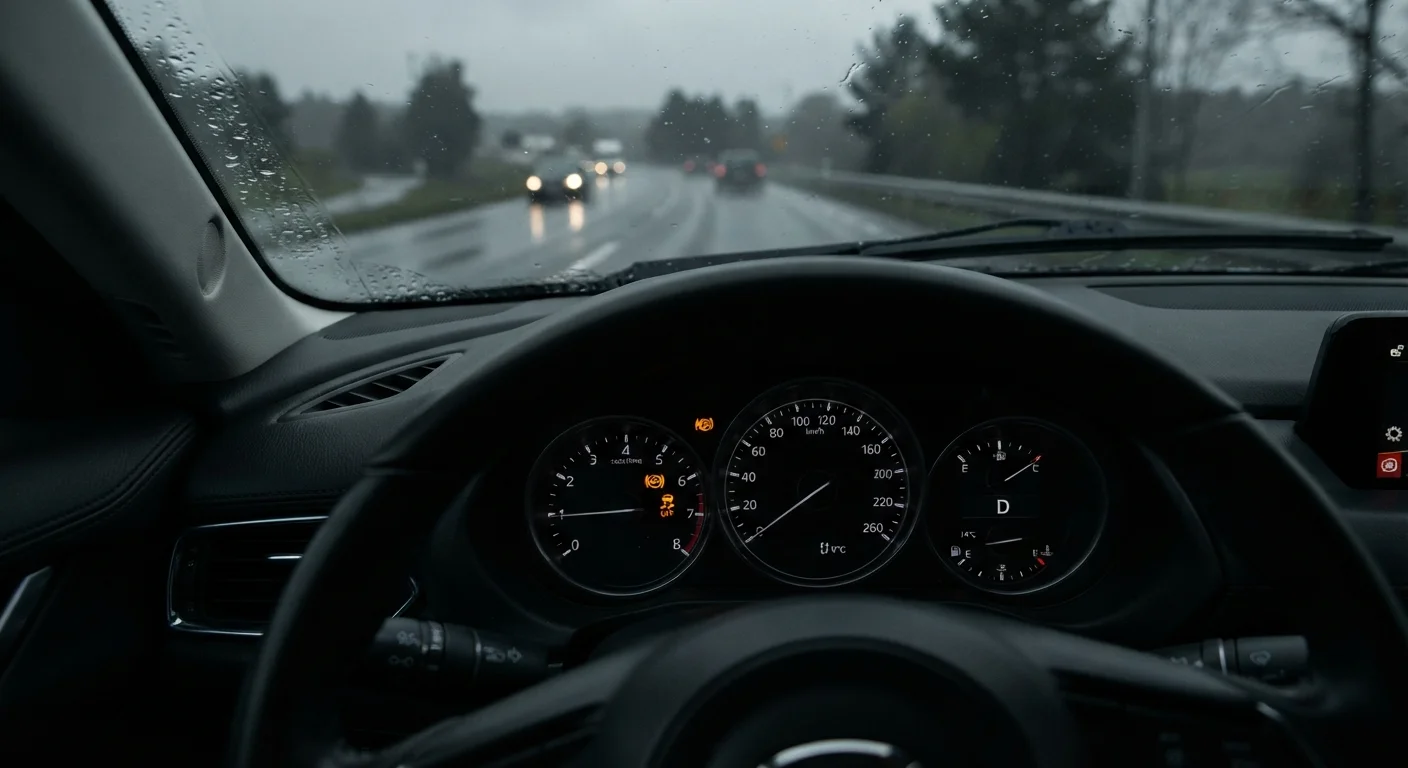
Photo: ScoutAnswers.com | Blogs That Ignite Curiosity editorial
Key Takeaways
- ABS prevents wheel lockup during hard braking, helping you steer while stopping.
- Traction control limits wheel spin during acceleration on slippery surfaces.
- Electronic stability control is the most comprehensive system, reducing skids and rollovers.
- None of these systems override the laws of physics - stopping distances still increase on wet or icy roads.
- Overconfidence in safety technology is itself a documented risk factor for crashes.
- Well-maintained tires are the foundation all three systems depend on to function effectively.
How Each System Works
Understanding what these systems actually do - not just that they exist - is the first step to using them wisely.
Anti-lock Braking System (ABS)
ABS monitors the rotational speed of each wheel during braking. When a wheel is about to lock up completely - which eliminates steering ability - the system rapidly pulses brake pressure to that wheel, keeping it spinning just enough to maintain directional control. The result: you can still steer while braking hard, rather than sliding straight into whatever is in front of you.
Traction Control System (TCS)
Traction control addresses the opposite problem - wheel spin during acceleration. When sensors detect one or more drive wheels spinning faster than the others (a sign of lost grip), the system reduces engine power or applies brief braking to the spinning wheel. This is particularly useful pulling away from a stop on ice or wet pavement.
Electronic Stability Control (ESC)
ESC is the most sophisticated of the three. It uses steering angle sensors and a yaw-rate sensor (which measures how quickly the car is rotating around its vertical axis) to detect when the vehicle is deviating from the driver's intended path. If the rear slides out (oversteer) or the front pushes wide (understeer), ESC selectively brakes individual wheels and may reduce engine power to bring the vehicle back in line.
ESC has been mandatory on all new U.S. passenger vehicles since the 2012 model year, following research showing it substantially reduces single-vehicle crashes and rollovers.
~49%
Reduction in single-vehicle fatal crashes
The National Highway Traffic Safety Administration (NHTSA) estimated ESC could reduce single-vehicle fatal car crashes by approximately 49% and fatal light-truck crashes by 59%.
2012
Year ESC became mandatory on U.S. vehicles
NHTSA required electronic stability control on all new passenger vehicles sold in the United States starting with the 2012 model year.
2×
Increase in stopping distance on wet roads
General engineering guidance indicates wet pavement can double stopping distances compared to dry conditions - a reality no electronic safety system fully offsets.
What These Systems Cannot Do
The most dangerous misconception about active safety systems is that they make a vehicle crash-proof. They do not. Each system operates within hard physical limits.
- They cannot create grip that isn't there. All three systems depend on tire-to-road friction. On black ice or flooded roads, even the best electronics cannot manufacture traction from nothing.
- They cannot compensate for excessive speed. If you enter a corner too fast for conditions, stability control may reduce the severity of a skid - but it cannot guarantee you'll make the turn.
- They cannot replace stopping distance. ABS keeps wheels from locking, but physics still governs how long it takes to slow a vehicle. Wet roads can double stopping distance compared to dry pavement, regardless of ABS.
- They cannot account for road hazards. A sudden pothole, debris, or another vehicle crossing your path may exceed what any system can handle in time.
Tire condition directly affects how well these systems perform - worn tread reduces the friction these systems rely on, degrading their effectiveness even when they're functioning correctly.
“ESC is one of the most significant automobile safety advances since the seatbelt - but like a seatbelt, it works best when drivers also make good choices behind the wheel.”
— Russ Rader, Former Senior Vice President of Communications, Insurance Institute for Highway Safety (IIHS)
The Behavioral Risk: Over-Reliance
Traffic safety researchers have documented a phenomenon called risk compensation - the tendency for people to behave less cautiously when they perceive themselves as protected. Drivers who know their vehicle has advanced safety systems may follow too closely, drive faster in poor conditions, or feel less urgency about tire maintenance.
This is not a hypothetical concern. Studies have found that some ESC-equipped vehicles are driven more aggressively in adverse conditions, partially offsetting the system's safety benefits.
Adjust Your Behavior, Not Just Your Confidence
Safe driving habits remain the primary layer of protection. Active safety systems are a backup - a final line of defense when things go wrong - not a substitute for attention, appropriate speed, and safe following distances. Reviewing your broader driving habits is a useful complement to understanding these technologies.
When driving on unfamiliar routes or in challenging conditions, combining situational awareness with an understanding of your vehicle's systems makes a meaningful difference. See our guidance on staying safe on unfamiliar roads for practical strategies.
Keeping the Systems Ready to Perform
Active safety systems are only as effective as the vehicle they're part of. A few maintenance practices keep them operating as intended:
- Monitor warning lights. An ABS, traction control, or ESC warning light that stays on indicates a fault. These systems may be partially or fully disabled until repaired by a qualified technician.
- Maintain your tires. Grip is the raw material all three systems work with. Keep tires properly inflated and replace them before tread depth becomes dangerously low.
- Don't ignore brake service. ABS works through the brake hydraulic system. Worn pads, low fluid, or compromised brake lines affect ABS performance along with overall braking.
- Keep wheel-speed sensors clean. These small sensors can accumulate brake dust and road debris. They're typically serviced during brake inspections.
For a comprehensive overview of vehicle upkeep across all systems, see everything involved in keeping a car roadworthy - including brakes, tires, and the electronic components that safety systems depend on.
Frequently Asked Questions
The content on this site is for informational purposes only and is not a substitute for professional advice. Always consult a qualified professional for guidance specific to your situation.