
Tire Pressure, Tread Depth, and Blowout Risk: What Every Driver Should Know

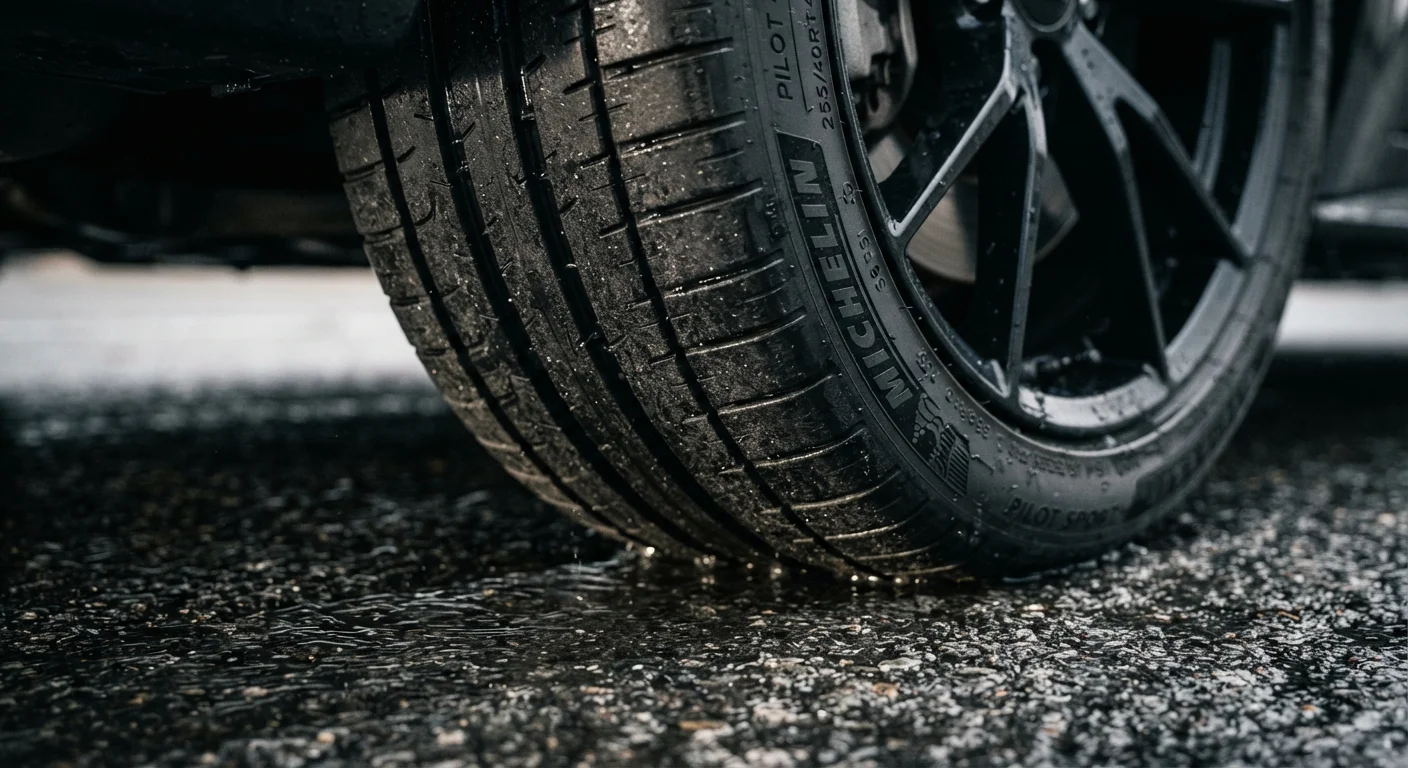
Photo: ScoutAnswers.com | Blogs That Ignite Curiosity editorial
Why Tires Are Your Most Critical Safety Component
Every braking maneuver, every turn, every emergency avoidance depends on four contact patches - each roughly the size of a human hand - where your tires meet the road. Tire pressure and tread depth are the two variables that most directly determine whether those patches do their job. Get either wrong, and handling, stopping distance, and blowout risk all shift in dangerous directions.
Understanding these fundamentals is part of keeping a car roadworthy - and it requires less time than most drivers assume. A pressure check takes under two minutes; a tread check takes seconds.
| Recommended pressure source | Driver's door jamb sticker or owner's manual |
| Legal minimum tread depth (most U.S. states) | 2/32 inch |
| Recommended replacement threshold (wet roads) | 4/32 inch or before (National Highway Traffic Safety Administration guidance) |
| Pressure drop per 10°F temperature decrease | Approximately 1 PSI |
| New passenger tire tread depth (typical) | 10/32" - 11/32" |
| Quarter test result at 4/32" | Top of Washington's head is visible |
Tire Pressure: The Goldilocks Problem
Both underinflation and overinflation create problems - neither extreme is safe. The correct target is the recommended pressure for your specific vehicle, printed on a sticker inside the driver's door jamb or in the owner's manual. This number is not the same as the maximum pressure molded into the tire sidewall, which is a structural limit, not a target.
Underinflation is the more common and more dangerous condition. When a tire runs low on air, its sidewalls flex excessively with each rotation. That flex generates heat - and heat is the leading contributor to blowouts. Underinflated tires also have a wider, distorted contact patch that increases rolling resistance, wears the shoulder edges faster, and reduces steering precision. Even 20% below the recommended pressure - as little as 6-8 PSI on a tire spec'd at 35 PSI - measurably degrades performance.
Overinflation makes tires rigid and narrows the contact patch to the center of the tread. The ride harshens, the tire becomes more vulnerable to impact damage from potholes and road debris, and wet-surface grip decreases. For a deeper look at how pressure affects fuel economy and wear patterns, see how tire pressure affects safety and cost.
Check pressure when tires are cold - before driving or after the vehicle has been parked at least three hours. Driving heats air and artificially raises readings by several PSI. Temperature itself also matters: tire pressure drops roughly 1 PSI for every 10°F decrease in ambient temperature, so a fall or winter cold snap can push properly inflated tires into the underinflated range overnight.
Don't Use the Sidewall Number as Your Target
Tread Depth: How Much Grip Is Left
Tire tread channels water away from the contact patch. As tread wears, that water-evacuation capacity shrinks - raising the risk of hydroplaning, where a film of water lifts the tire entirely off the road surface. On a highway in heavy rain, a worn tire can lose meaningful road contact at speeds well below the posted limit.
New passenger tires typically start with 10/32" to 11/32" of tread depth. The legal minimum in most U.S. states is 2/32", measured at the shallowest groove. Tires meet this threshold when the tread surface is level with the raised wear indicator bars molded into the grooves - and most safety organizations recommend replacement well before that point, typically at or before 4/32", especially for wet-weather driving.
The fastest way to check: insert a U.S. quarter into a tread groove with Washington's head pointing down. If the top of Washington's head is visible, you're at or below 4/32" and should plan for replacement. The older penny test (Lincoln's head) signals 2/32" - the legal minimum, not a safe operating margin.
Uneven tread wear is also diagnostic. Wear concentrated at the edges points to chronic underinflation; center wear suggests overinflation; diagonal patterns or cupping often indicate alignment, suspension, or rotation neglect. Maintenance habits that quietly shorten a car's life include skipping rotations, which accelerates uneven wear.
Understanding Blowout Risk and What to Do
A blowout - a sudden, rapid loss of tire pressure - is most likely when a tire is simultaneously stressed by heat, excess load, and structural weakness from underinflation or age-related degradation. Highway speeds amplify the danger: a rear blowout typically causes a controlled pull, while a front blowout can jerk the steering wheel sharply. In both cases, the instinct to brake hard is counterproductive.
If a blowout occurs: grip the wheel firmly, maintain your line, and ease off the accelerator gradually. Allow the vehicle to decelerate naturally before applying gentle brake pressure and steering to the shoulder. Avoid sharp steering inputs. Modern stability systems can help manage the initial yaw - but they work best when the driver doesn't panic-steer or panic-brake. See what ABS and stability control can and cannot do to understand the real limits of those systems.
Road and weather conditions heighten tire demands significantly. Wet roads in particular require adequate tread to channel water away. Drivers navigating unfamiliar territory - highway speeds, mountain grades, new road surfaces - should confirm tire condition beforehand. Safe practices for unfamiliar roads include a pre-trip vehicle check that covers tires specifically.
PSI
Pounds per square inch - the unit used to measure tire inflation pressure in the United States. Your vehicle's recommended PSI is found on the door jamb sticker, not the tire sidewall.
Tread depth
The measurement from the top of the tire's tread surface to the bottom of its deepest groove. Expressed in 32nds of an inch in the U.S., it determines how effectively the tire evacuates water and maintains grip.
Hydroplaning
A condition where a layer of water builds up between the tire and the road faster than the tread can disperse it, causing the tire to lose contact with the road surface and the driver to lose steering control.
Blowout
A sudden, rapid deflation of a tire, often caused by structural failure triggered by heat, impact damage, or severe underinflation. Distinct from a slow leak.
Wear indicator bars
Small raised rubber bridges built into tire tread grooves at 2/32" depth. When the surrounding tread wears level with these bars, the tire has reached the legal minimum tread depth in most U.S. states.
Cold inflation pressure
Tire pressure measured before driving or after sitting stationary for at least three hours. Recommended PSI values are always expressed as cold inflation pressure because driving heats air and temporarily raises readings.
The content on this site is for informational purposes only and is not a substitute for professional advice. Always consult a qualified professional for guidance specific to your situation.