
The Real Lifespan of Common Car Parts

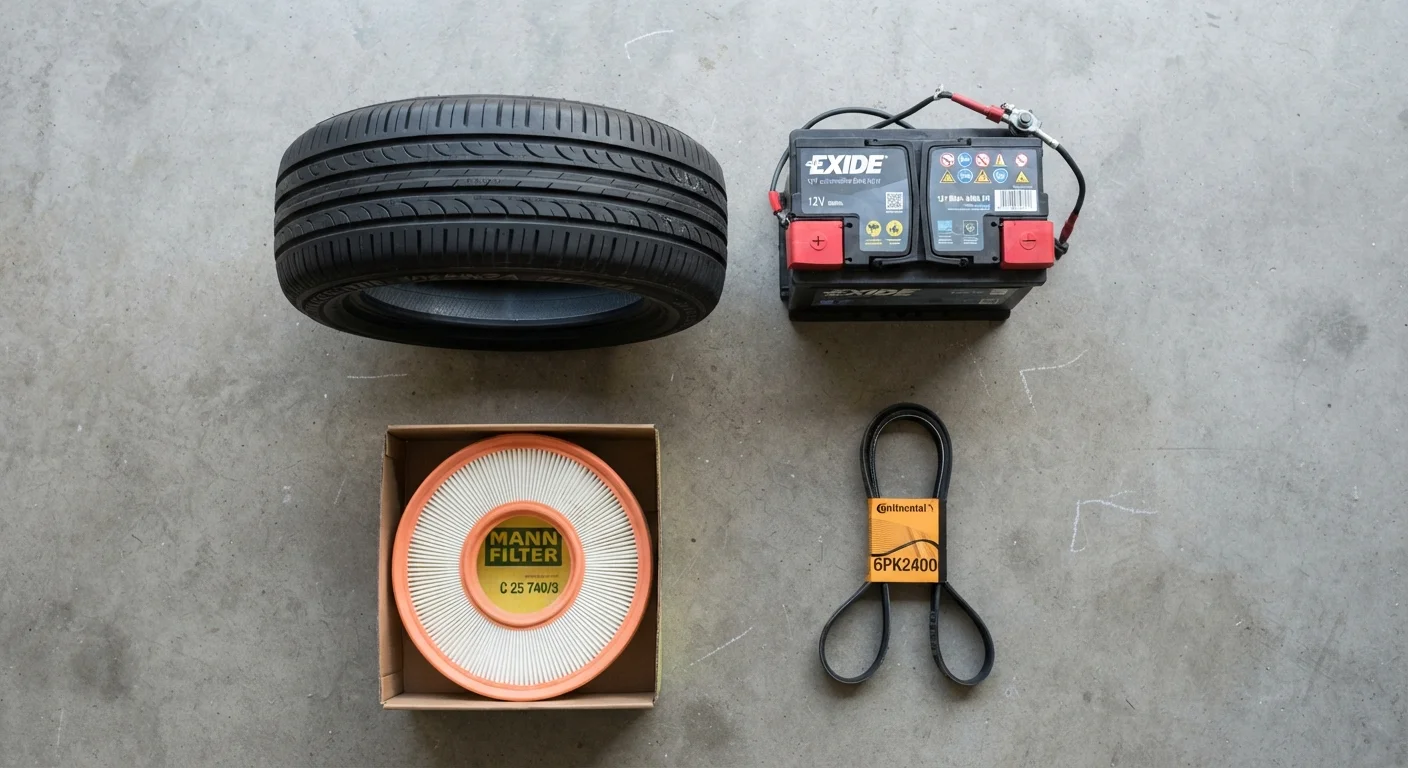
Photo: ScoutAnswers.com | Blogs That Ignite Curiosity editorial
Why Part Lifespans Matter
Most drivers replace car parts reactively - after a warning light appears or something stops working. The problem with that approach is that some failures don't announce themselves in advance, and others accelerate wear on surrounding components. Knowing the general lifespan of key parts shifts you from reactive to proactive maintenance, which is typically safer and less expensive over time.
The ranges below reflect typical manufacturer and industry guidance for passenger vehicles under average US driving conditions. Actual longevity varies depending on climate, driving habits, vehicle type, and how consistently maintenance is performed. For a broader look at keeping your vehicle roadworthy, see this comprehensive maintenance overview.
| Tire Lifespan (by mileage) | 25,000-75,000 miles (General industry guidance; varies by tire type and driving conditions) |
| Tire Lifespan (by age) | Replace by 10 years (Most major tire manufacturers) |
| Car Battery | 3-5 years (Typical range for lead-acid 12V batteries) |
| Timing Belt | 60,000-100,000 miles (Manufacturer-specified; check your owner's manual) |
| Brake Pads | 30,000-70,000 miles (Depends heavily on driving style and conditions) |
| Engine Air Filter | 15,000-30,000 miles (More frequent in dusty environments) |
| Coolant Flush | Every 30,000-50,000 miles or 5 years (Varies by coolant type (conventional vs. extended-life)) |
| Serpentine Belt | 60,000-100,000 miles (Inspect for cracks or fraying at each service) |
Lifespans by Component
The following breakdowns cover the parts most commonly misunderstood or neglected by everyday drivers.
Tires
Most tires last 25,000-75,000 miles depending on their type, load rating, and how the vehicle is aligned and driven. Even tires with adequate tread depth should be inspected and potentially replaced at six years of age, and most manufacturers recommend replacement by ten years regardless of remaining tread. Heat, UV exposure, and underinflation all accelerate degradation. Seasonal pressure checks are a simple way to protect tire life year-round.
Car Battery
Lead-acid car batteries typically last 3-5 years. Extreme temperatures - both hot summers and cold winters - shorten this range noticeably. A battery that's more than three years old should be tested annually. Learn the warning signs before a battery fails so you're not caught off guard.
Timing Belt vs. Timing Chain
Timing belts - made of rubber - typically need replacement every 60,000-100,000 miles, per manufacturer spec. Because a belt failure can destroy an engine, this interval is non-negotiable. Timing chains are metal and generally last the life of the engine with proper oil maintenance, but they're not immune to wear.
Serpentine Belt
This single belt drives multiple engine accessories, including the alternator and power steering pump. Most last 60,000-100,000 miles, though cracks, fraying, or squealing noises are signs to inspect sooner.
Brake Pads
Brake pads typically last 30,000-70,000 miles, with wide variation based on driving style. City driving with frequent stops wears pads significantly faster than highway driving. Certain driving habits accelerate brake wear more than most drivers realize.
Air Filter (Engine)
Engine air filters generally need replacement every 15,000-30,000 miles, or sooner if driving in dusty or rural conditions. A clogged filter reduces fuel efficiency and can strain the engine.
Cabin Air Filter
Typically replaced every 15,000-25,000 miles, the cabin filter affects interior air quality and HVAC efficiency - often overlooked until airflow noticeably decreases.
Coolant (Antifreeze)
Depending on the formula (conventional vs. extended-life), coolant should be flushed every 30,000-50,000 miles or every 5 years. Degraded coolant loses its ability to prevent corrosion and regulate temperature effectively.
Your Owner's Manual Is the Primary Reference
Building a Replacement Schedule
The most reliable way to track part lifespans is by combining your vehicle's owner's manual with a simple mileage log. Your manual will list manufacturer-specified intervals that are specific to your engine, drivetrain, and climate rating - these are always the most authoritative reference point.
If you're buying a used vehicle, request service records to identify what's already been replaced. Components without a documented replacement history should be inspected promptly. For practical help structuring your approach, this guide to building a maintenance routine offers a straightforward framework any driver can follow.
When in doubt about a component's condition, have it inspected by a qualified mechanic. Many parts show wear long before they fail completely, and a professional inspection can identify deterioration that isn't visible during a routine visual check.
Timing Belt
A rubber belt that synchronizes the rotation of the engine's crankshaft and camshaft. Failure can cause significant engine damage, making replacement at the manufacturer-specified interval critical.
Serpentine Belt
A single, continuous belt that drives multiple engine accessories such as the alternator, power steering pump, and air conditioning compressor. It replaced older multi-belt systems in most modern vehicles.
Tread Depth
The measurement of the grooves on a tire's surface. Adequate tread depth is essential for channeling water and maintaining traction; worn tread increases stopping distance and hydroplaning risk.
Coolant Flush
The process of draining old antifreeze from the cooling system and replacing it with fresh fluid. This prevents corrosion build-up and maintains the system's ability to regulate engine temperature.
Lead-Acid Battery
The most common type of 12-volt starter battery in passenger vehicles. It uses lead plates and sulfuric acid to generate electrical current, and its performance degrades with age and temperature extremes.
The content on this site is for informational purposes only and is not a substitute for professional advice. Always consult a qualified professional for guidance specific to your situation.