
Selling Your Car Yourself: A Step-by-Step Walkthrough

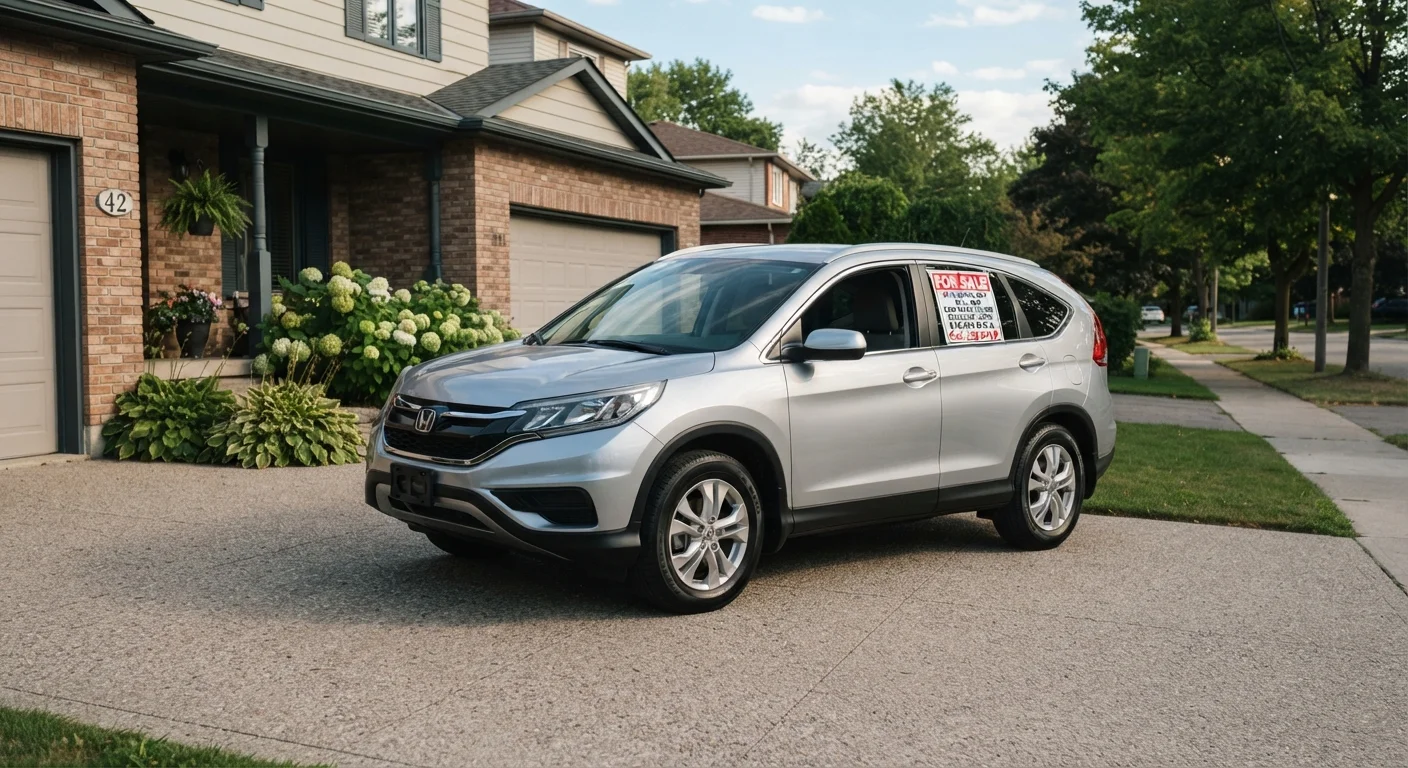
Photo: ScoutAnswers.com | Blogs That Ignite Curiosity editorial
Key Takeaways
- Accurate pricing based on market data is the single most important factor in attracting serious buyers.
- Thorough preparation - cleaning, documentation, minor repairs - directly affects how quickly your car sells.
- Screening buyers before a test drive protects your safety and saves time.
- A complete paperwork trail protects both you and the buyer after the transaction closes.
- Payment method matters: verify funds before handing over the title and keys.
Why the Private-Party Process Rewards Preparation
Selling a car privately - rather than trading it in or using a dealer - typically yields a higher net return, but it requires you to manage every step of the transaction yourself. You become the pricing analyst, the marketer, the salesperson, and the closing agent. That range of responsibility is manageable when you understand the full arc of the process before you start.
The full arc of a car transaction - from setting a price through signing the title - has distinct stages, and problems at any one stage typically trace back to shortcuts taken at an earlier one. Sellers who price without research, list without photos, or skip paperwork steps consistently encounter slower sales, lower final prices, or post-sale disputes.
The steps below walk through the private-party process in the order you will actually encounter it.
What you will need
Tools and Documents You Will Need
Before you list your vehicle, gather the resources and materials you will rely on throughout the process. Having them ready in advance prevents delays once a serious buyer appears.
Vehicle Pricing Reference (e.g., Kelley Blue Book or NADA Guides)
Establishes a defensible asking price based on your car's year, make, model, mileage, and condition.
Vehicle History Report Service (e.g., Carfax or AutoCheck)
Provides buyers with accident, ownership, and title history, increasing buyer confidence and reducing negotiation friction.
Bill of Sale Template
Documents the terms of the sale in writing for both parties.
Odometer Disclosure Statement
Federally required for most vehicles under ten years old to certify the mileage at time of sale.
Smartphone or Digital Camera
Used to capture high-quality listing photos that attract more serious inquiries.
For broader vehicle upkeep context that can support your disclosures to buyers, the Car Maintenance hub is a useful reference.
Step-by-Step Instructions
Follow these steps in order. Each builds on the previous one, and skipping ahead - particularly on screening, payment verification, or paperwork - is where most private sales run into problems.
Research and set your asking price
Use established pricing references - Kelley Blue Book and NADA Guides are widely recognized in the US - to determine your vehicle's private-party market value. Input your car's year, make, model, trim level, mileage, and honest condition rating. Cross-check with active listings for comparable vehicles in your region to understand what buyers are actually seeing.
Set your asking price slightly above your minimum acceptable number to leave room for negotiation, but stay within realistic market range. Overpricing is the leading reason private-party listings stall.
Prepare the vehicle and gather documents
A clean, well-documented car signals to buyers that it was cared for. Wash and vacuum the interior and exterior, address minor cosmetic issues, and ensure all lights and basic systems function. Our pre-listing checklist covers documentation, cosmetic prep, and safety steps in detail.
Assemble your title, maintenance records, warranty documents if still active, and any existing vehicle history reports. Confirming the title is clear - or initiating a lien release with your lender - should happen before you list, not after a buyer appears.
Create an honest, detailed listing
Write a description that covers year, make, model, trim, mileage, mechanical condition, any known issues, accident history, and reason for selling. Transparency about flaws reduces wasted inquiries and builds buyer trust. Take photos in good natural light: exterior from all four corners, interior front and rear, dashboard, engine bay, and any damage worth disclosing.
Post on widely used platforms appropriate for private-party sales in your area. Include your asking price - listings without a price attract significantly fewer serious inquiries.
Screen inquiries before meeting
Respond to inquiries by message or phone first. Ask basic qualifying questions: Is the buyer local? Are they paying cash, financing independently, or trading? Have they seen the price and photos? Serious buyers will have straightforward answers. Be wary of buyers who push to skip inspection, offer well above asking price, or insist on unusual payment arrangements.
Never share your home address in early communications. Arrange first contact and test drives at a neutral, public location - many police departments designate safe exchange zones specifically for this purpose.
Conduct the test drive safely
Before handing over the keys, ask to see the buyer's valid driver's license and take a photo of it. Verify they hold a current license. You may choose to ride along or, if you are comfortable, allow a solo drive on a predetermined short route. Confirm your insurance covers other drivers operating your vehicle - policies vary, so check with your insurer beforehand.
After the drive, give the buyer space to ask questions and inspect the car further. Have your maintenance records on hand to answer questions about service history.
Negotiate and agree on final terms
Most private-party buyers will negotiate. Know your floor price - the minimum you will accept - before the conversation begins. Be willing to justify your asking price with data: comparable listings, recent service, remaining warranty. If you cannot reach agreement, it is acceptable to decline and wait for another buyer.
Once a price is agreed, confirm the payment method, timeline, and whether the buyer will take the car the same day or arrange pickup later. Get any agreed terms in writing.
Handle payment and complete the paperwork
Acceptable payment methods for private sales typically include cash, cashier's check from a verified bank, or a verified electronic transfer. Personal checks carry meaningful fraud risk and are generally not recommended. If accepting a cashier's check, verify it with the issuing bank directly - do not rely solely on the document itself - before releasing the title.
Complete all required documents: sign and date the title per your state's instructions, complete an odometer disclosure statement, and execute a bill of sale. Some states also require a release of liability or notice of transfer filed with the DMV. Our guide to car sale paperwork explains what each document does and why each one matters. Retain copies of everything for your own records.
Fraud Risks Are Real in Private Sales
This article provides general information about the private vehicle sale process and does not constitute legal or financial advice. Requirements for title transfer, odometer disclosure, and release of liability vary by state. Verify the specific rules for your state with your local Department of Motor Vehicles before completing any transaction.
The content on this site is for informational purposes only and is not a substitute for professional advice. Always consult a qualified professional for guidance specific to your situation.