
Building a Personal Mental Wellness Routine From Scratch

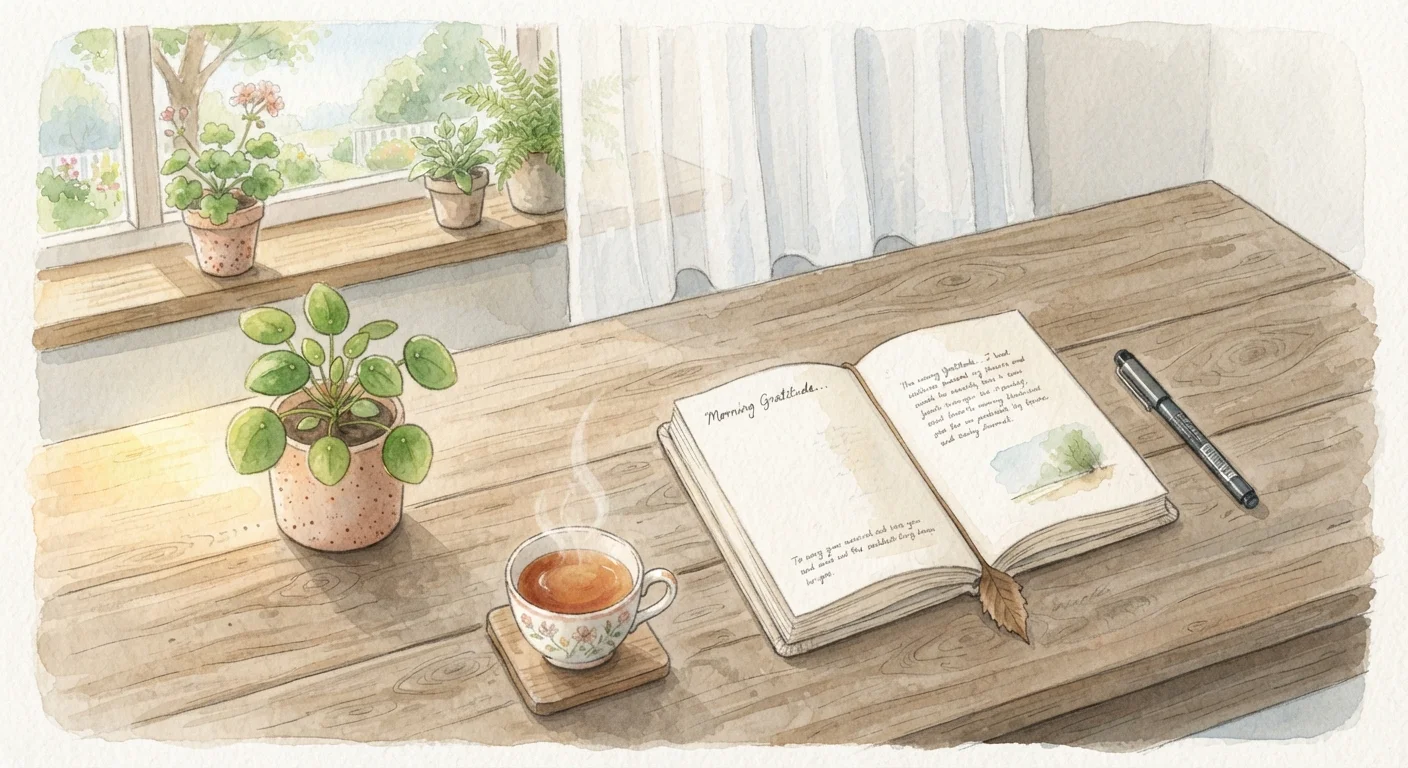
Photo: ScoutAnswers.com | Blogs That Ignite Curiosity editorial
Key Takeaways
- A mental wellness routine is a set of intentional daily habits that support emotional and psychological health over time.
- Starting small - even five minutes a day - is more effective than launching an elaborate plan you can't sustain.
- Sleep, movement, social connection, and self-reflection are core building blocks most people benefit from.
- Consistency over weeks and months creates real change; skipping perfection is part of the process.
- A wellness routine complements, but does not replace, professional mental health care when it's needed.
What a Mental Wellness Routine Actually Is
The phrase "mental wellness routine" can sound intimidating - like something that requires a meditation retreat, a structured journal system, or hours of free time. In reality, it's far more modest: a set of intentional, repeatable habits that help you maintain psychological balance over time.
Unlike crisis intervention or clinical treatment, a wellness routine is everyday maintenance. Just as you might change your car's oil on a schedule to prevent bigger problems - the way a good maintenance schedule prevents breakdowns - a mental wellness routine catches small stressors before they compound.
Crucially, there is no single universal template. What supports one person's mental health may not suit another. The goal is to find a combination of practices that fits your actual life, values, and energy levels - then show up for it consistently.
Mental wellness
A state of psychological balance in which a person can manage everyday stress, maintain relationships, and function in daily life. It exists on a spectrum and changes over time.
Habit stacking
A technique where you link a new behavior to an existing routine - for example, practicing deep breathing right after brushing your teeth - to make the new habit easier to remember and sustain.
Self-reflection
The practice of intentionally examining your thoughts, feelings, and behaviors, often through journaling or quiet contemplation, to better understand your emotional state.
Sleep hygiene
A set of habits and environmental conditions that support consistent, restorative sleep - such as maintaining a regular sleep schedule and limiting screen use before bed.
Psychological resilience
The ability to adapt to stress, adversity, or change without lasting negative impact on emotional well-being. It can be strengthened through consistent supportive habits over time.
Key Building Blocks to Consider
While routines are personal, most people draw from a similar set of foundational elements. You don't need all of them - even one or two practiced regularly can make a difference.
- Sleep: Poor sleep hygiene is one of the most common factors that quietly undermines emotional resilience. Prioritizing consistent sleep and wind-down habits is often the highest-leverage starting point. To understand how chronic patterns erode well-being, explore what gradually chips away at mental health.
- Movement: Regular physical activity - even short walks - has well-established links to mood regulation and stress reduction. A realistic weekly movement schedule can make this sustainable.
- Social connection: Human beings are social by nature. Even brief, meaningful contact with people you trust supports emotional health. This can be as simple as a regular phone call or sharing a meal.
- Self-reflection: Journaling, mindfulness, or even a few quiet minutes at the end of the day gives your mind space to process experience rather than accumulate unexamined stress.
- Limiting drains: Identifying habits that deplete you - excessive screen time, chronic avoidance, or overcommitment - matters as much as adding positive practices.
How to Start Small Without Feeling Overwhelmed
The most common mistake people make when building any routine is trying to change everything at once. Starting with a single, very small practice is not a compromise - it is the strategy.
Choose one building block that feels most accessible. If sleep seems most urgent, begin by picking a consistent wind-down time for a week. If movement appeals to you but feels daunting, a low-pressure framework for returning to regular movement can help you start safely and gently.
Start With One Thing, Not Five
Attach new practices to existing habits - sometimes called "habit stacking" - to reduce friction. A few minutes of self-reflection after your morning coffee, or a short walk after lunch, are easier to sustain than practices that require special setup or time blocks.
Track simply. You don't need a complex system - a checkmark on a calendar or a one-line note works fine. The point is to build awareness of your patterns, not to create another obligation.
Why Consistency Matters More Than Intensity
A five-minute daily check-in practiced for three months will generally do more for your mental wellness than an intensive weekend retreat followed by nothing. The brain responds to repeated, low-level stimulation more sustainably than to occasional high-effort events.
This is why skipping a day - or a week - doesn't erase progress. What matters is returning. Viewing your routine as something you come back to, rather than something you either maintain perfectly or abandon, is itself a healthier mental framework.
It also helps to revisit and adjust. A routine that worked during a calm period may need modification during a stressful season. Flexibility is not inconsistency - it's responsiveness to your actual life.
When to Seek Additional Support
A personal mental wellness routine is a meaningful tool, but it has limits. If you are experiencing persistent feelings of hopelessness, anxiety that interferes with daily functioning, changes in appetite or sleep that feel uncontrollable, or thoughts of self-harm, please reach out to a qualified mental health professional. These are signals that go beyond what a self-directed routine can address.
Opening up about struggles - even to someone you trust - is often the first step. Starting that conversation can feel daunting, but there are practical ways to prepare for it.
A routine supports wellness. A professional supports care. Both have their place, and neither replaces the other.
This article is for general informational and educational purposes only and does not constitute medical or mental health advice. If you have concerns about your mental health, please consult a qualified healthcare or mental health professional.
Frequently Asked Questions
The content on this site is for informational purposes only and is not a substitute for professional advice. Always consult a qualified professional for guidance specific to your situation.