
The Stress Response: What Happens Inside Your Body When You're Overwhelmed

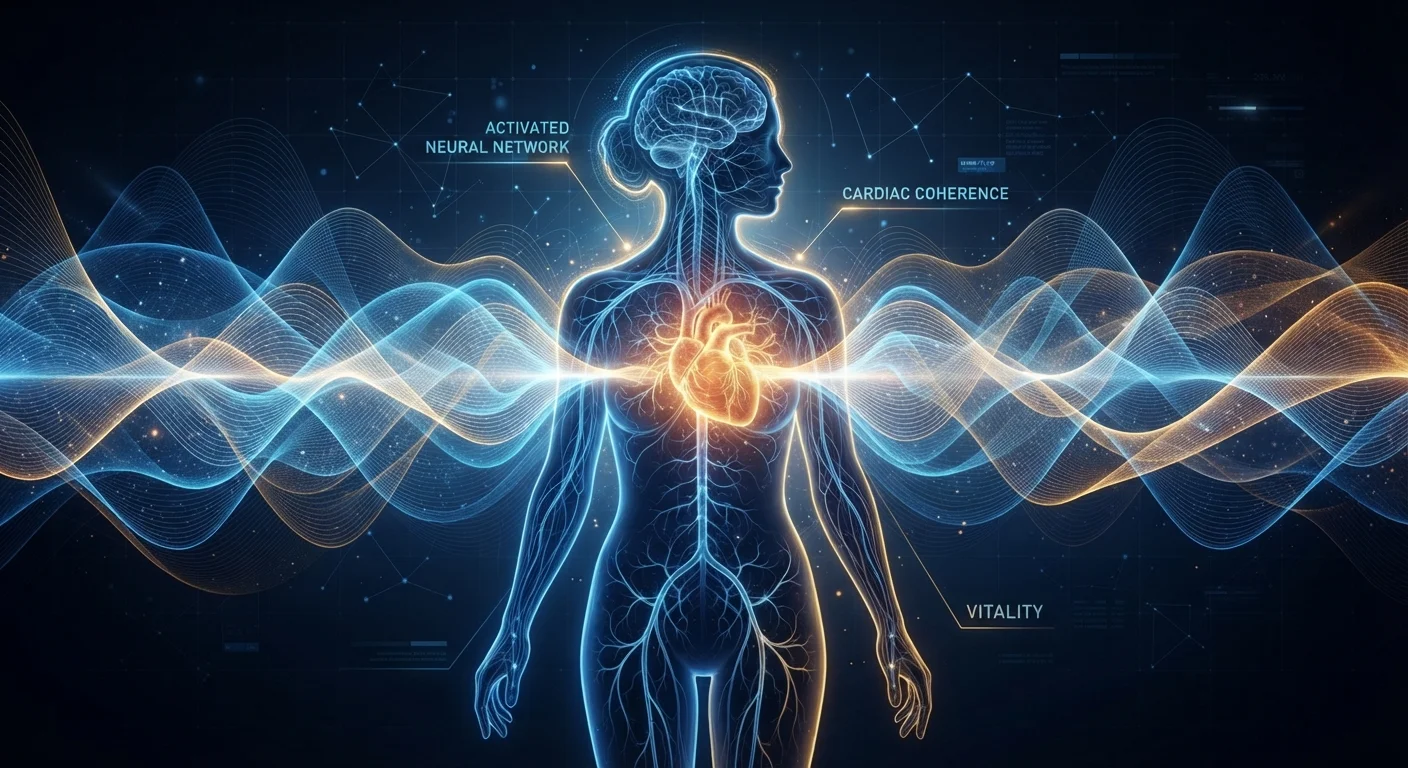
Photo: ScoutAnswers.com | Blogs That Ignite Curiosity editorial
Key Takeaways
- The stress response is a normal, protective biological process - not a personal failure.
- Acute (short-term) stress is very different from chronic (long-term) stress in how it affects health.
- Cortisol and adrenaline are the primary hormones driving your physical stress symptoms.
- Chronic stress keeps the body in a sustained state of alert that can affect multiple organ systems over time.
- Recognizing your own stress signals is the first step toward managing them more effectively.
How the Body Detects a Threat
When your brain perceives something stressful - whether it's a car pulling in front of you or a tense conversation at work - a small brain region called the amygdala sends an alarm signal. This triggers the hypothalamus, often described as the brain's command center, to activate the autonomic nervous system.
Within seconds, the adrenal glands (located above the kidneys) release adrenaline, also called epinephrine. Heart rate accelerates, breathing quickens, muscles receive a rush of oxygenated blood, and non-essential body functions temporarily pause. This is the classic fight-or-flight response - a survival mechanism refined over millions of years of evolution.
Notably, the brain cannot easily distinguish between a physical threat and a psychological one. A looming work deadline activates the same circuitry as a predator in the wild, which helps explain why modern stressors can feel so physically real.
The Role of Cortisol: Your Body's Longer-Acting Stress Hormone
While adrenaline handles the first-wave alarm, a second hormone - cortisol - sustains the response. Released by the adrenal cortex following signals from the brain's hypothalamic-pituitary-adrenal (HPA) axis, cortisol keeps blood sugar elevated for continued energy, suppresses the immune and digestive systems temporarily, and maintains heightened alertness.
In short, healthy doses, cortisol is genuinely useful. It helps you perform under pressure, focus sharply, and recover from physical exertion. The system is designed to self-regulate: once the threat passes, cortisol levels drop, and the body returns to a baseline state called homeostasis.
77%
Americans reporting physical stress symptoms
According to the American Psychological Association's Stress in America survey, a large majority of adults report regularly experiencing physical symptoms they associate with stress.
~20 min
Time for cortisol to peak after a stressor
Research in psychoneuroendocrinology indicates cortisol levels typically peak roughly 20 minutes after acute stress exposure before beginning to decline.
Problems arise when the stressor doesn't resolve. Persistently elevated cortisol - the hallmark of chronic stress - has been associated in research with disruptions to sleep, immune function, metabolism, and mood regulation. This is not a character flaw; it's the body doing exactly what it was built to do, for longer than the system was intended to sustain.
Acute vs. Chronic Stress: A Critical Distinction
Acute stress is brief and situation-specific. Your body mobilizes, responds, and recovers - often within hours. Most people experience acute stress regularly without lasting harm; in fact, manageable acute stress can sharpen focus and motivation.
Chronic stress is fundamentally different. It develops when stressors persist - an ongoing difficult work situation, financial strain, caregiving demands, or unresolved relationship conflict. The body never fully returns to baseline, keeping the HPA axis and the nervous system in a prolonged state of activation.
Over time, this sustained activation can contribute to physical symptoms including headaches, digestive issues, sleep disturbances, and muscle tension. Research has also linked chronic stress to increased vulnerability to illness, though the mechanisms are complex and individual responses vary significantly. If you recognize these patterns in your own life, speaking with a healthcare or mental health professional is a meaningful next step.
What Feeling Overwhelmed Actually Means Biologically
The sensation of being overwhelmed - that feeling of too much, too fast - is not just emotional. It corresponds to a real biological state: the stress-response system is receiving more input than it can efficiently process and resolve. The prefrontal cortex, responsible for rational decision-making, becomes less dominant when the stress response is in full activation, which is why clear thinking feels harder when you're overwhelmed.
This is a normal feature of human neurobiology, not a weakness. Understanding it can itself be grounding. You're not "falling apart" - your brain is following ancient programming designed to prioritize survival over strategy.
Practical approaches like paced breathing, brief physical movement, and social support are not just feel-good advice. Research suggests they can help downregulate the nervous system by activating the parasympathetic branch - sometimes called the "rest and digest" system - which counterbalances the stress response. These are tools, not cures, and a qualified mental health professional can help you develop a fuller, personalized approach if stress is significantly affecting your daily life.
This article is for general informational and educational purposes only and is not a substitute for professional medical or mental health advice. If you are experiencing persistent or distressing symptoms related to stress, please consult a qualified healthcare provider.
Frequently Asked Questions
The content on this site is for informational purposes only and is not a substitute for professional advice. Always consult a qualified professional for guidance specific to your situation.