
Fiber: The Nutrient Most Americans Aren't Getting Enough Of

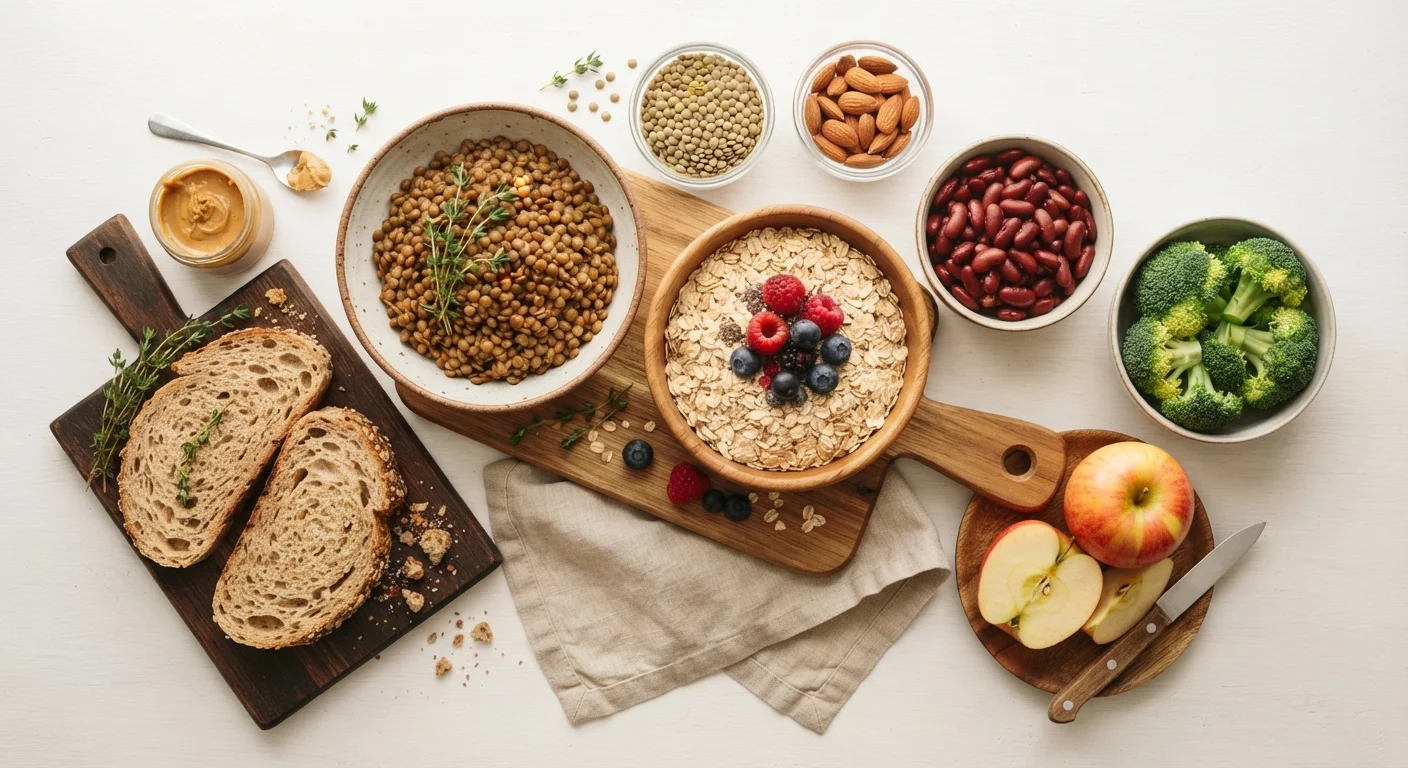
Photo: ScoutAnswers.com | Blogs That Ignite Curiosity editorial
Key Takeaways
- Most Americans consume well below the recommended daily fiber intake according to national dietary data.
- Fiber supports digestive health, helps regulate blood sugar, and is associated with reduced risk of several chronic conditions.
- Both soluble and insoluble fiber offer distinct benefits and are found together in many whole plant foods.
- Ultra-processed foods - which dominate much of the American diet - are typically very low in fiber.
- Gradually increasing fiber intake alongside adequate water can help the body adjust more comfortably.
Why Fiber Matters More Than Most People Realize
Fiber rarely gets the attention that vitamins and minerals do, yet national dietary surveys consistently identify it as one of the most under-consumed nutrients in the American diet. This article is part of a broader look at nutrients Americans most commonly fall short on, and fiber sits near the top of that list for good reason.
What fiber does in the body extends well beyond digestion. Soluble fiber - found in oats, apples, and legumes - slows the absorption of glucose, which helps moderate blood sugar fluctuations after meals. It also binds to cholesterol-containing compounds in the digestive tract, a process associated with lower LDL cholesterol levels. Insoluble fiber, abundant in whole wheat products and many vegetables, adds bulk to stool and helps food move more efficiently through the gut, reducing the likelihood of constipation.
Research has also linked adequate fiber intake to a lower risk of type 2 diabetes, cardiovascular disease, and colorectal cancer, though these are population-level associations from long-term studies - not guarantees for any individual. The gut microbiome connection is an active area of research: fiber fermented by colonic bacteria produces short-chain fatty acids, which appear to support the integrity of the gut lining and have broader anti-inflammatory effects.
~15g
Average daily fiber intake among U.S. adults
National dietary surveys, including NHANES data, consistently show average American fiber consumption falls well below recommended levels.
25-38g
Daily fiber intake recommended for adults
The Dietary Guidelines for Americans identify fiber as a nutrient of public health concern given the large gap between recommended and actual intake.
95%
Estimated proportion of Americans with inadequate fiber intake
Research published in the American Journal of Lifestyle Medicine estimated that approximately 95% of Americans do not meet fiber intake recommendations.
The Fiber Gap: Why Americans Fall Short
The gap between recommended fiber intake and what Americans actually consume is wide and well-documented. The primary driver is dietary pattern: the typical American diet leans heavily on ultra-processed foods - packaged snacks, refined breads, fast food - which have had most of their natural fiber removed during processing. When whole grains are replaced with refined grains and fresh produce is limited, fiber intake drops substantially without the person necessarily noticing.
Cost and access also play a role. Fresh fruits, vegetables, and whole grain products can be less available or less affordable in some communities, making it structurally harder for some households to eat a fiber-rich diet. These aren't individual failures - they reflect broader patterns in food environments and economics.
Read Fiber Labels Carefully
It's also worth noting that fiber intake is easy to misjudge. Many foods marketed as "high fiber" contain relatively modest amounts per serving, and product labels can be misleading. For more on how nutrition messaging goes astray, see how online nutrition content often misleads readers.
Reliable Food Sources of Fiber
The good news is that fiber-rich foods are diverse and widely available. Legumes - lentils, chickpeas, kidney beans, black beans - are among the most concentrated sources and are also economical. A single cup of cooked lentils contains roughly 15 grams of fiber. Whole grains like oats, barley, quinoa, and brown rice contribute meaningfully, especially when they replace refined grain equivalents.
Fruits with edible skins or seeds - pears, apples, raspberries, avocados - are strong contributors. Vegetables such as broccoli, Brussels sprouts, carrots, and artichokes are also solid sources. Nuts and seeds round out the picture, offering smaller but consistent amounts of fiber per serving.
One practical consideration: fiber works best alongside adequate water intake. Because fiber absorbs water as it moves through the digestive tract, low hydration can blunt its benefits and increase discomfort. The relationship between fluid intake and digestive health is explored further in how water intake shapes nutrient absorption.
If you're working to increase your fiber intake, adding foods gradually rather than all at once tends to be easier on the digestive system. A registered dietitian can help you find an approach that fits your individual health circumstances and goals.
This article is for general informational and educational purposes only and is not a substitute for professional medical or dietary advice. Consult a qualified healthcare provider before making significant changes to your diet.
Frequently Asked Questions
The content on this site is for informational purposes only and is not a substitute for professional advice. Always consult a qualified professional for guidance specific to your situation.