
Structural vs. Cosmetic Repairs: How to Tell Them Apart

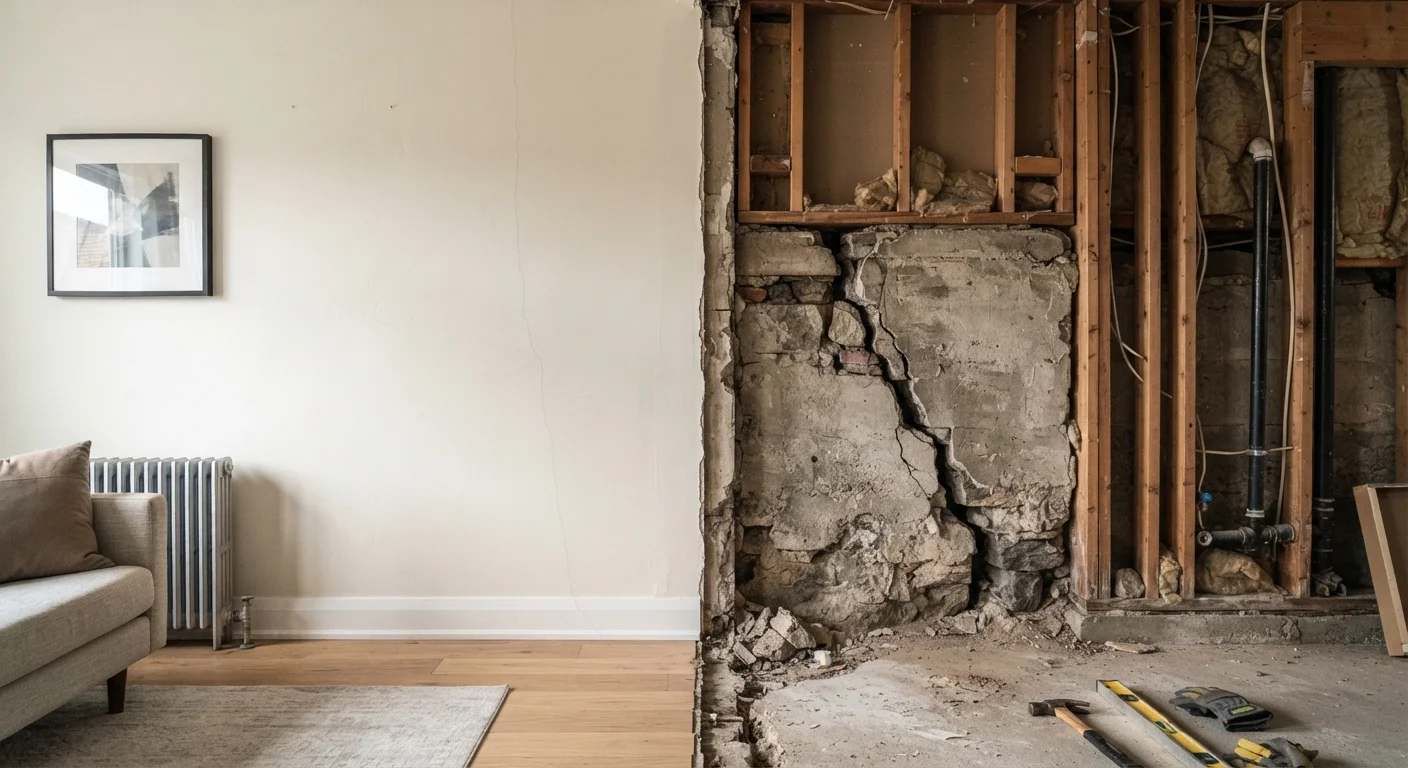
Photo: ScoutAnswers.com | Blogs That Ignite Curiosity editorial
Key Takeaways
- Cosmetic repairs affect appearance only and rarely compromise safety or home integrity.
- Structural repairs involve load-bearing elements and typically require licensed professional assessment.
- Crack shape, location, and pattern are reliable first clues to which category a defect falls into.
- Skipping a structural repair can worsen damage over time and create safety hazards.
- Permits and inspections are often legally required for structural work - always verify local codes.
What Makes a Repair "Structural" vs. "Cosmetic"?
The simplest way to draw the line: a cosmetic repair addresses how something looks, while a structural repair addresses how something holds together. Cosmetic issues - peeling paint, minor drywall dings, worn grout - sit on the surface of your home and don't affect its stability or safety. Structural issues involve the components that carry loads: foundations, bearing walls, beams, joists, rafters, and connection points between them.
This distinction has practical weight. A cosmetic issue left unaddressed might lower curb appeal; a structural issue ignored can worsen progressively, threaten occupant safety, and become significantly more expensive to fix. The challenge is that some defects look similar on the surface but belong to very different categories.
| Cosmetic Repairs | Structural Repairs | |
|---|---|---|
| What it affects | Appearance and finish surfaces | Load-bearing or stability elements |
| Typical examples | Drywall patches, paint, grout | Foundation cracks, failed joists, bearing walls |
| Safety risk if deferred | Low - mainly aesthetic decline | High - can worsen and become dangerous |
| DIY suitability | Generally appropriate | Professional assessment required |
| Permits typically required | Rarely | Often - verify local codes |
| Cost range tendency | Lower, more predictable | Higher, varies with scope |
Reading Cracks: The Most Common Point of Confusion
Cracks are the classic source of homeowner anxiety, and for good reason - they can signal almost anything. Here's how to interpret what you're seeing:
- Hairline cracks in drywall or plaster that run horizontally or follow the seams of drywall sheets are almost always cosmetic. These result from normal seasonal expansion and contraction of the home's framing.
- Stair-step cracks in brick or block that follow mortar joints can indicate foundation settlement. They warrant a professional look, especially if they've grown.
- Diagonal cracks radiating from corners of windows and doors may signal differential settlement below - a structural concern - or normal shrinkage - cosmetic. Width matters: cracks wider than 1/4 inch deserve professional evaluation.
- Horizontal cracks in basement or foundation walls are among the most serious signs. They can indicate lateral soil pressure and potential wall failure.
Document Cracks Before You Do Anything
When assessing a crack, note whether it's active (still growing) or dormant. Place a pencil mark at each end with a date; recheck in 30 days. A growing crack elevates urgency regardless of its current size.
Other Common Defects and How to Categorize Them
Cracks aren't the only ambiguous defect. Here's a quick field guide to other common issues:
- Sagging floors
- Minor bounce in older wood floors is often normal. Noticeable sag, especially concentrated in one area, can indicate failing joists, a compromised support post, or moisture damage - all structural.
- Sticking doors and windows
- Humidity swells wood seasonally - cosmetic and common. Doors that suddenly stop latching, or frames that are visibly out of square, may reflect foundation movement.
- Water stains on ceilings
- A dried stain from a resolved roof leak is cosmetic once the source is fixed. An active stain - especially accompanied by soft drywall - may indicate ongoing structural moisture damage to framing.
- Peeling exterior paint
- Usually cosmetic, though persistent peeling in the same spot can indicate moisture intrusion affecting the sheathing beneath.
When to DIY and When to Call a Professional
Cosmetic repairs are generally safe territory for capable DIYers. Patching drywall, repainting, re-caulking a bathtub, replacing tile grout, or fixing a loose cabinet hinge are all low-stakes tasks with good instructional resources available and forgiving margins for error.
Structural repairs are a different matter entirely. Work on load-bearing walls, foundation repair, sistering damaged joists, or correcting significant framing issues should always begin with a professional assessment - typically from a licensed structural engineer or a qualified general contractor experienced in structural work. Attempting structural repairs without proper diagnosis risks making the underlying condition worse.
A key practical note: many structural repairs require building permits and inspections under local building codes. This is not bureaucratic formality - it protects you, future occupants, and your home's insurability. Always contact your local building department before beginning any structural work to understand what approvals are required in your jurisdiction.
This article is for general informational purposes only and does not constitute professional engineering or construction advice. Always consult a licensed professional for assessment of potentially structural defects.
The content on this site is for informational purposes only and is not a substitute for professional advice. Always consult a qualified professional for guidance specific to your situation.