
Why Mortgage Pre-Qualification and Pre-Approval Are Not the Same Thing

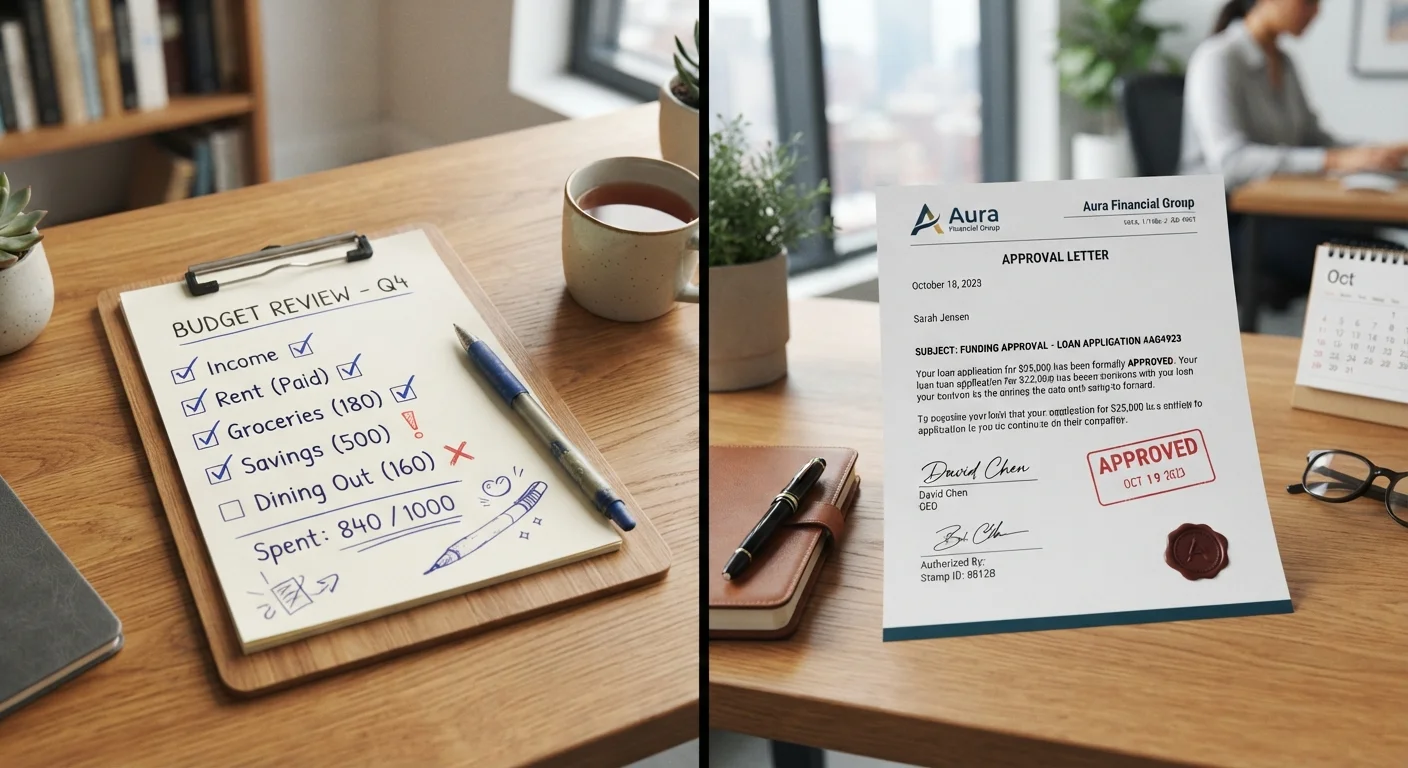
Photo: ScoutAnswers.com | Blogs That Ignite Curiosity editorial
Key Takeaways
- Pre-qualification is a lender's informal estimate based on self-reported financial information, not verified documents.
- Pre-approval requires a formal credit check and documentation review, giving it significantly more credibility with sellers.
- In competitive markets, many listing agents advise sellers to reject offers without a pre-approval letter attached.
- Neither pre-qualification nor pre-approval guarantees a final loan - underwriting makes the definitive decision.
- Getting pre-approved before house hunting puts buyers in a stronger negotiating position and clarifies a realistic budget.
Why the Distinction Matters in Today's Market
Many first-time buyers assume pre-qualification and pre-approval are simply two names for the same step. They are not - and treating them interchangeably can cost you a home you want. Sellers and their agents read these two documents very differently, especially in markets where multiple offers are common.
Pre-qualification is typically a quick, no-documentation process. You share income, asset, and debt figures verbally or through an online form, and the lender responds with a rough borrowing estimate. It is useful for early budgeting, but it carries no verification weight because the lender has not confirmed anything you said.
Pre-approval, by contrast, involves a formal credit inquiry and a review of supporting documents - pay stubs, tax returns, bank statements, and sometimes employment verification. The lender's resulting letter reflects a conditional commitment grounded in real financial data. For a fuller breakdown of how these decisions fit into the purchase process overall, see the home buying process step by step.
Myth
Pre-qualification and pre-approval mean the same thing - both show a lender thinks you can buy a home.
Fact
Pre-qualification is an unverified estimate; pre-approval is a conditional commitment backed by documented financial review.
Pre-qualification relies entirely on information you self-report. The lender does not pull your credit report or verify your income documents, so the resulting estimate carries no confirmed weight. Pre-approval requires the lender to review actual pay stubs, tax returns, and bank statements and to run a hard credit inquiry. The letter that results reflects a conditional offer to lend - not just an estimate of possibility.
Myth
Getting pre-approved before you find a home you want is premature - you can do it later.
Fact
Waiting until after you find a home to seek pre-approval routinely costs buyers the deal in competitive markets.
In many US markets, homes - especially at entry-level price points - receive offers within days of listing. Sellers prioritize buyers who can demonstrate verified financial readiness. A buyer who submits an offer and then begins seeking pre-approval introduces delays and uncertainty that sellers and their agents are unlikely to accept when competing offers are already on the table. Securing pre-approval before house hunting is considered standard practice by real estate professionals.
Myth
A pre-approval letter guarantees you will receive the loan when the time comes.
Fact
Pre-approval is conditional - final loan approval happens during underwriting, which occurs after you have a purchase agreement.
Pre-approval letters typically carry conditions: the property must appraise at or above the purchase price, your financial situation must remain stable, and the home must pass any required inspections tied to the loan program. Underwriting - the lender's formal verification process before closing - is the step that actually clears the loan. Significant financial changes between pre-approval and closing, such as a job change or a large new debt, can jeopardize final approval.
Myth
Multiple pre-approval applications will severely damage your credit score.
Fact
Credit scoring models typically treat multiple mortgage inquiries within a short window as a single inquiry to encourage rate shopping.
The major credit scoring models - including FICO - recognize that consumers shop for mortgage rates and generally consolidate multiple hard inquiries from mortgage lenders made within a 14- to 45-day window into a single inquiry for scoring purposes. While any hard inquiry may cause a modest, temporary dip in your score, applying to several lenders in a compressed timeframe to compare rates is unlikely to cause meaningful damage. The specific window depends on the credit scoring model the lender uses.
Myth
Pre-qualification is not worth doing if you plan to pursue pre-approval anyway.
Fact
Pre-qualification can be a useful first step for budgeting and identifying potential issues before triggering a hard credit pull.
Because pre-qualification involves no credit inquiry, it carries no scoring impact and can surface rough affordability ranges quickly. This makes it useful for buyers who are still deciding whether and when to purchase, or who want to identify obvious red flags in their financial picture - such as a debt load that would constrain borrowing - before moving to a formal application. Think of it as a low-stakes diagnostic, not a substitute for pre-approval when you are ready to make offers.
What Each Step Actually Signals to Sellers
From a seller's perspective, a pre-qualification letter says a buyer might be able to borrow a certain amount - pending actual verification. A pre-approval letter says a lender has already reviewed the buyer's finances and is conditionally willing to lend up to a specific figure. That difference translates directly into perceived offer strength.
In practice, listing agents often counsel sellers to prioritize offers accompanied by pre-approval letters, particularly when choosing between similarly priced bids. A buyer presenting only pre-qualification may be asked to provide stronger documentation before a seller will engage seriously. This is especially true in markets with low inventory and high competition.
74%
Buyers who got pre-approved before house hunting
According to the National Association of Realtors' Profile of Home Buyers and Sellers, the majority of recent buyers secured financing pre-approval before or during their home search.
~45 days
Typical pre-approval validity window
Most lenders issue pre-approval letters valid for 60 to 90 days, though some lapse in as few as 45 days, requiring buyers to renew if their search takes longer.
Understanding which agent represents whom in a transaction also matters here - see Buyer's Agent vs. Listing Agent: Who Represents Whom for clarity on those dynamics before submitting any offer.
How to Prepare Before Applying for Pre-Approval
Because pre-approval triggers a hard credit inquiry and requires documentation, it pays to prepare deliberately. Lenders generally evaluate credit score, debt-to-income ratio (DTI), employment history, and liquid assets. Understanding the mortgage types available to you - conventional, FHA, VA, USDA - can also shape which lender and loan program makes most sense. Everything US Homebuyers Need to Know About Mortgage Types explains how each program works and who typically qualifies.
Financial habits in the months leading up to an application also matter significantly. Avoid large new purchases, opening new credit accounts, or changing jobs shortly before applying. The choices you make before submitting paperwork can affect the outcome more than most buyers realize - Keeping Your Mortgage Application Clean outlines the practices experienced buyers follow.
Pre-Approval Is Conditional - Not a Loan Guarantee
For a detailed explanation of what lenders examine during the pre-approval review and what the resulting letter actually commits to, see What a Mortgage Pre-Approval Actually Means.
This article is for general informational purposes only and does not constitute financial, mortgage, or legal advice. Consult a licensed mortgage professional for guidance specific to your financial situation.
The content on this site is for informational purposes only and is not a substitute for professional advice. Always consult a qualified professional for guidance specific to your situation.