
Listing Price vs. Appraised Value: Why the Numbers Don't Always Match

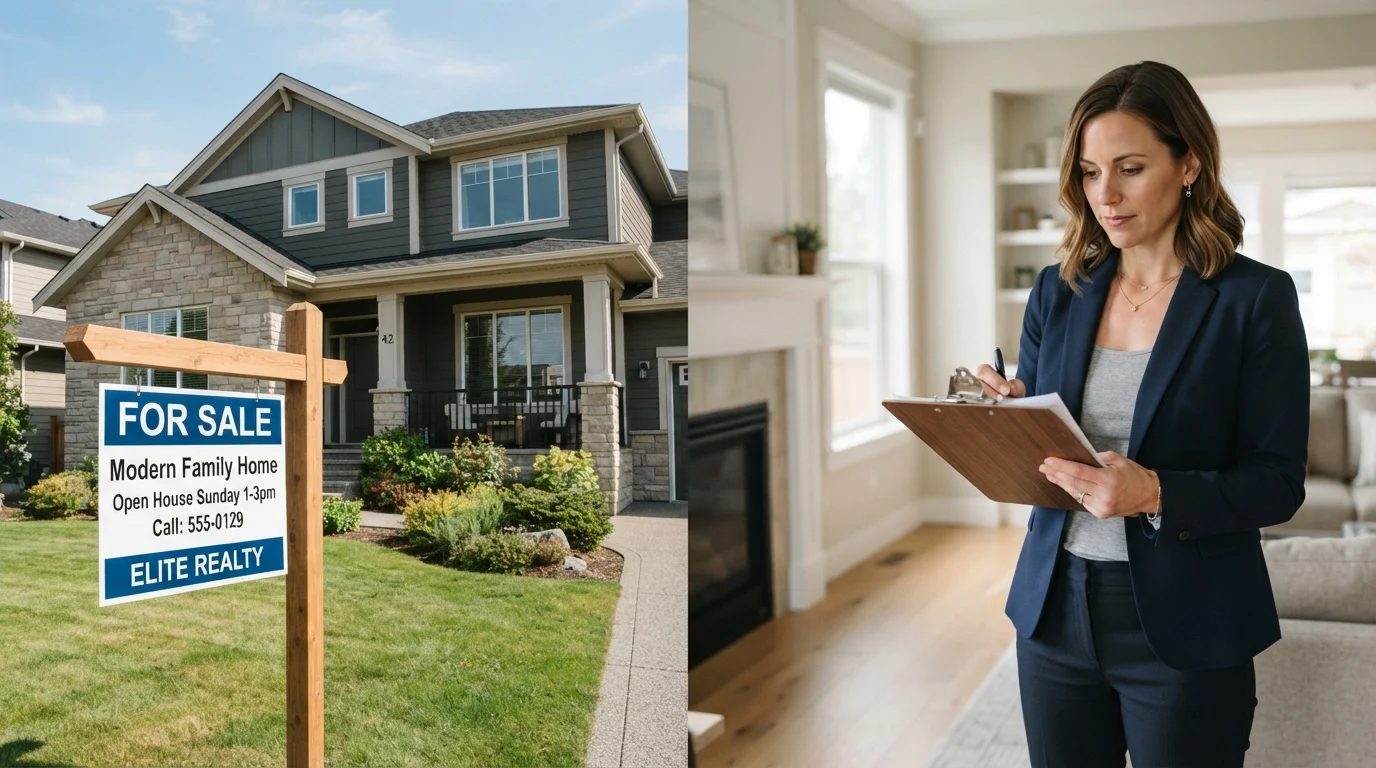
Photo: ScoutAnswers.com | Blogs That Ignite Curiosity editorial
Key Takeaways
- Listing price is set by the seller; appraised value is determined by a licensed, independent appraiser.
- Lenders base mortgage amounts on the appraised value, not the listing or agreed sale price.
- A gap between the two figures can stall or kill a deal if buyer and seller cannot resolve it.
- Sellers can reduce appraisal gaps by pricing strategically and preparing documentation in advance.
- Market conditions - especially in fast-rising markets - are a leading cause of appraisal shortfalls.
What Each Number Actually Represents
A listing price is the amount a seller - usually working with a real estate agent - decides to ask for a property. It reflects the seller's expectations, comparable recent sales, and current market demand. It is, by design, a starting point for negotiation.
An appraised value, by contrast, is a formal estimate of a property's market worth produced by a licensed, independent appraiser. Appraisers follow standardized methodology - examining recent comparable sales (called "comps"), the home's physical condition, square footage, location factors, and any improvements - to arrive at a documented figure.
The critical distinction: listing price is the seller's opinion, while appraised value is a regulated professional assessment that lenders rely on to decide how much they will loan. These two numbers serve different audiences and answer different questions. That is why they often diverge.
| Criterion | Listing Price | Appraised Value |
|---|---|---|
| Set by | Seller (often with agent input) | Licensed independent appraiser |
| Primary purpose | Attract buyers, initiate negotiation | Determine lender's maximum loan amount |
| Methodology | Market intuition, CMAs, seller goals | Standardized comps, property inspection, regulated guidelines |
| Who pays for it | No direct cost (agent service) | Typically the buyer (lender-ordered) |
| Timing in transaction | Before listing | After accepted offer, during financing |
| Can it change? | Yes - price reductions are common | Only via formal reconsideration or new appraisal |
| Effect if numbers diverge | May need to reduce price or negotiate | Caps lender financing; buyer must bridge the gap |
Why the Gap Happens - and Who It Affects
Several forces push listing prices and appraised values apart:
- Rising markets: In fast-appreciating areas, agreed sale prices may outpace the comparable sales data an appraiser is permitted to use - typically sales closed within the past 90 to 180 days. This time lag is a primary driver of appraisal shortfalls.
- Emotional pricing: Sellers often factor in personal investment, renovations, or neighborhood sentiment that appraisers weigh differently or not at all.
- Unique properties: Homes with unusual features, custom finishes, or limited comps are harder to appraise accurately, introducing wider variance.
- Bidding wars: When multiple offers push a contract price above asking, appraisals frequently lag behind the agreed number.
When an appraisal comes in below the contract price, the buyer's lender will typically only finance up to the appraised value. The buyer must then cover the gap in cash, renegotiate the price with the seller, or walk away - assuming the contract includes an appraisal contingency. Understanding all the costs buyers face helps put an appraisal gap in context alongside other transaction expenses.
~7-10%
Estimated share of appraisals coming in below contract price
Industry estimates from appraisal and mortgage research suggest roughly 7 to 10 percent of purchase appraisals return below the agreed contract price, with rates rising during fast-appreciating market periods.
$300-$500
Typical cost of a single-family home appraisal
The Federal Reserve and consumer finance sources generally cite residential appraisal fees in the range of $300 to $500 for standard single-family properties, though complex or rural homes may cost more.
What Sellers Can Do Before the Appraisal
Sellers are not passive in this process. Proactive preparation can reduce the probability of a damaging gap:
- Price with data, not optimism: A well-constructed Comparative Market Analysis anchors your listing price in verifiable sales. Overpricing to "leave room to negotiate" increases appraisal risk significantly.
- Document improvements: Prepare a written list of upgrades - roof replacement, HVAC updates, kitchen remodels - with dates and costs. Appraisers can credit improvements they can verify.
- Present comps yourself: If you and your agent have identified strong recent comparable sales, you may provide these to the appraiser. Appraisers are not obligated to use them, but they may consider legitimate data.
- Dispute errors formally: If the appraisal contains factual errors - wrong square footage, incorrect number of bathrooms - you have the right to request a formal reconsideration of value with documented evidence.
Sellers should also be aware of the broader costs that surface near closing. Our guide to costs sellers rarely anticipate before closing day covers the expenses that often catch sellers off guard beyond the appraisal issue itself.
This article is for general informational and educational purposes only. It does not constitute financial, legal, or real estate advice. Consult a licensed real estate professional or attorney for guidance specific to your transaction and jurisdiction.
The content on this site is for informational purposes only and is not a substitute for professional advice. Always consult a qualified professional for guidance specific to your situation.