
Planning a Trip to Alaska: Timing, Regions, and Practical Realities

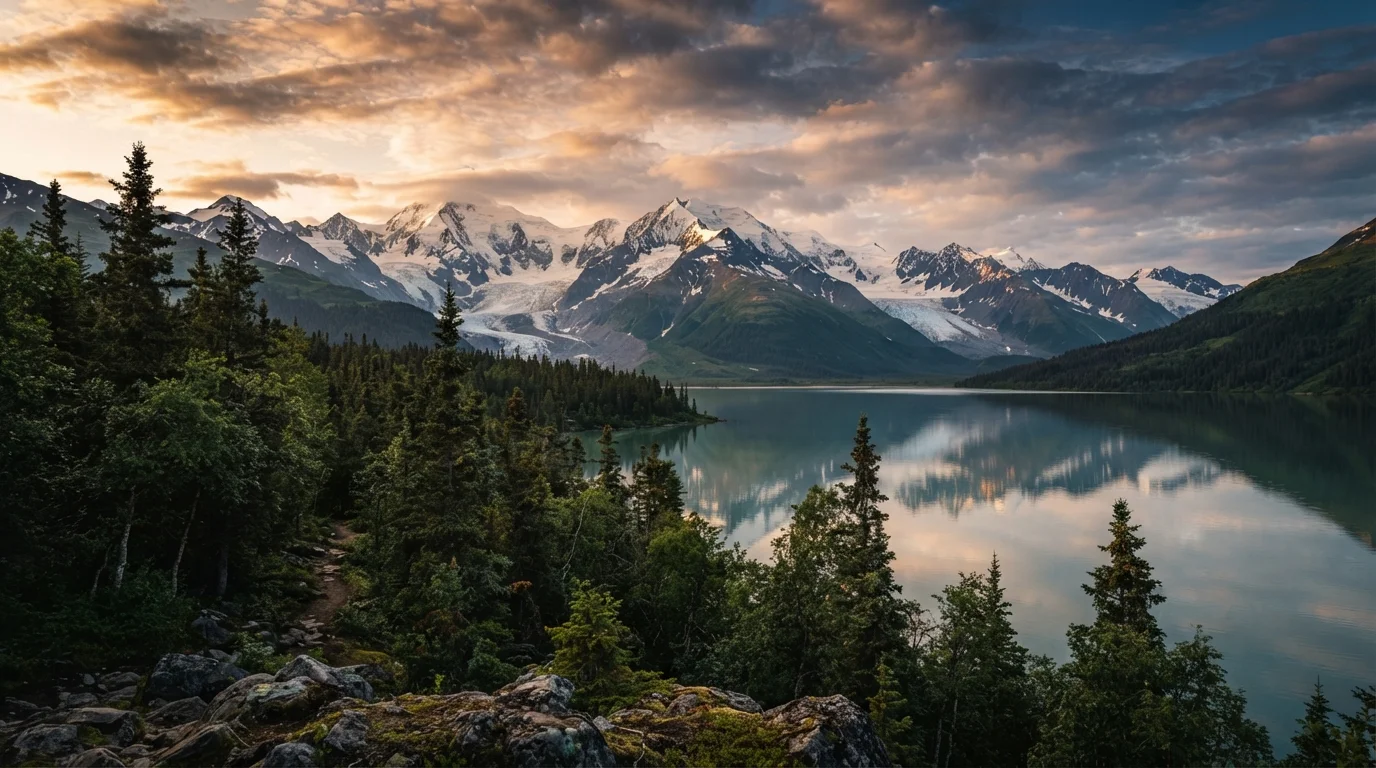
Photo: ScoutAnswers.com | Blogs That Ignite Curiosity editorial
Key Takeaways
- Mid-June through August is the most accessible window for most travelers, but each season has distinct trade-offs.
- Alaska has five distinct travel regions, and each serves different goals - wildlife, glaciers, culture, or wilderness.
- Road access is extremely limited; planning transportation in advance is essential, not optional.
- Costs in Alaska run significantly higher than the US average, especially for food, fuel, and lodging in remote areas.
- Entry requirements, safety conditions, and park reservations should be verified with official sources before booking.
Why Alaska Demands More Planning Than Most Destinations
Alaska is the largest US state by a wide margin - larger than Texas, California, and Montana combined. That scale shapes everything about how you travel there. Infrastructure that Americans take for granted elsewhere - interstate highways, chain hotels, reliable cell coverage - is sparse or absent across much of the state.
This isn't a reason to avoid Alaska. It's a reason to plan it differently. Travelers who treat it like a domestic road trip and book two weeks out often find themselves locked out of sought-after lodges, unable to reach remote parks, or surprised by costs that exceed their budget by a wide margin.
The good news: Alaska is extremely well-suited to structured planning. Seasons are predictable, regions are clearly differentiated, and the logistics - while involved - follow learnable patterns. See our core stages of trip planning for a solid foundation before diving into Alaska-specific details.
When to Go: Seasons, Daylight, and Weather Realities
Alaska's travel calendar divides into four meaningful windows:
- Summer (mid-June-August): The most popular window. Long daylight hours - up to 20+ hours in Fairbanks near the solstice - mean more wildlife activity and access to trails, boats, and floatplanes. This is also when most lodges, tour operators, and park facilities are fully open. Expect the highest prices and the most competition for reservations.
- Shoulder season (May and September): Fewer crowds and lower costs. May brings breakup (snowmelt) and unpredictable road conditions; September sees fall foliage and the first northern lights opportunities. Some services begin closing in September.
- Winter (October-March): A fundamentally different experience - dog sledding, aurora viewing, ice fishing. Daylight is extremely limited. Many visitor services close entirely. This window suits travelers with specific cold-weather goals and solid preparation.
- Spring (April-early May): The quietest and most variable window. Not recommended for first-time visitors without strong wilderness experience.
Book lodges and park bus reservations in Denali at least six months out - for peak July dates, even earlier. Waiting until spring for a summer trip almost guarantees you'll miss your preferred options.
Build at least one weather buffer day into every flight-dependent segment of your Alaska itinerary - especially for bush plane connections to remote parks.
Whatever window you choose, verify current conditions and any required park reservations directly with the National Park Service or Alaska state agencies before finalizing plans.
Alaska's Key Regions and What Each Offers
Alaska is often discussed as a single destination, but it functions more like five distinct travel zones:
- Southcentral (Anchorage, Kenai Peninsula, Matanuska-Susitna Valley)
- Home to Alaska's largest city and its best-developed tourism infrastructure. Kenai Fjords National Park offers glacier and marine wildlife experiences accessible by day trip from Seward. This is the most practical entry point for most first-time visitors.
- Interior (Denali, Fairbanks)
- Denali National Park - home to North America's tallest peak - anchors this region. A single road penetrates the park, and access beyond the first 15 miles requires a bus reservation. Fairbanks is the hub for northern lights viewing in winter.
- Southeast (Juneau, Ketchikan, Sitka)
- The Alaska Panhandle. Accessible primarily by air or ferry - no road connections to the rest of the state. Heavily forested, rainy, and culturally rich with significant Alaska Native heritage. A common cruise itinerary region.
- Southwest (Kodiak, Katmai, Lake Clark)
- Remote and expensive to access. Katmai National Park is the premier destination for viewing brown bears catching salmon - typically July and September. Almost all access is by small aircraft.
- Arctic (Gates of the Arctic, Kobuk Valley, Utqiaġvik)
- True wilderness. No roads. No visitor facilities in the parks themselves. Suitable only for experienced backcountry travelers with self-sufficiency skills.
Getting Around: Transportation Realities
Alaska has approximately 14,000 miles of roads - a small fraction relative to its size. The primary road corridor runs from the Canadian border (via the Alaska Highway) through Anchorage to Fairbanks. Beyond that corridor, road access drops off sharply.
Don't Underestimate Alaska's Road Limitations
Key realities to build your transportation plan around:
- Flying is often the only option. Over 80% of Alaskan communities have no road access. Small bush planes and regional carriers connect remote areas but add significant cost and weather-dependent uncertainty.
- The Alaska Marine Highway System operates ferries connecting coastal communities in Southeast and Southcentral Alaska. This is a scenic, affordable alternative to flying for those with time flexibility - but verify current schedules and routes directly with the system before planning around it.
- Rental vehicles are available in Anchorage and Fairbanks, but policies on unpaved roads vary widely by company. Read contract terms carefully if you plan to drive the Dalton Highway or other gravel roads.
- The Alaska Railroad connects Seward, Anchorage, Talkeetna, and Fairbanks - a practical and scenic option for the interior corridor.
For help structuring daily movement that accounts for Alaska's distances, our guide on building an itinerary that leaves room to breathe is directly applicable here.
Practical Considerations Before You Book
Several factors catch Alaska-bound travelers off guard:
- Cost: Food, fuel, and accommodation in remote areas frequently run 30-60% higher than mainland US averages. Build this into your budget from the start.
- Cell coverage: Major carriers have reliable coverage in Anchorage and along the primary road corridor. Outside that, expect gaps. Download offline maps (and park information) before leaving populated areas.
- Wildlife safety: Encounters with bears, moose, and other large mammals are real possibilities. Carry bear spray in bear country, know how to use it, and follow Leave No Trace principles. Follow all current guidance from Alaska State Parks and the National Park Service.
- Health and emergency preparedness: Medical facilities are limited or absent in rural areas. Travel insurance with medical evacuation coverage is worth serious consideration - consult a licensed insurance professional to understand your options.
- Permits and reservations: Denali's park bus system, remote cabins, and popular fishing spots often require advance reservations. Some fill months ahead. Check recreation.gov and the relevant agency websites early.
Our pre-trip readiness checklist covers documents, health prep, and packing essentials that apply directly to an Alaska trip. And if you're considering going solo, the solo travel planning guide addresses remote-destination safety and communication strategies that are especially relevant here.
This article provides general travel information only. Conditions, prices, regulations, and access may change. Always verify entry requirements, safety advisories, and reservation details with official government and park sources before traveling.
The content on this site is for informational purposes only and is not a substitute for professional advice. Always consult a qualified professional for guidance specific to your situation.