
Traveling the American South: Cultural Context Every Visitor Should Understand

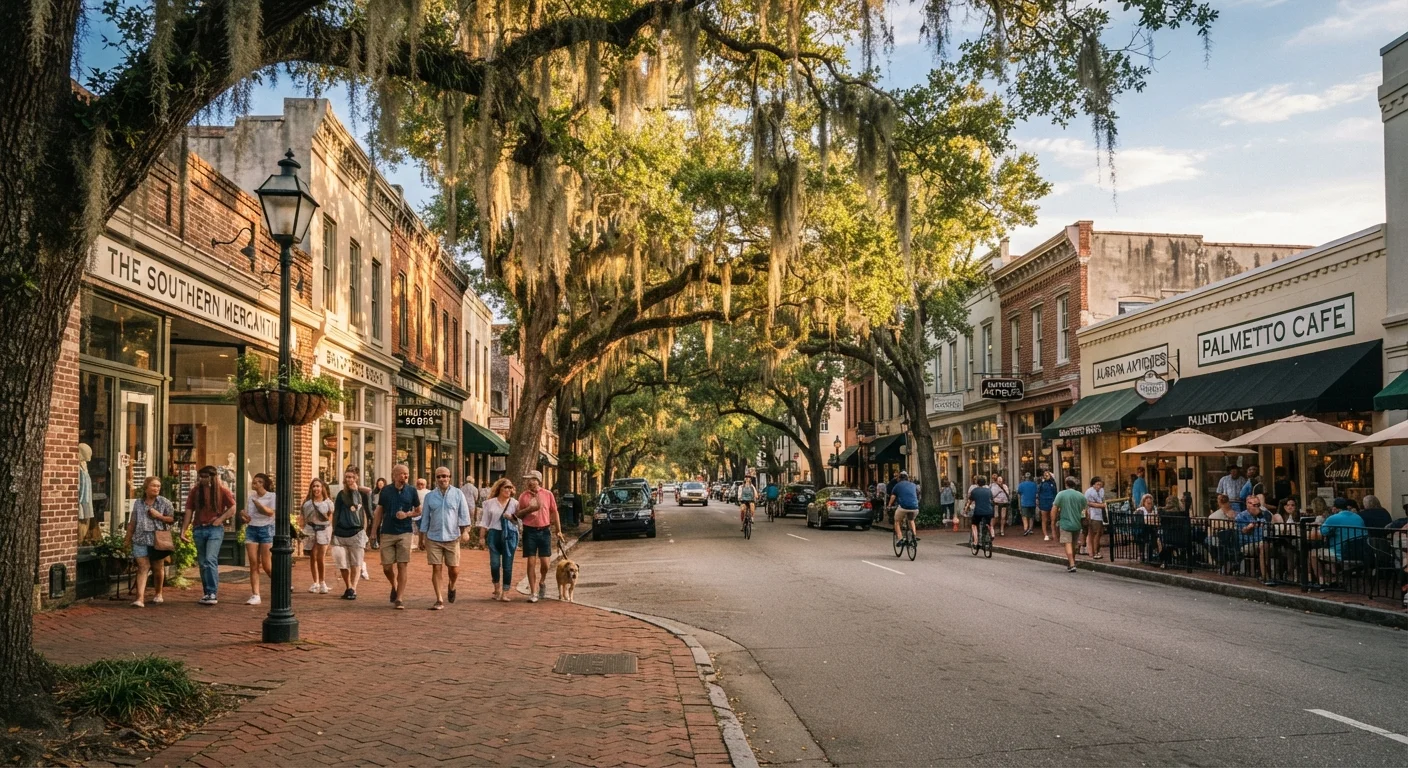
Photo: ScoutAnswers.com | Blogs That Ignite Curiosity editorial
Key Takeaways
- The American South is not a monolith - coastal, Appalachian, Gulf, and urban subregions each have distinct identities.
- Much of the South's visible history is bound up with slavery and segregation; engaging with this honestly enriches the trip.
- Southern hospitality is real, but it exists alongside complex social codes that visitors often misread.
- Food, music, and faith are not just tourism draws - they're living cultural expressions with deep community roots.
- Seasonal heat and rural distances require practical planning that many first-time visitors underestimate.
The South Is a Region, Not a Single Identity
One of the most persistent mistakes visitors make is treating the American South as a uniform place. It isn't. The region spans over a dozen states and encompasses the low-country coasts of South Carolina and Georgia, the Mississippi Delta flatlands, the Appalachian highlands of Tennessee and North Carolina, the Gulf Coast from Louisiana to the Florida Panhandle, and the sprawling cities of Atlanta, Houston, and Charlotte. Each subregion has its own dialect patterns, culinary traditions, religious character, and racial and ethnic demographics.
New Orleans, for instance, has a Creole and Caribbean cultural lineage that sets it meaningfully apart from, say, rural Alabama or the Research Triangle of North Carolina. Assuming all Southern culture works the same way leads to missed experiences and, occasionally, social missteps. Before you plan an itinerary, it helps to decide which part of the South you're actually visiting - and research it specifically. Our guide on building a well-planned trip walks through how destination research fits into a broader planning process.
11
States commonly included in the US South
The US Census Bureau defines the South as 16 states, while many cultural definitions use a narrower grouping - illustrating how contested even basic regional boundaries are.
~57%
Share of African Americans living in the South
According to US Census data, a majority of Black Americans live in Southern states, making the region central to understanding African American history and culture.
Over 100
National Park Service sites in the South
The NPS maintains more than 100 designated units across Southern states, ranging from Civil War battlefields to civil rights landmarks to natural areas.
History That's Still Present
The South's history of slavery, the Civil War, Reconstruction, and the Civil Rights Movement is not background trivia - it actively shapes the communities, landscapes, and institutions visitors encounter today. Plantation homes, Confederate monuments, historically Black colleges and universities (HBCUs), and Civil Rights landmarks often sit within miles of each other. Understanding what you're looking at requires knowing who built it, under what conditions, and whose story it tells.
Many visitors focus on antebellum architecture without reckoning with the enslaved labor that produced it. Others seek out Civil Rights sites without appreciating that the movement had local, grassroots roots that extended far beyond the famous names. Interpretive signage varies widely in accuracy and framing - supplementing your visit with books, podcasts, or audio guides curated by historians and community members is worthwhile.
“History, despite its wrenching pain, cannot be unlived, but if faced with courage, need not be lived again.”
— Maya Angelou, Poet, memoirist, and civil rights advocate
This is also a region where memory is contested. Public debates over monuments, historical markers, and museum narratives are ongoing. Traveling with that awareness - rather than treating it as controversy to avoid - will make your experience more honest and more valuable.
Food, Music, and Faith as Living Culture
Southern food, music, and religious life are frequently packaged for tourists, but they're not primarily tourist products - they're expressions of community identity with specific origins and meanings. Barbecue styles differ sharply across the region and carry genuine local pride; the difference between whole-hog Carolina 'cue and Texas brisket is not trivial to the people who make them. Similarly, blues music is rooted in the African American experience of the Mississippi Delta, not merely a genre label. Attending a juke joint performance or a Delta blues museum is a different experience when you understand that lineage.
Religious observance is more publicly visible in the South than in many other US regions. Sunday mornings genuinely slow down in smaller towns. Faith communities - Black Baptist churches, rural Pentecostal congregations, Catholic parishes in Louisiana - are often pillars of local identity and history. If you're invited to attend a service as a guest, approach it with the same respect you'd give any cultural or sacred site.
Practical Realities Visitors Often Underestimate
Beyond cultural context, a few logistical facts shape Southern travel in ways that aren't always obvious from the outside. Summer heat is genuinely intense across most of the region - temperatures regularly exceed 90°F with high humidity in July and August, and outdoor activities planned without accounting for this can become uncomfortable or, for vulnerable travelers, dangerous. Carry water, plan indoor midday stops, and take heat warnings seriously.
Rural distances are another planning factor. The South has vast stretches of countryside between towns, and cell service in some areas remains spotty. If you're road-tripping through the region - which is often the most rewarding way to see it - download offline maps and check fuel stops in advance. Our road trip vs. fly-and-explore comparison can help you think through the format that fits your trip.
Finally, verify entry requirements, local ordinances, and seasonal conditions through official state and local sources before you travel. Conditions on the ground change, and no article - including this one - substitutes for current, official information.
Frequently Asked Questions
The content on this site is for informational purposes only and is not a substitute for professional advice. Always consult a qualified professional for guidance specific to your situation.