
Jet Lag Is Real - Here's What the Science Says About Managing It

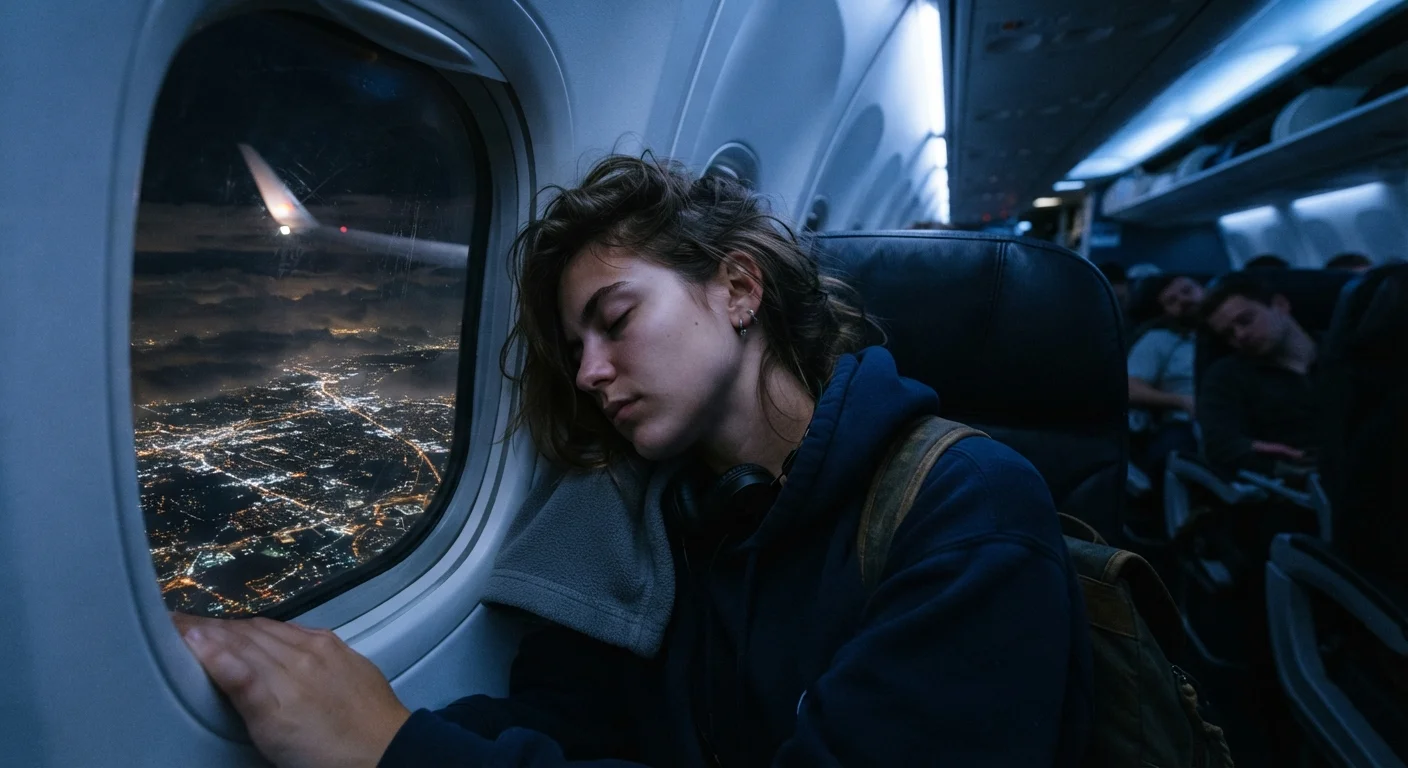
Photo: ScoutAnswers.com | Blogs That Ignite Curiosity editorial
Key Takeaways
- Jet lag is a genuine physiological condition caused by circadian rhythm disruption, not just tiredness.
- Eastward travel typically causes more severe jet lag than westward travel for most people.
- Light exposure and meal timing are among the most research-supported tools for resetting your internal clock.
- Melatonin may help, but dosage and timing matter more than most travelers realize.
- Alcohol and sleeping pills on flights often worsen jet lag rather than relieve it.
What Jet Lag Actually Is
Jet lag - formally called circadian rhythm sleep-wake disorder - occurs when your body's internal clock is out of sync with the local time at your destination. Your circadian rhythm regulates sleep, hunger, hormone release, and body temperature on roughly a 24-hour cycle. Cross enough time zones quickly, and that cycle becomes misaligned with the environment around you.
This isn't a vague feeling of being tired after a long flight. Symptoms include difficulty falling or staying asleep, daytime fatigue, difficulty concentrating, digestive disruption, and mood changes - all with a measurable biological basis. Research published in journals studying sleep medicine consistently identifies circadian disruption as the underlying mechanism, not simply travel exhaustion or dehydration.
The severity depends on several factors: how many time zones you've crossed, the direction of travel, your age, and your individual circadian flexibility. Crossing two time zones rarely causes notable jet lag; crossing six or more almost always does. If you're weighing whether the physical toll of long-haul flying factors into your trip format, our comparison of road trips and flying covers that trade-off in detail.
Myth
Drinking alcohol on the plane helps you sleep and recover faster from jet lag.
Fact
Alcohol disrupts sleep architecture and tends to worsen jet lag symptoms, not relieve them.
Alcohol may help some people fall asleep initially, but it suppresses REM sleep - the restorative stage most important for cognitive recovery. In-flight alcohol also contributes to dehydration, which amplifies fatigue. Studies on sleep quality consistently show that alcohol-induced sleep is lighter and less restorative than natural sleep, making it counterproductive for circadian recovery.
Myth
Eastward and westward jet lag are equally difficult to recover from.
Fact
Eastward travel - which requires advancing your internal clock - is generally harder to recover from than westward travel.
The human circadian clock naturally runs slightly longer than 24 hours for most people, making it easier to delay sleep (as westward travel requires) than to advance it (as eastward travel demands). This is why a New York-to-London flight often feels harder to recover from than a London-to-New York return. Individual variation exists, but this directional asymmetry is well-documented in sleep research.
Myth
Taking a high dose of melatonin will reset your clock quickly.
Fact
Lower doses of melatonin, timed correctly, are more effective than higher doses for circadian adjustment.
Melatonin is a hormone that signals darkness to the brain, not a sedative. Research suggests that smaller doses - often cited in studies at 0.5 mg to 3 mg - may be as effective or more effective than the 5-10 mg doses sold over the counter in the US. Timing matters significantly: taking melatonin at the destination's local bedtime, rather than at departure or on the plane, is typically the approach studied in clinical contexts. Always consult a healthcare provider before using melatonin, especially if you take other medications or have underlying health conditions.
Myth
Staying up all night before an early flight helps pre-adapt your body.
Fact
Sleep deprivation before travel generally worsens jet lag recovery, not improves it.
Arriving at your destination already sleep-deprived means your body is managing two overlapping stressors: accumulated sleep debt and circadian misalignment. This typically prolongs symptoms rather than shortening them. Gradual pre-travel sleep schedule shifts - going to bed and waking 30-60 minutes earlier or later each day for a few days - are a more studied approach, though the practical benefits depend on how many time zones you're crossing.
Myth
Jet lag only affects sleep - other symptoms are just in your head.
Fact
Jet lag has measurable effects on digestion, cognitive function, mood, and immune response.
The circadian system regulates far more than sleep. Gastrointestinal function, appetite hormones, immune cell activity, and cognitive processing speed all follow circadian patterns. Disrupting that rhythm affects all of them to varying degrees. Travelers frequently report reduced appetite, digestive irregularity, and difficulty with memory or concentration - these are real physiological effects, not psychosomatic ones.
What the Research Actually Supports
Several strategies have meaningful scientific backing for reducing jet lag severity. Understanding which tools work - and how to use them correctly - makes a real difference.
~1 day
Recovery time per time zone crossed
A commonly cited clinical guideline suggests roughly one day of adjustment per time zone crossed, though individual recovery varies considerably.
6+
Time zones before significant jet lag is almost universal
Sleep researchers generally consider crossings of six or more time zones reliably disruptive for the vast majority of travelers.
Light exposure is the most powerful external cue for resetting the circadian clock. Morning light at your destination helps your body shift earlier (useful after eastward travel); evening light helps shift later (useful after westward travel). Avoiding bright screens and overhead lighting in the hours before your destination's local bedtime reinforces the shift.
Meal timing also influences circadian cues. Eating at times that align with your destination's meal schedule - even before you arrive - can help your body begin adjusting. Some travelers find that adopting destination meal times a day or two early reduces the severity of adjustment on arrival.
Strategic sleep on the plane matters too. If you're arriving in the morning, try to sleep during the flight if it covers the destination's nighttime hours. If you arrive in the evening, staying awake during the flight and pushing through to local bedtime tends to accelerate adaptation.
Sleeping Pills on Flights Have Trade-Offs
Planning your first full day thoughtfully also helps. Avoid scheduling demanding activities on arrival day when crossing many time zones - building in flexibility reduces both physical and logistical stress. Our guide on building itineraries that leave room to breathe offers a practical framework for this.
If you want to avoid compounding jet lag with poor pre-trip planning, it's worth reading about why trips go sideways before they even start - many of those mistakes put travelers in a worse position to handle physical adjustment.
The content on this site is for informational purposes only and is not a substitute for professional advice. Always consult a qualified professional for guidance specific to your situation.