
How Far Ahead Should You Actually Book?

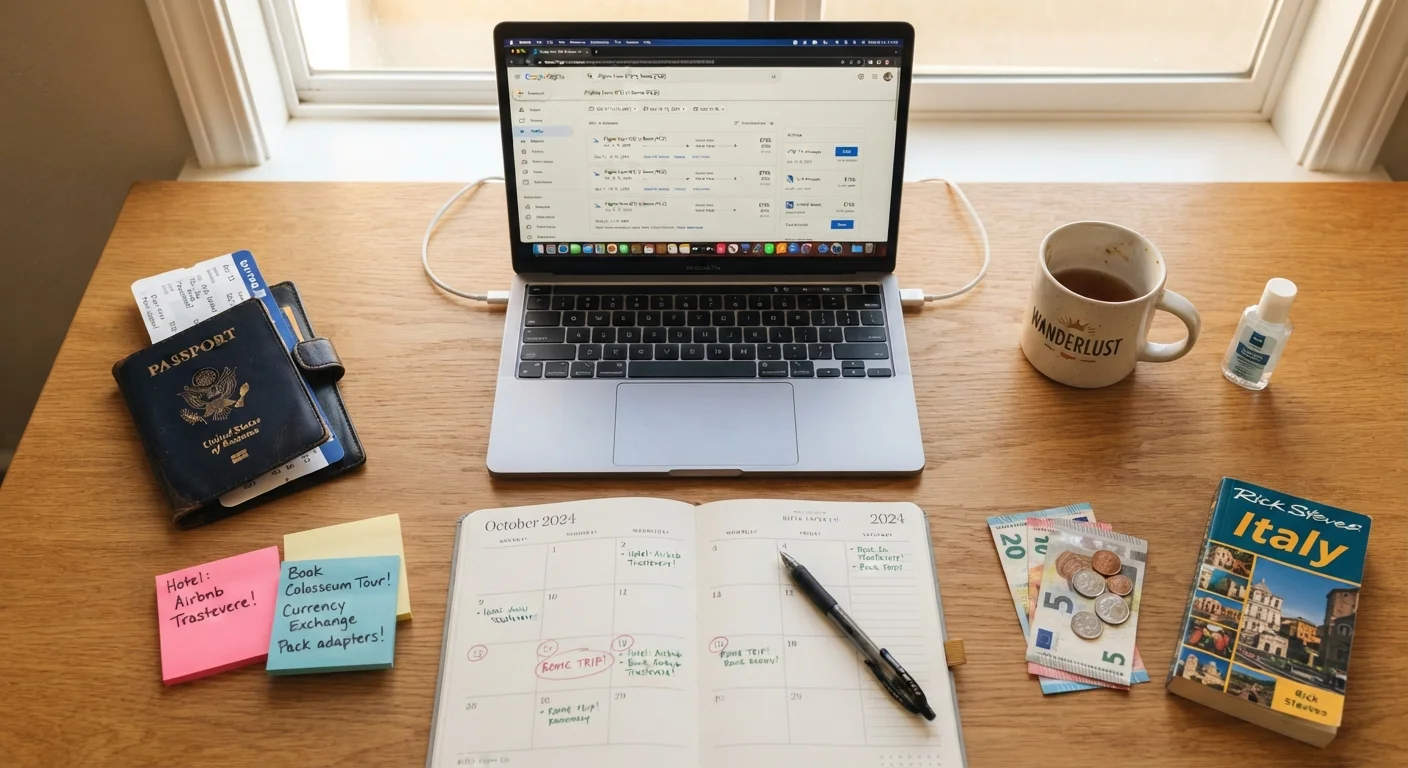
Photo: ScoutAnswers.com | Blogs That Ignite Curiosity editorial
Key Takeaways
- Flights to popular destinations generally benefit from being booked 1-3 months in advance for domestic and 3-6 months for international.
- Peak travel seasons - summer, major holidays - compress the ideal booking window significantly.
- Hotels often have more flexible cancellation policies than flights, so booking early carries less risk.
- Guided tours and small-group experiences frequently sell out months ahead and deserve the earliest attention.
- Last-minute deals exist but are unpredictable - building a trip around them is risky.
- Your trip type (leisure, adventure, cruise, family) should heavily influence how early you start booking.
Why There's No Single Right Answer
"Book early" is common travel advice - but how early depends on variables most generic guidance glosses over. The right booking window for a summer road trip to a national park is completely different from what works for a December river cruise in Europe or a last-minute weekend getaway. Getting this wrong is one of the most common ways trips go sideways before they start.
Understanding booking windows means recognizing that flights, hotels, and experiences each operate under their own supply-and-demand dynamics. Treating them as one category leads to planning gaps.
1-3 months
Common domestic flight booking window
Frequently cited by consumer travel research as the range where domestic availability and pricing tend to be reasonable.
3-6 months
Suggested international flight booking lead time
Generally recommended for popular international routes, with peak-season travel warranting the earlier end of this range.
6-12 months
Typical early booking window for cruises
Preferred cabin categories and itineraries on popular cruise lines tend to fill well in advance of sailing dates.
Flights: Where Timing Matters Most
Airline pricing is dynamic - seats on the same flight shift in price based on how many remain and how close the departure date is. As a general framework used by many travel researchers and consumer advocates:
- Domestic flights: Booking one to three months out is a reasonable target. Booking much further ahead often doesn't yield better prices and limits flexibility.
- International flights: A three-to-six month window is commonly cited as practical, with popular routes or high-demand seasons pushing toward the earlier end.
- Peak travel periods (summer, Thanksgiving, spring break): Compress all of these timelines. If you're traveling over a major holiday, treat six months as a starting point for searches, not a deadline.
Keep in mind: booking earlier reduces the chance of being shut out entirely, which has real value even if the fare isn't the theoretical lowest.
Hotels and Accommodations: Early but Flexible
Hotels generally carry less booking-window risk than flights because many offer free cancellation - meaning you can lock in a room early and revisit if your plans shift. That said, not all properties work this way.
Boutique hotels, resort destinations, and accommodations in smaller towns can sell out well in advance, particularly for popular travel periods. A reasonable approach:
- Book refundable accommodations early to hold your dates, then reassess closer in.
- For non-refundable rates - which often appear cheaper - only book when you're confident in your plans.
- If your trip is built around a specific property type (a treehouse rental, a specific lodge near a park), treat it with the same urgency as a flight.
This connects directly to the overall structure of a well-planned trip - accommodations and flights anchor everything else.
Use Refundable Rates as a Planning Placeholder
Tours, Permits, and Experiences: Book These First
This is the category most travelers underestimate. Small-group tours, guided hikes, popular museum time slots, national park entry permits, and culinary experiences often operate with strict capacity limits. Some sell out three to six months in advance - or more.
If a specific experience is a non-negotiable part of your trip, book it before the hotel and sometimes before the flight. You can build your dates around it, but you can't build the experience in if it's gone.
For trips where flexibility matters more than specific activities, see our guide to flexible versus fixed itinerary planning - it helps clarify when a looser approach actually works better.
How Trip Type Should Shape Your Timeline
Your overall trip design - not just the destination - should drive your booking sequence. A structured approach like the one outlined in this pre-trip planning framework can help you decide what to secure first and what can wait.
As a general guide:
- Cruise trips
- Book six to twelve months out. Cabins at preferred price tiers and popular sailings fill early.
- Adventure/trekking trips
- Permits and guided slots are the priority. Start six to nine months ahead for popular routes.
- City breaks (leisure)
- Two to four months is usually workable unless you're traveling during a major local event or festival.
- Family vacations with young children
- Earlier is almost always better - availability narrows when you need specific room configurations or connecting flights.
When budgeting also shapes your timing decisions, it's worth reading about planning a trip around a budget versus building a budget around a trip - the approach you take affects when committing money makes sense.
Travel availability, pricing, and booking conditions vary widely by provider, destination, and timing. Always verify current entry requirements, cancellation policies, and permit processes with official sources before making commitments.
Frequently Asked Questions
The content on this site is for informational purposes only and is not a substitute for professional advice. Always consult a qualified professional for guidance specific to your situation.