
Car Buying Glossary: Key Terms Decoded

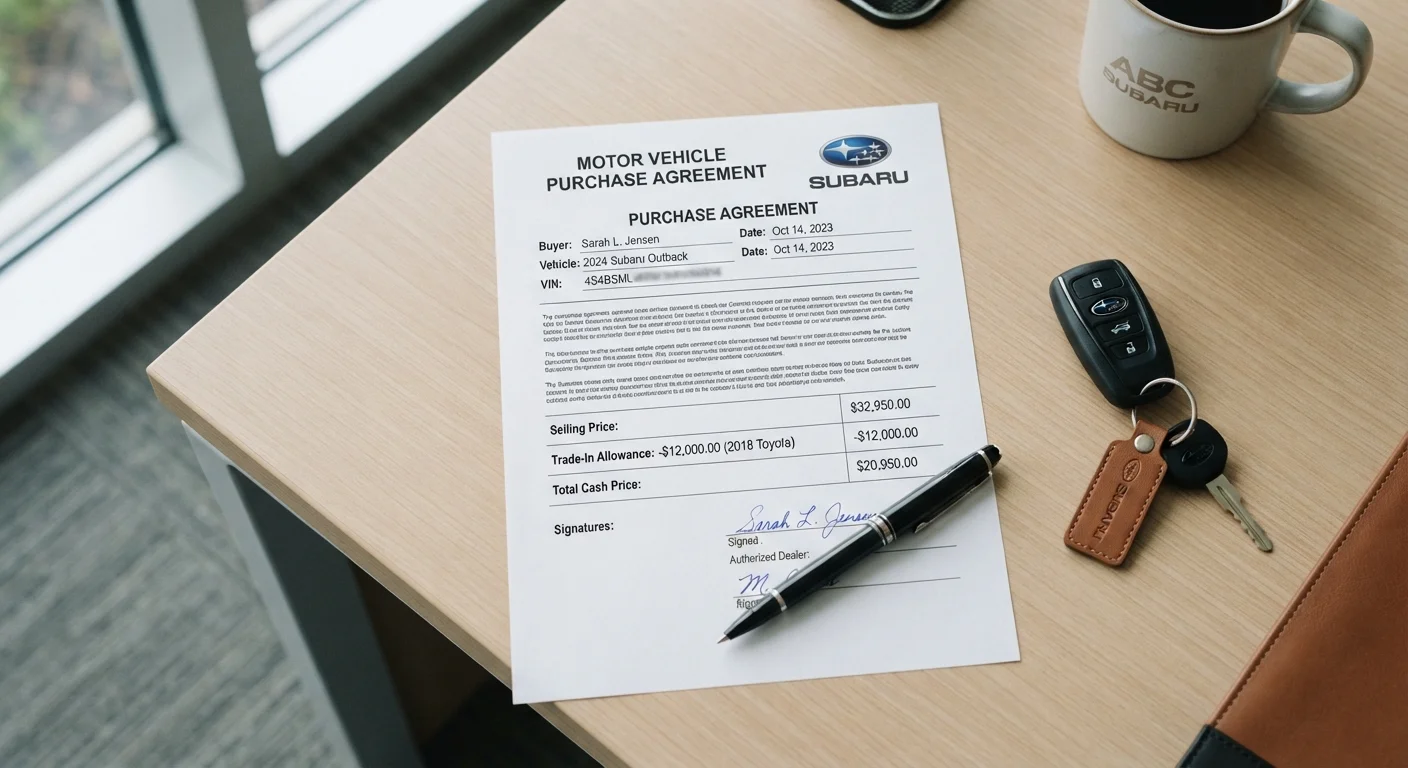
Photo: ScoutAnswers.com | Blogs That Ignite Curiosity editorial
Why Car-Buying Language Matters
Walking into a dealership or reviewing a lease agreement without knowing the terminology puts you at a significant disadvantage. Terms like money factor, capitalized cost, and dealer holdback are standard in automotive transactions but rarely explained upfront. This glossary decodes the language you're most likely to encounter - whether you're financing a purchase, negotiating a lease, or trading in a vehicle.
For a broader look at financial vocabulary that applies beyond the lot, see our guide to debt and savings terms. And if you're working through the actual paperwork after a deal, our article on car sale documents walks through each form and its purpose.
Financing Terms You Need to Recognize
Financing is where uninformed buyers most often pay more than necessary. A few key concepts to lock in before entering the F&I office:
| Typical doc fee range | $100-$900+ (Varies by state and dealership) |
| Money factor conversion to APR | Multiply by 2,400 (Standard industry conversion formula) |
| GAP insurance applies when | Vehicle is totaled or stolen (General industry definition) |
| Dealer holdback typical range | 1%-3% of MSRP (Common industry range; varies by manufacturer) |
| Negative equity trigger | Loan balance exceeds vehicle value (General financial definition) |
APR is the single most useful number for comparing loan offers - not the monthly payment, which can be stretched to look smaller by extending the loan term. A lower monthly payment over 84 months can cost significantly more in total interest than a higher payment over 60 months.
Negative equity from a previous loan is sometimes rolled into a new vehicle loan, increasing the amount financed and the total cost. Be cautious about this practice. If you're comparing a lease to a purchase, our explainer on how leasing and buying actually work covers both financing structures side by side.
F&I Add-Ons: Know Before You Go
Pricing and Negotiation Terms
Understanding the difference between MSRP, invoice price, and dealer holdback changes how you frame a negotiation. The invoice price is commonly treated as the floor, but because manufacturers rebate a portion back to the dealer through holdback, the true breakeven for the dealer is often lower than the invoice suggests.
Trade-in value should be researched independently before visiting a dealership. Knowing a realistic private-party value for your current vehicle helps you evaluate whether a dealer's trade-in offer reflects fair market conditions. Presenting the trade-in separately from the new vehicle negotiation often gives you more transparency into each transaction.
Dealer fees and doc fees vary considerably. Some states cap them; others do not. Always ask for an itemized out-the-door price that includes all fees, taxes, and charges before agreeing to terms. For related vocabulary used in other major financial transactions, the housing market terms glossary covers many parallel concepts that apply when buying property.
The content on this site is for informational purposes only and is not a substitute for professional advice. Always consult a qualified professional for guidance specific to your situation.