
The Paperwork Involved in a Car Sale and What Each Document Does

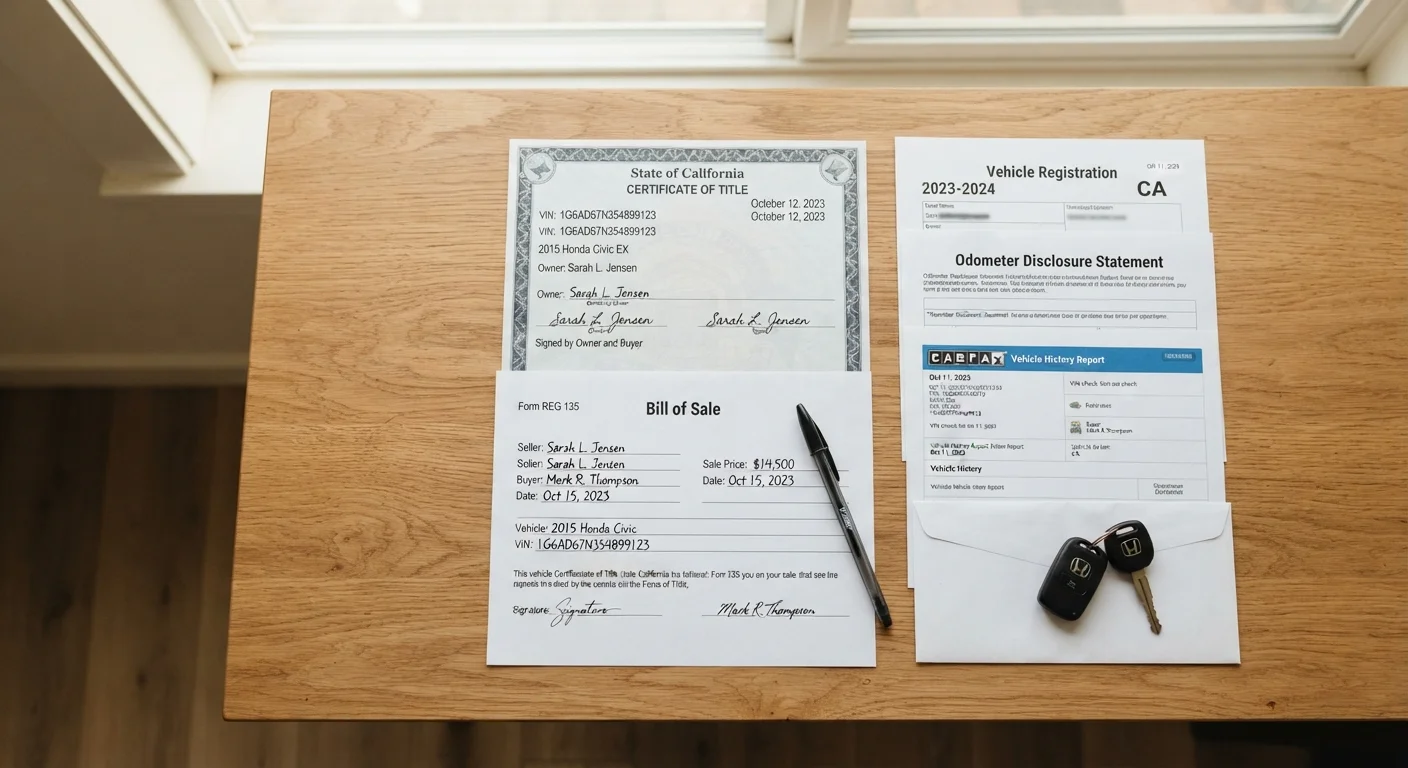
Photo: ScoutAnswers.com | Blogs That Ignite Curiosity editorial
Why Car Sale Paperwork Matters
Selling or buying a car involves more than handing over keys and cash. A set of legal documents transfers ownership, establishes what was agreed upon, and protects both parties if a dispute arises later. Missing or incorrectly completed paperwork can leave a seller on the hook for parking tickets or accidents tied to a vehicle they no longer own - and leave a buyer unable to register the car in their name.
The exact documents required vary by state, but several core forms appear in nearly every transaction. Whether you're completing a private-party deal or going through a dealership, understanding what each document does is essential. See our full arc of a car transaction for broader context on how these documents fit into the overall process.
The Core Documents in a Car Sale
Certificate of Title
The title is the most important document in any vehicle sale. It is the legal proof of ownership issued by the state's motor vehicle agency. To transfer ownership, the seller must sign the back of the title, fill in the buyer's name and address, and record the sale price and odometer reading where required. A title that has been salvaged, rebuilt, or branded in any way must reflect that status - concealing it is illegal.
Bill of Sale
A bill of sale is a written record of the transaction terms: the vehicle's year, make, model, VIN, sale price, and the date of sale. Many states accept or require a standardized form, while others permit a privately drafted document. Even where not legally mandated, a bill of sale protects both parties by documenting what was agreed. Sellers should retain a copy.
Odometer Disclosure Statement
Federal law under the Truth in Mileage Act requires sellers to provide a written odometer disclosure for most vehicles under ten years old. This statement certifies the recorded mileage and whether the seller has any knowledge that the odometer has been tampered with or rolled back. In many states, this disclosure is printed directly on the back of the title. Falsifying mileage is a federal offense.
Release of Liability
A release of liability (also called a notice of transfer) is filed with the state DMV by the seller immediately after the vehicle changes hands. It formally notifies the state that the seller is no longer responsible for the vehicle. This is critical: without it, the seller can be held liable for traffic violations, tolls, or even accidents that occur after the sale. Most states allow online submission. For a complete preparation checklist, see what to do before you list your car.
Lien Release
If the seller financed the vehicle, the lender holds a lien against the title. Before a clean title can be issued to the buyer, that lien must be formally released. The lender provides a lien release letter once the loan is paid off, and the seller may need to apply for a new, lien-free title from the DMV before completing the sale.
Dealer Sales vs. Private-Party Transactions
Dealership transactions typically involve additional paperwork managed in the finance office: a retail installment contract if financing is involved, GAP insurance agreements, extended warranty contracts, and a buyer's order detailing every charge. Buyers should review each of these line by line before signing. Unfamiliar terms in these forms are explained in our car buying glossary.
Private-party sellers, by contrast, handle paperwork themselves. Both seller and buyer should verify the VIN on all documents matches the VIN plate visible through the windshield and on the door jamb. Discrepancies are a red flag. For a step-by-step walkthrough of the private sale process, including how to handle paperwork handoff, see selling your car yourself.
This article is for general informational purposes only. Document requirements vary by state. Consult your state's DMV website or a qualified legal professional to confirm the specific forms required in your jurisdiction.
The content on this site is for informational purposes only and is not a substitute for professional advice. Always consult a qualified professional for guidance specific to your situation.