
Buying & Selling Cars

What to Do Before You List Your Car for Sale

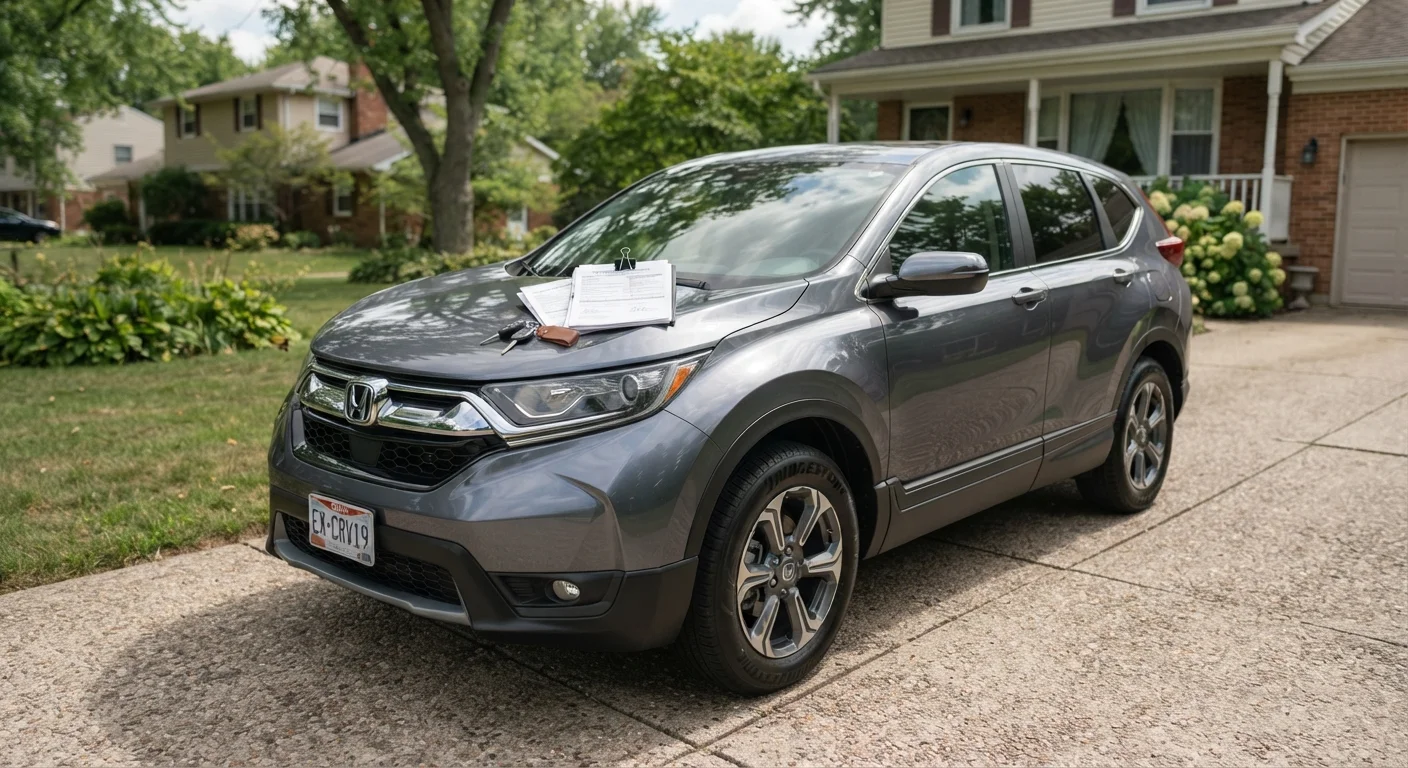
What to Do Before You List Your Car for Sale

Photo: ScoutAnswers.com | Blogs That Ignite Curiosity editorial

A practical checklist covering documentation, cosmetic prep, pricing research, and safety steps before posting your vehicle.

Key Takeaways

  • Gathering your title and service records before listing prevents delays during the sale.
  • A thorough interior and exterior cleaning meaningfully improves buyer first impressions.
  • Accurate pricing research based on condition, mileage, and market data protects you from undervaluing your vehicle.
  • Disclosing known mechanical issues upfront reduces legal risk and builds buyer trust.
  • Basic safety steps — like verifying your release of liability — protect you after the car changes hands.

Why Pre-Listing Preparation Matters

Listing a car for sale without preparation is one of the most common mistakes private sellers make. Buyers — especially savvy ones — notice gaps in documentation, deferred maintenance, and vague pricing almost immediately. Those red flags slow down inquiries, invite lowball offers, and can cause deals to fall apart at signing.

The good news: a structured pre-listing process typically takes only a few hours and can make a measurable difference in how quickly and smoothly your vehicle sells. This checklist walks you through every category you should address before your first photo goes live. For a broader look at what the entire selling process involves, see our step-by-step private sale walkthrough.

Documentation

Locate your vehicle title and confirm your name matches the registration — a mismatched title can block the sale entirely. Must
Gather all available service records, receipts, and inspection reports to demonstrate maintenance history. Should
Obtain a vehicle history report (such as through Carfax or AutoCheck) so you know what buyers will likely see. Should
Note your exact odometer reading and write it down — you will need this for the odometer disclosure statement at closing. Must
Check your state's DMV requirements for a release of liability form so you are protected if the buyer causes an incident before re-registering. Must

Mechanical & Safety Assessment

Check that all dashboard warning lights are off; if a check engine light is on, have the code read so you can disclose the issue accurately. Must
Inspect tire tread depth and pressure, and note any tires that are near the end of their service life. Should
Verify that all exterior lights — headlights, brake lights, turn signals, and reverse lights — are functioning correctly. Should
Check fluid levels (oil, coolant, brake fluid, transmission fluid) and top off or note any that require service. Should
Consider a pre-sale inspection by an independent mechanic to surface any issues before a buyer's inspection does — see how pre-purchase inspections work. Nice to have

Cosmetic Preparation

Thoroughly clean the interior: vacuum seats and carpet, wipe down all surfaces, and remove all personal belongings. Must
Wash and dry the exterior, including wheels and wheel wells, to present the vehicle in its best condition. Must
Address minor cosmetic issues — touch up small paint chips, replace cracked trim pieces, and clean fogged headlight lenses if possible. Should
Consider a professional detail if the vehicle has significant staining, odors, or heavy wear that a standard cleaning won't resolve. Nice to have

Pricing Research

Research your vehicle's current private-party market value using multiple valuation tools — values vary by source, condition grade, and regional demand. Must
Compare active local listings for the same make, model, year, and mileage range to understand what buyers in your area are actually seeing. Must
Set a realistic asking price that accounts for your vehicle's condition, mileage, any known issues, and a small margin for negotiation. Must
Decide in advance what your walk-away price is so you are not pressured into an unfavorable deal during negotiations. Should

Listing Readiness

Photograph the vehicle in good natural light, covering all exterior angles, the interior, dashboard, trunk, and any notable features or flaws. Must
Write an accurate, specific description including year, make, model, trim, mileage, transmission type, notable options, and any known issues. Must
Decide which platforms you will use to list and review each platform's terms regarding fees, buyer screening, and payment methods. Should

Tools and Resources You'll Need

Before you start working through the checklist, gather the resources below. Having everything on hand prevents back-and-forth delays and helps you complete preparation in one or two focused sessions.

Required

Vehicle Title

Required to transfer ownership legally; must be in the seller's name and free of liens.

Required

Vehicle History Report Service

Provides a compiled record of accidents, title events, and ownership history that buyers will typically request.

Required

State DMV Website

Confirms required sale documents, release of liability procedures, and any state-specific seller obligations.

Required

Valuation Tools (e.g., Kelley Blue Book, Edmunds)

Provides current private-party market value estimates based on condition, mileage, and location.

Optional

OBD-II Code Reader

Reads stored diagnostic trouble codes behind any illuminated check engine light before a buyer asks about it.

Required

Digital Camera or Smartphone

Used to capture high-quality listing photos in good natural light.

Optional

Detail Supplies or Professional Detailer

Cleans and restores the interior and exterior to the best presentable condition before photography.

Understanding which documents you'll need at closing is equally important. Our article on the paperwork involved in a car sale explains what each form does and why omitting one can create problems for both parties.

Disclose Known Defects Before Listing

Knowingly concealing a material defect — including flood damage, a branded title, or a serious mechanical problem — can expose you to legal liability in most states, even in an as-is sale. Document any known issues in writing and include them in your listing description. Transparency up front protects you and sets accurate buyer expectations.

Private vehicle sales are generally sold "as-is" in most U.S. states, but that does not eliminate your responsibility to disclose known defects. Concealing a material defect — a known transmission issue, flood history, or a salvage title — can expose you to legal liability even after the sale is complete. When in doubt, disclose it in writing and price accordingly.

If your vehicle has had significant repairs or has a branded title (salvage, rebuilt, or lemon law buyback), be transparent in your listing description. Informed buyers are far less likely to back out or dispute the sale later. For context on what buyers are trained to watch for, see our coverage of red flags buyers look for in used cars.

Do Not Accept Personal Checks or Wire Transfers

Payment fraud targeting private vehicle sellers is common. Cashier's checks can be counterfeited, and some wire transfer schemes are reversed after a vehicle changes hands. Verify payment methods carefully before signing over the title. Consult your bank if you are unsure whether a payment has fully cleared and is legitimate.

Automotive Editorial Team

ScoutAnswers.com | Blogs That Ignite Curiosity

Automotive Editorial Team is the collective byline for our editorial team and contributor network. Articles published under this byline or an editorial pen name are researched, written, and reviewed according to our editorial standards for clarity, consistency, and independence before publication.

Car MaintenanceBuying & Selling CarsSafe Driving
View author profile

The content on this site is for informational purposes only and is not a substitute for professional advice. Always consult a qualified professional for guidance specific to your situation.