
Understanding Credit: Everything From Scores to Statements in One Place

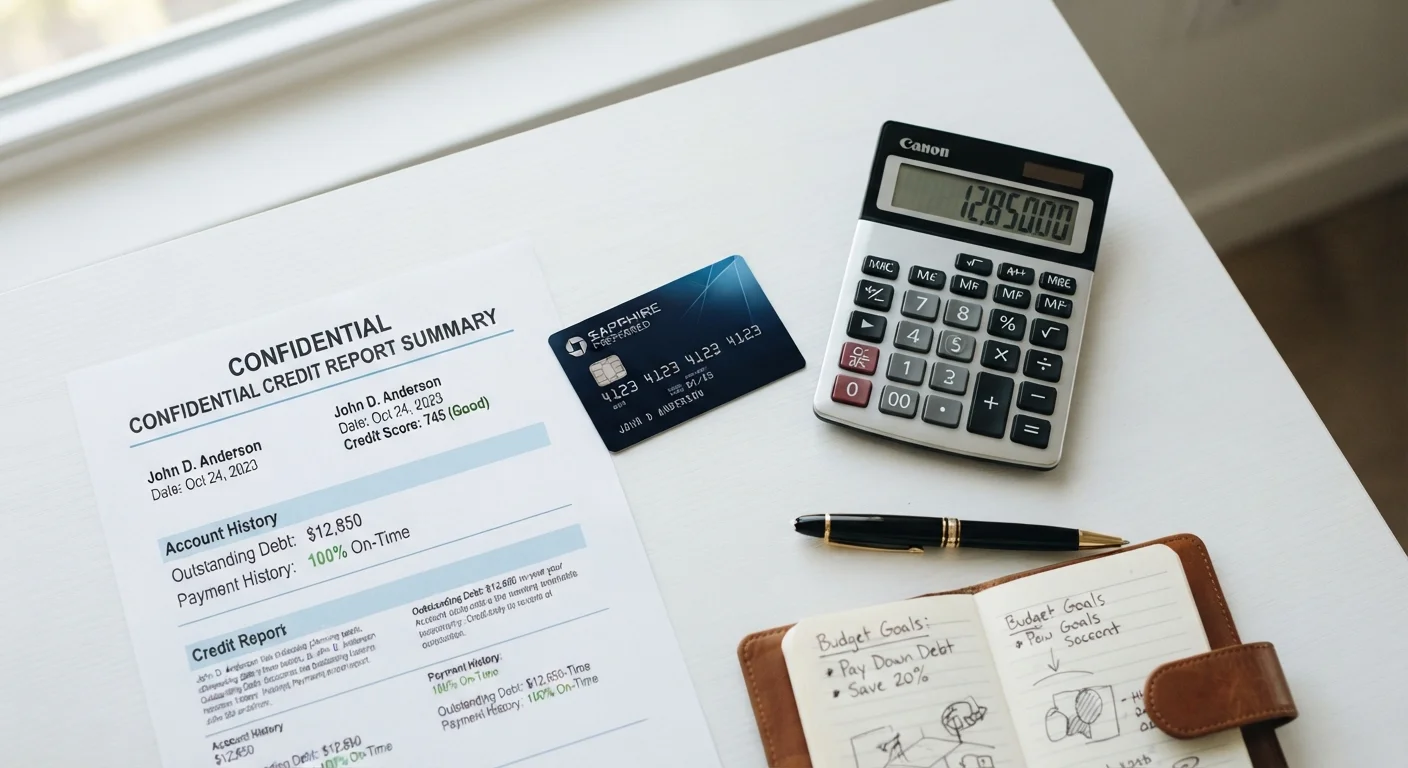
Photo: ScoutAnswers.com | Blogs That Ignite Curiosity editorial
Key Takeaways
- Your credit score is calculated from five weighted factors, with payment history carrying the most weight.
- You are entitled to a free credit report from each major bureau once per year through AnnualCreditReport.com.
- Credit utilization - how much of your available credit you use - directly impacts your score.
- A mix of credit types, managed responsibly, generally supports a stronger credit profile over time.
- Errors on your credit report can be disputed and corrected, often improving your score meaningfully.
What Credit Actually Is
Credit is a financial arrangement in which a lender extends money or purchasing power to a borrower on the understanding that it will be repaid, typically with interest, over time. In the U.S. consumer context, credit underpins everything from credit cards and auto loans to mortgages and personal lines of credit.
At its core, credit represents trust - a lender's assessment that you are likely to repay what you borrow. That trust is measured and communicated through your credit profile, which includes both your credit report (a detailed record) and your credit score (a numerical summary). Lenders, landlords, and even some employers use this information to evaluate financial responsibility.
It's worth distinguishing between two broad categories: revolving credit (such as credit cards, where you can borrow up to a limit repeatedly) and installment credit (such as a car loan, where you borrow a fixed amount and repay it on a set schedule). Understanding which type of credit you're using - and how it's reported - matters for managing your overall profile. For a deeper look at how financial institutions fit into this picture, see how credit unions and banks differ.
How Credit Scores Are Calculated
The most widely used credit score model in the U.S. is the FICO® Score, which ranges from 300 to 850. A higher score signals lower risk to lenders. The five components that determine your FICO Score are:
- Payment history (35%): Whether you pay on time. Even one missed payment can have a significant negative impact.
- Amounts owed / Credit utilization (30%): The percentage of your available revolving credit that you're currently using. Keeping this below 30% is widely recommended.
- Length of credit history (15%): How long your accounts have been open, including the age of your oldest account and the average age of all accounts.
- Credit mix (10%): Having a variety of account types - credit cards, installment loans - can be modestly beneficial.
- New credit (10%): Opening several new accounts in a short period can temporarily lower your score.
35%
Weight of payment history in FICO Score
Payment history is the single largest factor in FICO Score calculations, according to FICO's published scoring criteria.
~200M
Americans with scoreable credit files
The Consumer Financial Protection Bureau estimates that roughly 200 million U.S. adults have credit files with one or more of the major bureaus.
30%
Recommended maximum credit utilization
Financial educators broadly advise keeping revolving credit utilization below 30% to avoid negative scoring impacts.
VantageScore is another widely used model with a similar range but slightly different weighting. Both are derived from the same underlying credit report data.
Request your reports from all three bureaus separately, not just one. Lenders are not required to report to every bureau, so your accounts - and any errors - may appear differently across Equifax, Experian, and TransUnion.
If you're trying to lower your reported utilization before a major credit application, pay down your balance before your statement closing date, not just before the due date. The balance reported to bureaus is typically taken from your statement balance.
Reading Your Credit Report
Your credit report is the raw data underlying your score. Under the Fair Credit Reporting Act (FCRA), you are entitled to a free copy from each of the three major bureaus - Equifax, Experian, and TransUnion - through AnnualCreditReport.com. Because lenders may report to different bureaus, reviewing all three is important.
A typical credit report contains four major sections:
- Personal information: Name, address history, Social Security number (partial), and employment information. Errors here are common and worth correcting.
- Account history: All open and closed credit accounts, including balances, credit limits, payment history, and account status.
- Public records: Bankruptcies or civil judgments that may appear on your report.
- Inquiries: A log of who has accessed your report. Hard inquiries (triggered by credit applications) can slightly lower your score; soft inquiries (such as checking your own report) do not.
If you find an error, you have the right to dispute it directly with the bureau that reported it. Bureaus are generally required to investigate and respond within 30 days.
Types of Credit Accounts
Not all credit accounts function the same way, and understanding the distinctions helps you use each one strategically.
- Credit cards
- Revolving accounts with a credit limit. You can carry a balance (accruing interest) or pay in full each cycle to avoid interest charges. Responsible use - low utilization, on-time payments - makes them a powerful credit-building tool.
- Personal loans
- Installment loans with fixed repayment terms, often used for debt consolidation or large purchases. They can diversify your credit mix beneficially.
- Auto loans
- Installment loans secured by the vehicle. Payment history is reported monthly and directly affects your score. If you're evaluating auto financing as part of a purchase, our car buying guidance covers key considerations.
- Student loans
- Federal or private installment loans for education costs. These are often a borrower's earliest form of installment credit and can help establish a credit history when paid consistently.
- Mortgages
- Large, long-term installment loans secured by real property. A mortgage's consistent payment record over years is among the most powerful credit-building inputs available.
Building and Maintaining Credit Health
Whether you're starting from scratch or rebuilding after setbacks, a few consistent behaviors drive the most meaningful improvement over time.
- Pay on time, every time. Set up autopay for at least the minimum due so you never miss a due date. Payment history is the single largest factor in your score.
- Keep utilization low. If possible, pay down balances before the statement closing date, since that's often when the balance is reported to bureaus.
- Avoid closing old accounts unnecessarily. Closing a card reduces your available credit and can shorten your average account age, both potentially negative effects.
- Apply for new credit sparingly. Each application typically triggers a hard inquiry. When rate-shopping for mortgages or auto loans, multiple inquiries within a short window (usually 14-45 days depending on the model) may be counted as one.
- Monitor your reports regularly. Catching errors or signs of fraud early limits the damage.
Credit health is also closely tied to overall debt management. For broader strategies on balancing savings and debt, explore our saving and debt resource hub. Major life transitions - a new job, marriage, or relocation - can also affect your credit profile, a topic covered in depth in our guide on managing credit across major life changes.
Common Credit Mistakes to Avoid
Understanding what damages credit is just as valuable as knowing what builds it. These are among the most frequently encountered pitfalls:
- Making only minimum payments: This keeps your account current but allows balances - and interest charges - to accumulate significantly over time.
- Maxing out credit cards: High utilization signals financial stress to lenders, even if you pay on time.
- Co-signing without understanding the risk: As a co-signer, you are equally responsible for the debt. If the primary borrower misses payments, your credit is affected too.
- Ignoring your credit report: Many Americans have errors on their reports without knowing it. Disputing inaccuracies is free and can result in meaningful score improvements.
- Closing cards to avoid temptation: This can backfire by reducing available credit and shortening account history. A better approach is simply removing the card from easy access.
This article is for general informational and educational purposes only and does not constitute personalized financial, credit, or legal advice. For guidance tailored to your individual situation, consult a qualified financial adviser or credit counselor.
The content on this site is for informational purposes only and is not a substitute for professional advice. Always consult a qualified professional for guidance specific to your situation.