
Before You Drain Your Emergency Fund: A Decision Checklist

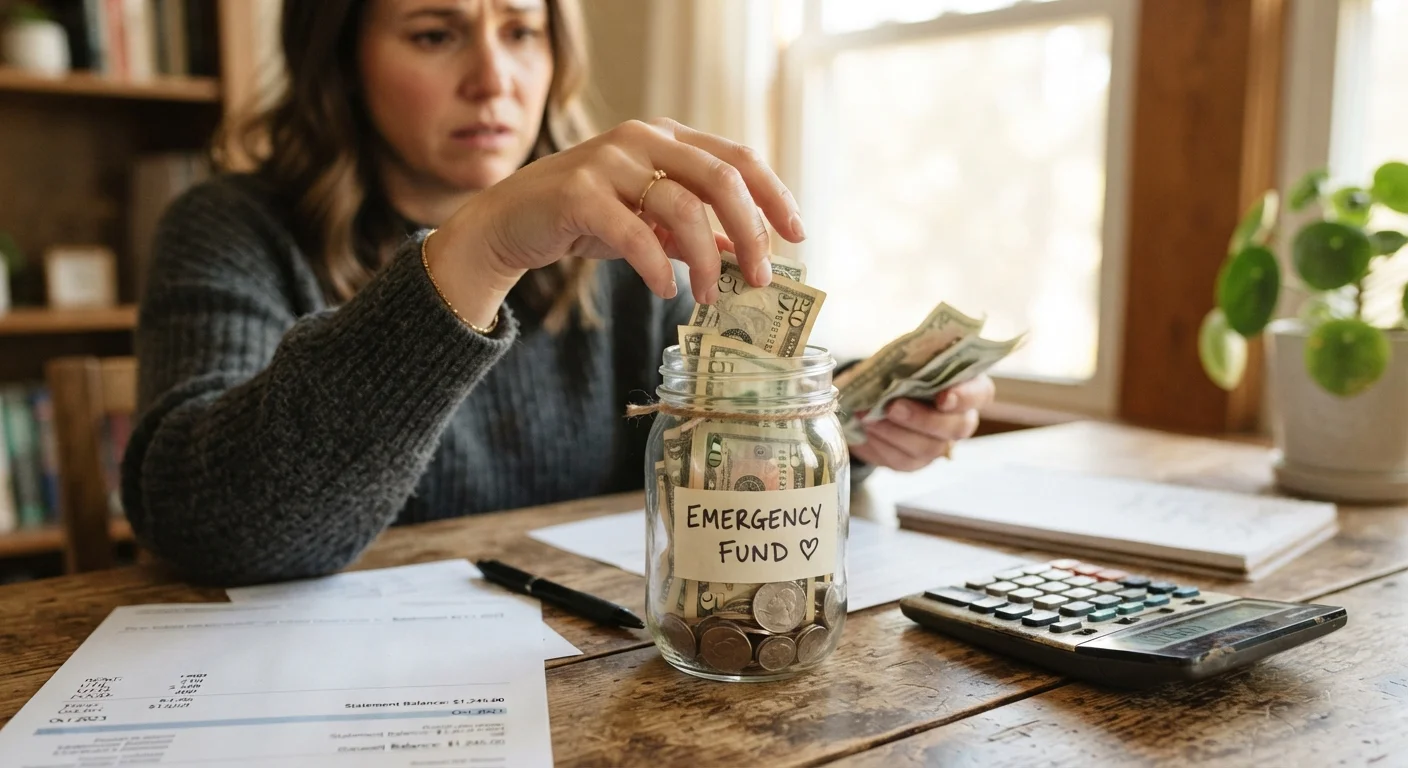
Photo: ScoutAnswers.com | Blogs That Ignite Curiosity editorial
Key Takeaways
- Not every financial hardship qualifies as a legitimate emergency fund situation.
- Exhausting your emergency fund for non-urgent expenses can leave you exposed to future crises.
- Several alternatives - such as payment plans or negotiating bills - should be explored first.
- Once you do withdraw, having a replenishment plan in place is essential.
- Where you keep your emergency fund affects how quickly you can access it when needed.
Why This Decision Deserves a Pause
An emergency fund is one of the most important financial buffers you can build - a dedicated reserve that stands between you and high-interest debt when life doesn't go as planned. But the pressure of an unexpected expense can make it tempting to treat that fund as a first resort rather than a last one.
Before you move money out of savings, it's worth asking: does this situation actually qualify? Working through a structured checklist helps you think clearly under stress, explore alternatives you may have overlooked, and protect the financial safety net you worked to build.
This article is general financial information and education, not personalized financial advice. For guidance specific to your situation, consult a qualified financial professional.
Your Emergency Fund Is Not a General Savings Pool
What You'll Need Before You Start
Gather a few pieces of information so you can answer each question accurately rather than guessing under pressure.
Your current emergency fund balance
Lets you calculate post-withdrawal coverage and assess remaining protection.
Monthly essential expenses total
Required to determine how many months of coverage your fund provides before and after withdrawal.
The specific expense amount and due date
Confirms urgency and ensures you withdraw only what is needed rather than a rough estimate.
A list of current monthly subscriptions and discretionary spending
Helps identify budget items that could be cut as an alternative or supplement to a fund withdrawal.
Contact information for billers and service providers
Needed if you want to quickly request a payment plan or hardship program before touching savings.
The Decision Checklist
Work through each group in order. The earlier groups help you verify the legitimacy and urgency of the expense; the later ones guide your next steps if you do decide to withdraw.
Verify the Expense Is a True Emergency
Exhaust Alternatives First
Assess the Impact on Your Fund
Plan for Replenishment
Avoid Partial Withdrawals That Leave You Exposed
After You Decide: What Comes Next
If you've worked through the checklist and confirmed that tapping your emergency fund is the right call, your next priority is replenishment. Treat rebuilding the fund the same way you treat a recurring bill - a fixed, non-negotiable transfer each pay period until the balance is restored.
If you decided not to withdraw, document the expense and the alternatives you're pursuing. This keeps the decision deliberate rather than revisited impulsively a week later.
It's also worth reviewing where your emergency fund lives. Funds parked in an account that's too easy - or too difficult - to access can undermine the purpose of the reserve. For a practical breakdown of account types and their tradeoffs, see our guide on checking vs. savings accounts. If you don't yet have a dedicated account set up, opening a bank account walks through exactly what you'll need to get started without friction.
This article is for general informational and educational purposes only and does not constitute personalized financial, tax, or legal advice. Consult a licensed financial professional before making decisions based on your individual circumstances.
The content on this site is for informational purposes only and is not a substitute for professional advice. Always consult a qualified professional for guidance specific to your situation.