
Good Debt vs. Bad Debt: A Distinction Worth Understanding

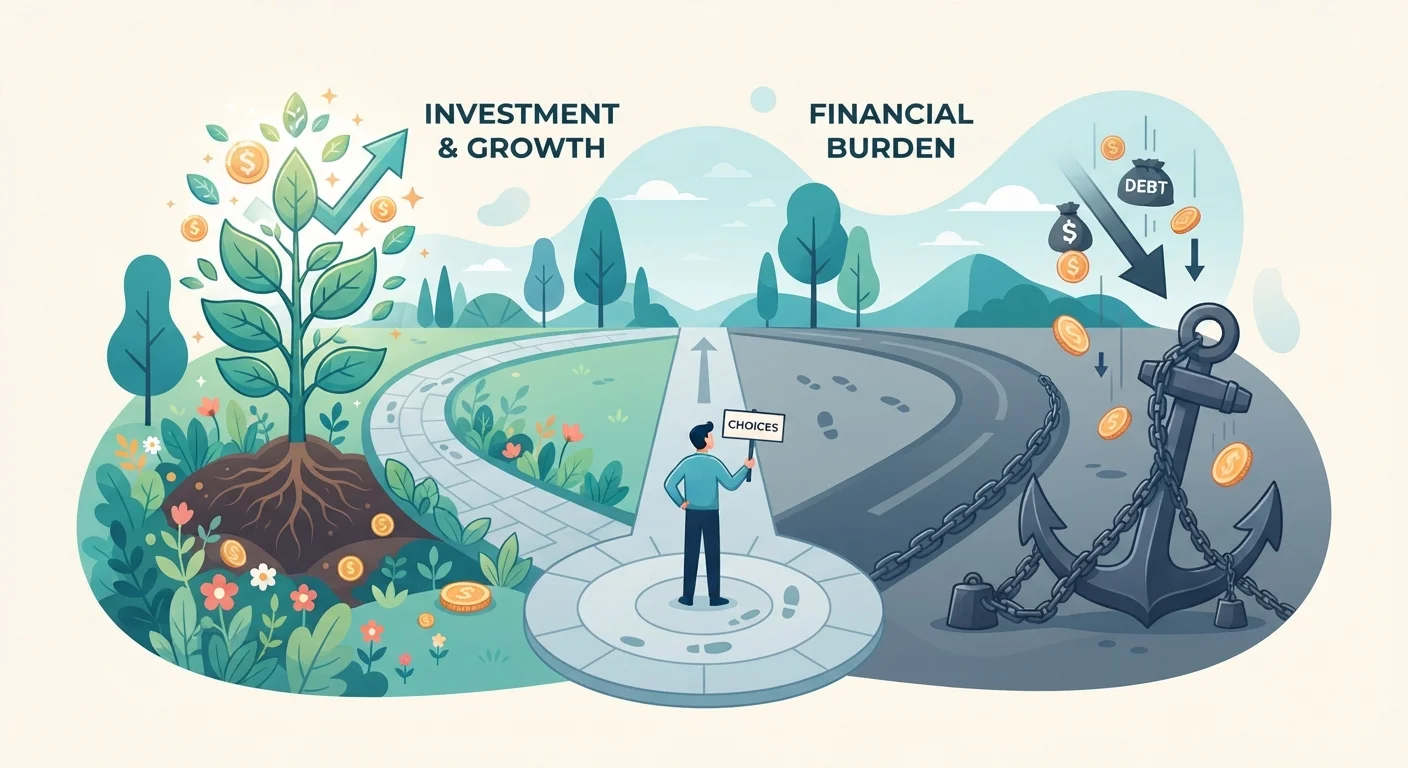
Photo: ScoutAnswers.com | Blogs That Ignite Curiosity editorial
Key Takeaways
- "Good" and "bad" debt are informal concepts used to help people think critically about borrowing, not official financial terms.
- Debt used to build an asset or increase earning potential is often categorized as good debt, but it still carries risk.
- High-interest debt on depreciating purchases - like credit card balances - is most commonly called bad debt.
- Even "good" debt can become harmful if the amount borrowed exceeds your ability to repay.
- Context, interest rate, and your personal financial situation all shape whether a particular debt helps or hurts you.
Where the "Good" and "Bad" Labels Come From
The terms "good debt" and "bad debt" are not formal financial categories defined by any regulatory body. They are educational shorthand - a way to help people evaluate the purpose and cost of borrowing before taking on debt. Understanding the logic behind the labels matters more than the labels themselves.
At the core of the distinction is a simple question: does this debt put you in a better or worse financial position over time? Borrowing that helps you build an asset, increase your income, or access something of lasting value is generally considered good debt. Borrowing that funds short-term consumption at a high cost, with nothing durable to show for it, is what most financial educators mean by bad debt.
For a plain-language breakdown of key terms like APR and compound interest that appear throughout debt discussions, see our financial terms reference for beginners.
These Are Educational Categories, Not Rules
What Typically Qualifies as Good Debt
Financial educators commonly point to a few categories of debt as generally productive when managed responsibly:
- Mortgages: Borrowing to purchase a home gives you an asset that may appreciate over time. Mortgage interest rates are historically lower than most other consumer lending products.
- Student loans: Education can increase lifetime earning potential. Federal student loans, in particular, offer structured repayment options and relatively lower interest rates compared to consumer debt.
- Small business loans: Borrowing to fund a business that generates revenue can make the cost of the loan worthwhile if the enterprise succeeds.
The critical qualifier in each case is when managed responsibly. A mortgage you cannot afford, or student loans taken out for a degree with poor employment prospects, can quickly shift from financially productive to financially damaging.
20%+
Average U.S. credit card APR in recent years
Federal Reserve data has shown average credit card interest rates exceeding 20% APR, making revolving balances expensive to carry.
$1.7T+
Total U.S. student loan debt outstanding
According to Federal Reserve data, student loan debt in the United States has exceeded $1.7 trillion, making it one of the largest categories of consumer debt.
~30%
Credit utilization's share of FICO score
FICO, a widely used credit scoring model, attributes roughly 30% of a score to amounts owed relative to available credit - making debt levels directly relevant to creditworthiness.
What Typically Qualifies as Bad Debt
"Bad" debt is most often characterized by high interest rates and spending on things that lose value quickly or provide no lasting financial return. The most commonly cited example is revolving credit card debt carried month to month. The average credit card interest rate in the U.S. has exceeded 20% APR in recent years, meaning balances can grow substantially if only minimum payments are made.
Other examples financial educators often include in this category:
- High-interest personal loans used for vacations, luxury purchases, or everyday expenses beyond your budget.
- Payday loans, which often carry extremely high effective interest rates.
- Auto loans for vehicles well beyond your means, particularly when the loan term stretches far longer than the expected useful life of the car.
To understand how credit card debt and student loan debt compare structurally - including interest behavior and repayment mechanics - see our article on credit card debt vs. student loan debt.
Why the Line Is Blurrier Than It Sounds
The good-versus-bad framing is a useful starting point, but it oversimplifies. A few realities worth keeping in mind:
Context changes everything. A $30,000 car loan is very different financial situations for someone earning $120,000 a year versus someone earning $35,000. The same dollar amount of debt can be manageable or crushing depending on income, existing obligations, and job stability.
Interest rate matters as much as purpose. If you borrow for education at 18% interest with no clear career path, the "good debt" label offers cold comfort. Conversely, a low-interest personal loan used strategically could be more beneficial than some technically "good" borrowing at punishing rates.
Total debt load matters, not just the type. Stacking multiple "good" debts - mortgage, car loan, student loans - can still leave you financially stretched if the combined payments exceed what your income can comfortably support.
If you're carrying multiple debt types and wondering about simplification strategies, our explainer on debt consolidation walks through the concept and key considerations.
This article provides general financial education and is not personalized financial or legal advice. For guidance specific to your financial situation, consult a licensed financial adviser or credit counselor.
Frequently Asked Questions
The content on this site is for informational purposes only and is not a substitute for professional advice. Always consult a qualified professional for guidance specific to your situation.