
Exercise Myths That Keep People From Ever Getting Started

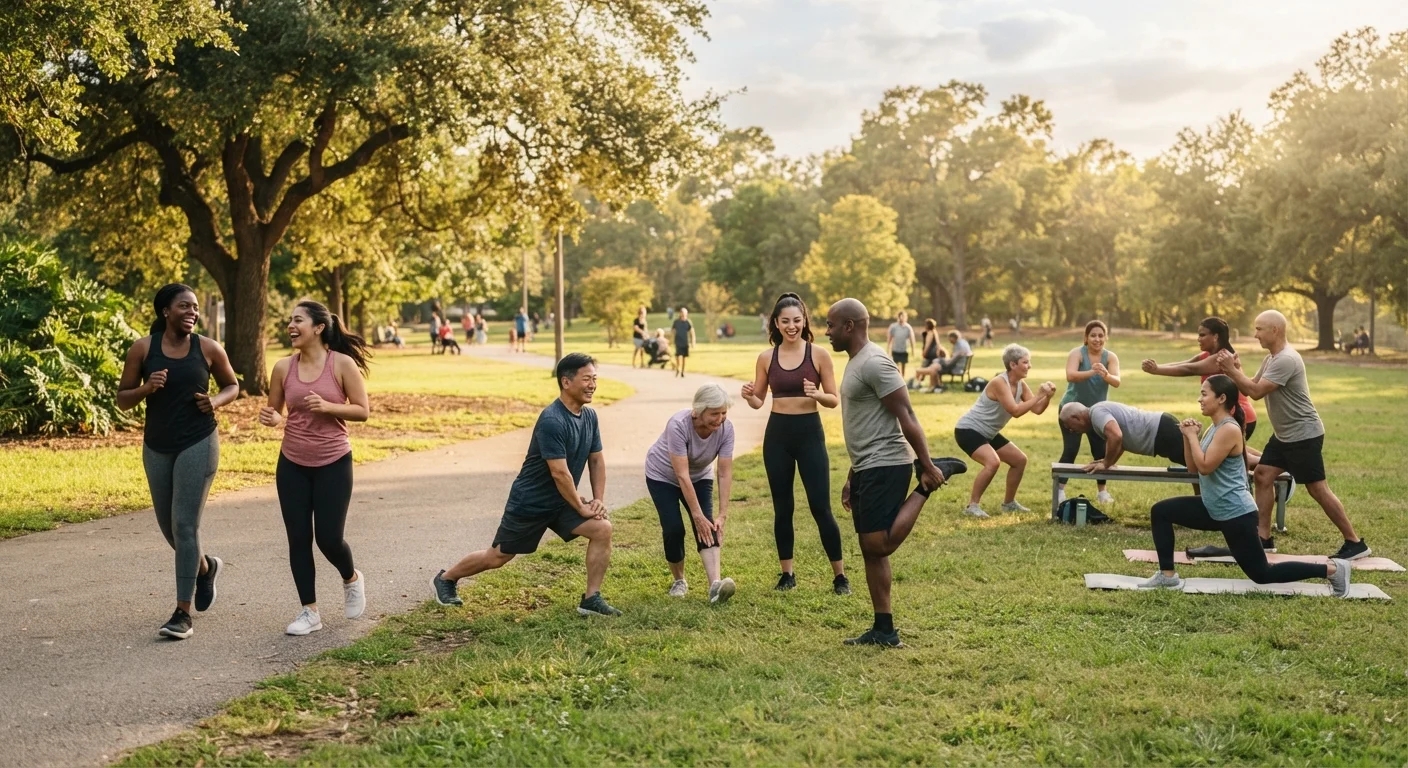
Photo: ScoutAnswers.com | Blogs That Ignite Curiosity editorial
Key Takeaways
- You don't need a gym membership or expensive equipment to build meaningful fitness.
- Discomfort and pain are not the same thing - exercising through true pain can cause injury.
- Short bouts of movement throughout the day count toward health benefits, not just long sessions.
- Strength training benefits all adults, regardless of age or gender.
- Consistency over intensity is what the research consistently supports for long-term health.
Why Fitness Myths Are So Persistent
Many exercise myths have been passed down through gym culture, popular media, and well-meaning friends for decades. Some contain a grain of truth that got exaggerated; others were never accurate to begin with. What they share is a common effect: they make fitness feel inaccessible, painful, or all-or-nothing - and that keeps people from starting at all.
The good news is that the evidence behind exercise science has grown considerably, and the picture it paints is far more forgiving than many myths suggest. Whether you're returning to activity after years away or trying to figure out where to begin, understanding what's actually true can make the difference between action and inaction. These are among the most common myths worth revisiting.
For a broader look at related misconceptions, the nutrition myths that have stuck around far too long piece offers a useful companion read.
Common Exercise Myths - Corrected
The following myth-and-fact pairs address some of the most widespread fitness misconceptions, each grounded in what current research and health authorities actually support.
Myth
You need a gym membership to get fit.
Fact
Bodyweight exercises, walking, and home-based movement can produce significant fitness gains without any gym access.
Research consistently shows that resistance and cardiovascular fitness can be built using bodyweight movements - squats, push-ups, lunges, planks - performed at home or outdoors. Equipment expands options but is not a prerequisite. The real driver of results is consistency, not location. A comparison of home and gym training shows both approaches have genuine merit.
Myth
No pain, no gain - if it doesn't hurt, it's not working.
Fact
Mild muscle fatigue and exertion are normal; sharp, joint, or persistent pain is a signal to stop, not push through.
There is an important physiological distinction between the effort and temporary burning sensation of working muscles (sometimes called the "burn") and actual pain, which can signal tissue damage or injury. Exercising through true pain is not a sign of dedication - it is a risk factor for injury. Sustainable progress comes from progressive overload, not suffering. If an activity causes sharp, joint-based, or persistent pain, it warrants evaluation by a healthcare professional.
Myth
Strength training will make women bulky.
Fact
Resistance training builds lean muscle tissue in women, generally producing a stronger, more defined physique - not bulk - due to hormonal differences.
Significant muscle mass gain (hypertrophy) requires specific conditions: high training volume, caloric surplus, and - critically - hormonal environment. Women have far lower testosterone levels than men, which makes the degree of muscle gain seen in male bodybuilders physiologically uncommon without extraordinary effort and circumstances. For most women, strength training improves bone density, metabolic function, functional strength, and body composition in ways that broad evidence supports as beneficial.
Myth
If you can't commit to a full workout, there's no point exercising.
Fact
Short bouts of activity - even 10 minutes at a time - accumulate into meaningful health benefits across the day.
The all-or-nothing mindset is one of the most common barriers to starting. Research, including studies that informed physical activity guidelines in the United States, supports the concept of accumulated activity: multiple shorter sessions spread through the day can produce comparable cardiovascular and metabolic benefits to one continuous session of equivalent total duration. A 10-minute walk after each meal, for example, is a legitimate and effective form of daily movement. The risks of prolonged sitting make this kind of accumulated movement especially relevant for desk workers.
Myth
Older adults should avoid strenuous exercise to protect their joints and heart.
Fact
Appropriate-intensity exercise is broadly considered safe and beneficial for most older adults, and inactivity carries its own well-documented risks.
Major health and medical organizations - including the American Heart Association and the CDC - recognize regular physical activity as important for older adults, citing benefits for cardiovascular health, fall prevention, cognitive function, and independence. The key word is appropriate: exercise should be scaled to individual ability and health status, and people with chronic conditions should work with a healthcare provider to identify safe options. Avoiding all exertion is generally not a medically endorsed approach for healthy aging. Building a sustainable long-term habit is as relevant for older adults as for any age group.
If you're concerned about which type of exercise to prioritize, understanding what strength training and cardio each do to your body can help clarify your options without pressure to choose just one.
What the Evidence Actually Supports
150 min
Weekly moderate activity recommended for adults
According to U.S. Department of Health and Human Services Physical Activity Guidelines for Americans.
~25%
U.S. adults meeting aerobic activity guidelines
CDC data consistently shows a significant gap between guidelines and actual population activity levels.
10 min
Minimum bout length that counts toward weekly totals
Updated U.S. physical activity guidelines recognize that shorter bouts of activity accumulate into meaningful health benefit.
Physical activity guidelines from major health organizations generally recommend at least 150 minutes of moderate-intensity activity per week for adults - but they also emphasize that any movement is better than none. Even short walks, brief bodyweight sessions, or active household tasks contribute to overall health. The threshold for benefit is much lower than most people assume.
Skipping warm-ups is another habit that adds real risk. What actually happens when you skip a warm-up is worth understanding before jumping straight into any workout routine.
When to Consult a Doctor Before Starting
For readers who have been sedentary for an extended period, the practical framework for starting exercise after years of inactivity provides a low-pressure starting point. And for those who prefer gentler options, low-impact exercise options can be equally effective at building strength and stamina without high joint stress.
This article is for general informational and educational purposes only and does not constitute medical advice. Always consult a qualified healthcare professional before beginning a new exercise program, particularly if you have an existing health condition, injury, or have been inactive for a prolonged period.
The content on this site is for informational purposes only and is not a substitute for professional advice. Always consult a qualified professional for guidance specific to your situation.