
Low-Impact Exercise Options Worth Knowing About

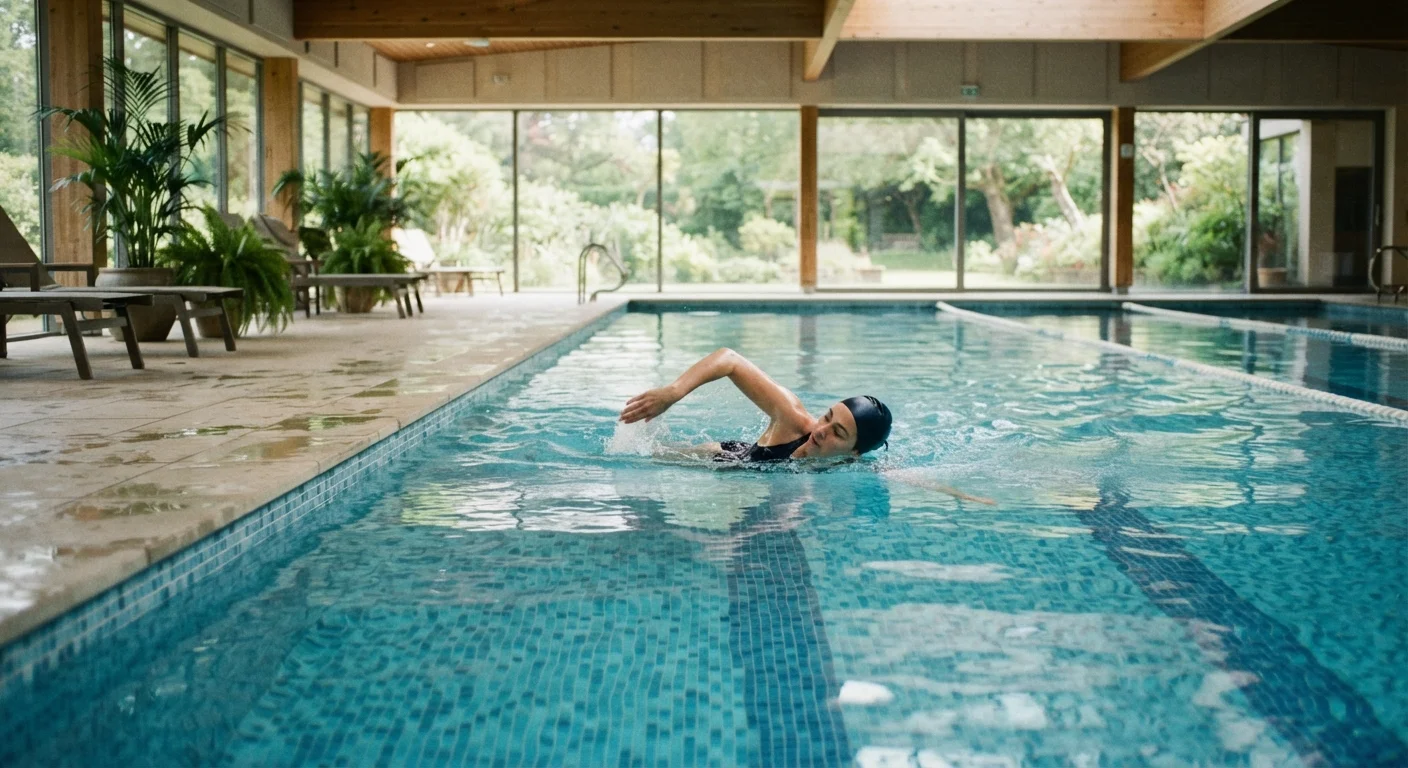
Photo: ScoutAnswers.com | Blogs That Ignite Curiosity editorial
Key Takeaways
- Low-impact exercise reduces joint stress while still delivering meaningful cardiovascular and strength benefits.
- Options like swimming, cycling, and yoga suit a wide range of fitness levels and physical conditions.
- Consistency matters more than intensity - sustainable movement habits produce the most lasting health outcomes.
- Anyone returning to fitness or managing joint issues should consult a healthcare professional before starting a new routine.
Why Low-Impact Exercise Deserves More Credit
The phrase "low-impact" can mislead people into thinking a workout is easy, ineffective, or only for older adults. In reality, low-impact simply means your body avoids the repeated forceful collisions with the ground that activities like running or jumping involve. That distinction matters enormously for people managing joint pain, recovering from injury, returning after a long break, or simply looking for a form of movement they can keep up for decades.
Research consistently shows that low-impact exercise can build aerobic capacity, improve muscular strength, support bone density, and enhance mood - benefits that rival higher-impact alternatives for many populations. If you're rebuilding your fitness after a long break, or you've believed the myth that exercise must hurt to work, low-impact movement offers a compelling starting point. It's also worth understanding common fitness myths that might be keeping you from getting started at all.
Below are seven low-impact exercise types worth understanding - what each involves, why it's effective, and who it may suit best.
Swimming and Water Exercise
Water's buoyancy offloads up to 90% of your body weight, making swimming and aquatic exercise among the most joint-friendly options available. At the same time, water's natural resistance means your muscles work harder than they would moving through air at the same speed.
Swimming laps builds cardiovascular endurance and engages nearly every major muscle group. Water aerobics classes, often offered at community pools and YMCAs, add a social dimension while allowing participants to control their own intensity. Aquatic exercise is frequently recommended for people with arthritis, though anyone considering it should verify suitability with their care team first.
Water's buoyancy removes most of your body weight from your joints while its resistance still challenges your muscles.
Cycling (Stationary or Outdoor)
Cycling keeps your feet in continuous contact with the pedals, eliminating the impact shock of running while still elevating your heart rate substantially. Stationary bikes offer the added advantages of weather independence and adjustable resistance, making them accessible year-round in a gym or home setting.
Outdoor cycling introduces terrain variation and can serve dual purposes - transportation and exercise. Recumbent bikes, which have a reclined seat and back support, provide an even lower-stress option for people with lower back or hip issues. Cycling also integrates well with Zone 2 cardio training, a method shown to support aerobic base and metabolic health.
Cycling delivers significant cardiovascular benefits with none of the ground-impact stress that running involves.
Walking
Walking is technically low-impact - one foot stays on the ground at all times, unlike running where both feet briefly leave it. It's also the most accessible form of exercise available, requiring no equipment, no gym membership, and no prior fitness level.
Consistent brisk walking is associated with reduced risk of cardiovascular disease, improved mood, and better blood sugar regulation, according to public health research. Pace, incline, and duration can all be gradually increased as fitness improves. Walking is an ideal entry point for people returning to movement after a long period of inactivity.
Brisk walking is one of the most researched and accessible low-impact activities, with broad documented health benefits.
Yoga
Yoga combines movement, breath awareness, and sustained postures to build flexibility, balance, and functional strength. Because most styles involve slow, controlled transitions rather than explosive or repetitive impact, it sits firmly in the low-impact category.
Different yoga styles vary considerably in intensity - gentle and restorative classes focus on relaxation and mobility, while styles like Vinyasa or Power Yoga are more physically demanding. This range makes yoga adaptable across fitness levels and life stages. It also directly addresses the distinction between flexibility and mobility in a practical, progressive way.
Yoga's range of styles means beginners and experienced movers alike can find a practice that challenges without harming.
Resistance Training With Lighter Loads
Strength training isn't inherently high-impact. Using lighter weights, resistance bands, or bodyweight exercises performed through controlled ranges of motion generates very little joint stress while still stimulating muscle growth and improving bone density over time.
Machines at a gym can provide additional joint stability compared to free weights, making them a practical starting point for beginners or those with joint concerns. For a deeper understanding of how strength training differs physiologically from cardio - and what each uniquely contributes - see how strength and cardio affect the body differently.
Controlled resistance training with appropriate load builds strength and bone density without the impact stress of many cardio activities.
Tai Chi
Tai chi is a slow, flowing movement practice rooted in Chinese martial arts tradition. Its deliberate, low-velocity transitions make it extremely gentle on joints while still challenging balance, coordination, and muscular endurance in ways that translate to meaningful functional fitness.
Multiple systematic reviews have examined tai chi's effects on balance and fall prevention in older adults, with generally favorable findings - though individuals should evaluate evidence with their healthcare provider. Classes are widely available through community centers, and many instructors now offer online sessions. It's also a movement option explored in guides covering fitness for people with limited mobility.
Tai chi's slow, deliberate movements train balance and coordination in ways that can support functional independence.
Elliptical Training
The elliptical machine simulates a running stride while keeping your feet on the pedals throughout, eliminating the repeated foot-strike impact that makes running hard on knees and hips. It's a staple of gym cardio floors precisely because it allows users to reach moderately high heart rates without significant joint load.
Most ellipticals also include moveable handlebars, turning the workout into a full-body effort that engages the upper body alongside the legs. Resistance and incline adjustments allow for progressive challenge as fitness improves. Before jumping onto any cardio equipment, though, it's worth understanding why skipping a warm-up carries real costs for your muscles and joints.
The elliptical replicates a running motion with near-zero foot-strike impact, making it effective and joint-friendly simultaneously.
Finding Your Starting Point
No single low-impact activity is universally right. The best choice is one that fits your body, schedule, access, and personal interest - because enjoyment is a genuine predictor of long-term consistency. Many people find success mixing two or three options throughout a week, which also helps balance cardiovascular work, strength, and flexibility and mobility.
Start Slow and Build Gradually
If you have an existing health condition, are recovering from injury, or have been sedentary for an extended period, speak with your doctor or a physical therapist before beginning any new exercise program. They can help identify which activities are most appropriate and flag any contraindications specific to your situation.
This article is for general informational purposes only and does not constitute medical advice. Always consult a qualified healthcare professional before making changes to your physical activity routine.
The content on this site is for informational purposes only and is not a substitute for professional advice. Always consult a qualified professional for guidance specific to your situation.