
Fitness for People With Limited Mobility: Principles and Practical Options

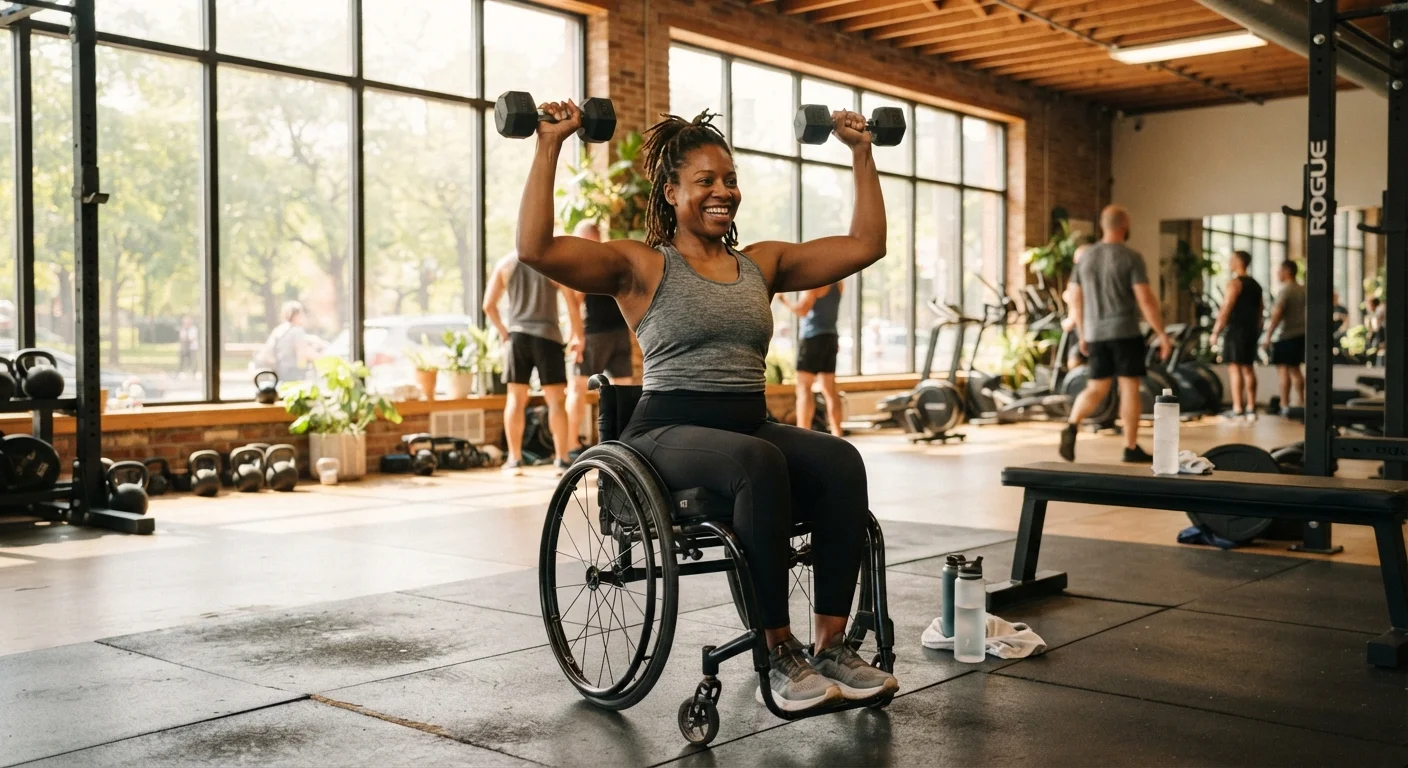
Photo: ScoutAnswers.com | Blogs That Ignite Curiosity editorial
Key Takeaways
- Physical activity offers meaningful health benefits regardless of mobility level or disability status.
- Adaptive fitness focuses on what your body can do, not what it cannot.
- Seated, water-based, and resistance band exercises are widely accessible options.
- Consistency and gradual progression matter more than exercise type or intensity.
- Always consult a qualified healthcare provider before beginning a new exercise program.
Why Movement Matters Regardless of Ability
The relationship between physical activity and health is well established - improved cardiovascular function, better mood, stronger muscles, and reduced risk of chronic disease are among its documented benefits. What is less often emphasized is that these benefits are not limited to people who can walk, run, or lift heavy weights. Research consistently shows that people with limited mobility, chronic conditions, or disabilities can experience meaningful gains from regular movement adapted to their circumstances.
Limited mobility is not a single condition. It can stem from injury, neurological conditions, chronic pain, arthritis, amputation, age-related changes, or other factors - and each situation is different. The goal of adaptive fitness is not to replicate what able-bodied exercise looks like, but to identify movement that is safe, manageable, and beneficial for the individual.
If you are returning to activity after a period of inactivity, our framework for rebuilding fitness safely addresses many of the same principles in a complementary context.
1 in 4
U.S. adults living with a disability
According to the CDC, approximately one in four American adults has some type of disability, many of which affect mobility or physical activity.
~80%
Adults with disabilities not meeting activity guidelines
CDC data indicates adults with disabilities are significantly less likely to meet federal physical activity recommendations than those without disabilities.
Significant
Reduction in secondary health conditions with regular activity
Research published in public health literature consistently links regular physical activity in people with disabilities to reduced risk of secondary chronic conditions.
Core Principles of Adaptive Fitness
Effective adaptive fitness rests on a few foundational ideas that apply across conditions and ability levels:
- Work within your range. Every individual has a current capacity - the movements they can perform without pain or risk. Adaptive exercise starts there, not at some idealized baseline.
- Progressive overload still applies. The principle of gradually increasing challenge over time - more repetitions, greater resistance, longer duration - remains relevant even in seated or low-intensity exercise.
- Consistency outweighs intensity. Short, regular sessions produce more durable benefit than occasional intense efforts, particularly for people managing fatigue or pain.
- Multiple fitness dimensions exist. Strength, flexibility, balance, and cardiovascular endurance each contribute to functional health. Targeting more than one dimension is worthwhile, even if some must be approached differently.
The concept of functional fitness - movement that supports real daily tasks - is especially relevant here. Building strength to transfer from a wheelchair, or flexibility to reduce stiffness, directly improves quality of life.
When assessing a new movement, ask yourself: does this cause pain during or after, or does it simply feel unfamiliar? Discomfort from effort is different from pain that signals harm - and learning that distinction early helps you push appropriately without setbacks.
If seated upper-body work feels too easy, try adding a brief pause at the point of peak contraction before releasing - this increases time under tension without requiring heavier resistance.
Accessible Exercise Approaches
The following movement categories are widely used in adaptive fitness contexts. They are not prescriptions - suitability depends on individual circumstances, and a qualified provider should help guide choices.
Seated and Chair-Based Exercise
Chair exercises allow for strength and flexibility work without requiring standing or floor-based movement. Seated arm raises, seated marches, and resistance band exercises targeting the upper body can be performed by most people with lower-limb limitations. Many yoga and tai chi programs also offer seated adaptations.
Water-Based Exercise
Aquatic exercise reduces joint load while providing natural resistance, making it a common recommendation for people with arthritis, joint conditions, or pain-related movement restrictions. Water buoyancy supports the body, lowering injury risk during movement.
Resistance Bands
Resistance bands are low-cost, adaptable tools that can be anchored to a chair or door frame and used for upper and lower body strengthening without equipment that requires standing. Band tension can be varied to match current capacity.
Flexibility and Mobility Work
Range-of-motion exercises and gentle stretching support joint health and reduce stiffness. Our guide on flexibility, mobility, and stretching explains how these qualities differ and how to incorporate them safely.
Adapted Walking
For individuals who can walk but are limited by endurance or terrain, shorter and more frequent walks may be more effective than longer single sessions. How pace, frequency, and terrain affect walking's benefits is worth understanding when adapting this approach.
These options also intersect with low-impact exercise more broadly, which shares similar principles of protecting joints while building fitness.
Building a Sustainable Routine
Sustainability in adaptive fitness depends on realistic expectations and an honest understanding of your starting point. Before ramping up activity, reviewing a personal readiness checklist can help identify potential barriers and set appropriate goals.
A few practical considerations:
- Start smaller than you think necessary. Overexertion early in a program is a common barrier to continuation. A session that feels manageable is more likely to be repeated.
- Track what you actually do. Simple records - even notes in a phone - help identify patterns, progress, and what is and isn't working.
- Account for variable days. Chronic conditions often involve fluctuating symptoms. Building flexibility into a routine - having easier and more active options - helps maintain consistency even on difficult days.
- Address nutrition alongside movement. Physical activity works in concert with adequate nutrition. The core principles of healthy eating provide a useful complementary foundation.
Make Your Environment Work for You
Working With Healthcare Providers and Specialists
Adaptive fitness is most effective when it is guided by qualified professionals who understand your specific condition. Physiatrists (physicians specializing in physical medicine and rehabilitation), physical therapists, and occupational therapists can assess your baseline, identify appropriate movement, and adjust recommendations as you progress.
Certified adaptive fitness trainers - including those credentialed in working with people with disabilities - can also be valuable for ongoing programming. When evaluating any fitness professional, ask about their specific experience with your condition or mobility limitation.
If you have a chronic condition, are recovering from injury or surgery, or have not been active for an extended period, obtaining medical clearance before starting is a reasonable and often recommended step. This is not a barrier to activity - it is the foundation for doing it safely.
This article provides general health information and education only. It is not a substitute for personalized medical advice, diagnosis, or treatment. Always consult a qualified healthcare provider before beginning or modifying any exercise program, particularly if you have a medical condition, disability, or injury.
The content on this site is for informational purposes only and is not a substitute for professional advice. Always consult a qualified professional for guidance specific to your situation.