
Everything You Need to Know About Sodium and Your Diet

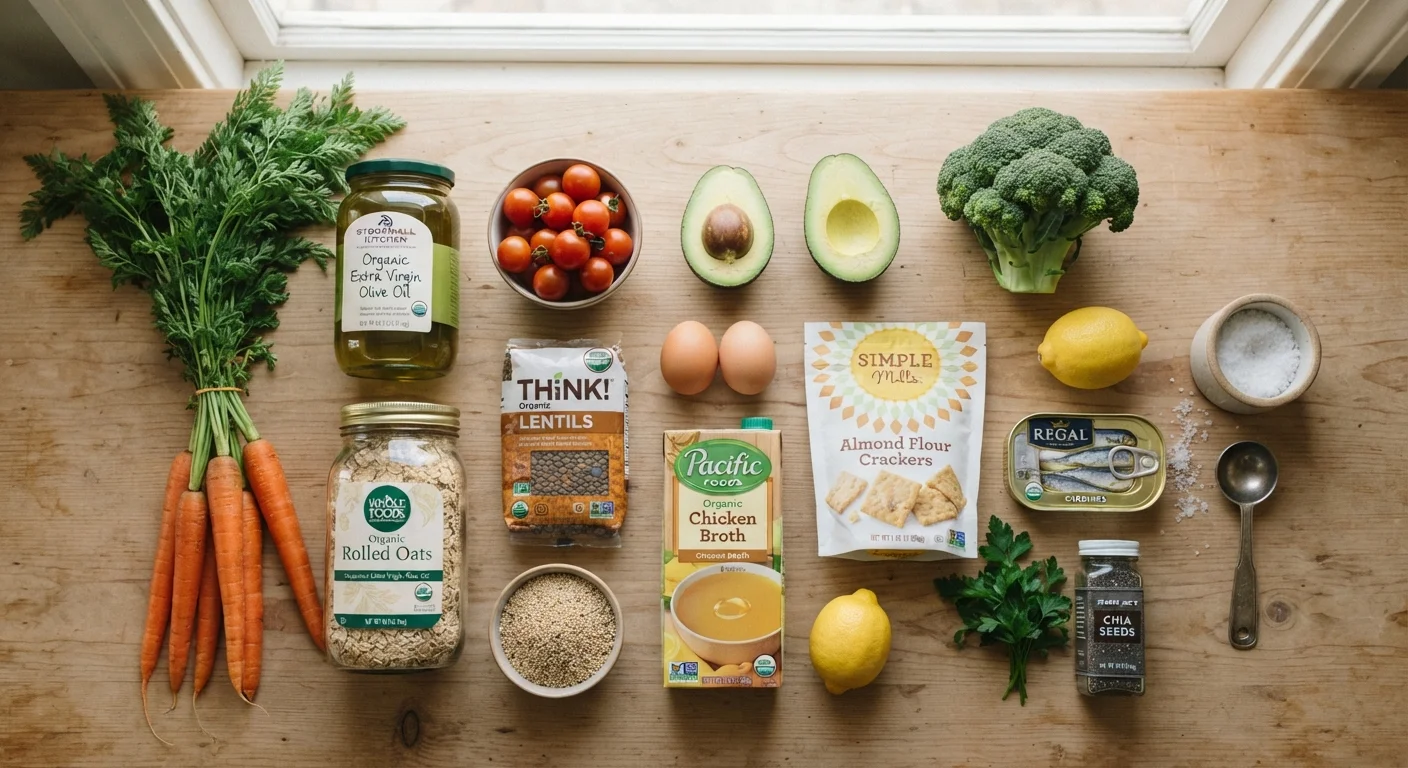
Photo: ScoutAnswers.com | Blogs That Ignite Curiosity editorial
Key Takeaways
- Sodium is an essential mineral; the body cannot function without it.
- Most Americans consume well above general guidance levels, primarily through processed and restaurant foods.
- Reducing sodium can support healthy blood pressure, but individual needs vary significantly.
- Reading nutrition labels is the most reliable way to track sodium in packaged foods.
- Certain groups - including people with hypertension or kidney disease - may need personalized guidance from a clinician.
What Sodium Actually Does in the Body
Sodium is an electrolyte - a mineral that carries an electrical charge - and it plays several roles that keep your body running. It helps regulate fluid balance, supports nerve signal transmission, and enables muscle contractions, including those of the heart. The kidneys are the primary gatekeepers of sodium: they filter excess sodium out through urine and retain more when levels drop too low.
Because sodium draws water toward it, shifts in sodium levels directly affect how much fluid stays inside cells versus circulating in the bloodstream. This relationship is why sodium intake is so closely tied to blood pressure and hydration. For a broader look at how minerals like sodium fit into overall nutrition, see our guide on essential vitamins and minerals.
How Much Sodium Do Dietary Guidelines Recommend?
The Dietary Guidelines for Americans - updated every five years by the U.S. Department of Health and Human Services and the USDA - advise that adults limit sodium to less than 2,300 milligrams (mg) per day. That amount is roughly equivalent to one teaspoon of table salt. The American Heart Association suggests an even lower target of 1,500 mg per day for adults who already have elevated blood pressure, though this is a clinical consideration rather than a universal prescription.
For context, national survey data consistently shows average American adults consume approximately 3,400 mg of sodium per day - substantially above general guidance.
3,400 mg
Average daily sodium intake for U.S. adults
According to CDC national dietary survey data, this is nearly 50% above the 2,300 mg general guidance threshold.
~70%
Share of dietary sodium from processed foods
The CDC estimates that roughly 70% of Americans' sodium comes from processed and restaurant foods, not home cooking or the salt shaker.
2,300 mg
Daily sodium limit in federal dietary guidelines
The Dietary Guidelines for Americans set this as the upper limit for healthy adults, equivalent to approximately one teaspoon of table salt.
Where Sodium Hides in the American Diet
Table salt accounts for only a fraction of most people's sodium intake. Research from the Centers for Disease Control and Prevention (CDC) identifies processed and packaged foods as the dominant source, contributing roughly 70% of dietary sodium before anyone reaches for a shaker. Common high-sodium categories include:
- Bread and rolls - often surprisingly high per serving despite not tasting salty
- Deli meats and cured meats - sodium acts as both flavoring and preservative
- Pizza and mixed dishes - multiple high-sodium components compound quickly
- Soups and broths - canned and restaurant versions can contain 800-1,200 mg per serving
- Condiments and sauces - soy sauce, ketchup, and salad dressings add up fast
- Cheese - a natural source of sodium that accumulates with portion size
Knowing how to read a nutrition label is the most direct skill for identifying sodium in packaged foods. Our article on reading a nutrition label walks through exactly how to interpret those numbers.
When comparing two similar packaged products, look at sodium per 100 grams rather than per serving - serving sizes often differ between brands, making direct per-serving comparisons misleading.
Rinse canned beans and vegetables under water before cooking. This simple step can reduce their sodium content by roughly 40%, according to research published in food science literature.
Sodium and Blood Pressure: What the Evidence Says
The link between high sodium intake and elevated blood pressure (hypertension) is one of the most studied relationships in nutritional science. When sodium accumulates in the bloodstream, water follows, increasing blood volume and, in turn, the pressure exerted on artery walls. Over time, sustained high blood pressure is a significant risk factor for heart disease and stroke.
However, the evidence also shows meaningful individual variation. Some people - often called "salt-sensitive" - experience more pronounced blood pressure changes in response to sodium than others. Genetics, age, kidney function, and baseline blood pressure all influence this response. This complexity is why population-level guidance is a starting point, not a personal prescription.
Sodium Restriction Is Not Right for Everyone
Practical Ways to Monitor Your Sodium Intake
You don't need to count every milligram to move toward a lower-sodium pattern. A few consistent habits make a meaningful difference:
- Check the label before you buy. Look at the sodium content per serving and the number of servings per container - those are separate figures. The % Daily Value column uses 2,300 mg as its reference point. For more on decoding these numbers, see our guide to reading nutrition labels without confusion.
- Choose lower-sodium versions of staples. Many canned beans, tomatoes, and broths are available in reduced-sodium or no-salt-added versions with no difference in taste once incorporated into a dish.
- Cook more at home. Home-cooked meals give you direct control over added salt - and restaurant dishes, including fast-casual options, are frequently among the highest-sodium meals available.
- Taste before adding salt. Developing awareness of food's natural flavors reduces reflexive seasoning.
Staying well hydrated also supports the kidneys' ability to manage sodium balance. For background on that connection, our article on hydration and nutrient absorption provides useful context.
Special Considerations and When to Consult a Professional
General sodium guidance doesn't apply equally to everyone. Several groups warrant particular attention:
- People with hypertension or heart disease may benefit from stricter sodium limits tailored by a physician or registered dietitian.
- Individuals with chronic kidney disease (CKD) often need careful sodium management, since impaired kidneys are less efficient at excreting excess sodium.
- Older adults tend to be more salt-sensitive on average, and blood pressure regulation becomes less efficient with age.
- Athletes and people with high sweat output lose significant sodium during exercise; for them, concerns may tilt toward adequate replacement rather than restriction.
- Pregnant individuals should discuss sodium intake with their prenatal care provider rather than applying general guidance independently.
If you're managing a specific health condition or simply unsure where to start, a registered dietitian is the most qualified professional to provide personalized, evidence-based guidance. General information - including this article - is not a substitute for that individualized assessment.
This article is for general informational and educational purposes only and does not constitute medical or dietary advice. Always consult a qualified healthcare professional before making changes to your diet, especially if you have an existing health condition.
The content on this site is for informational purposes only and is not a substitute for professional advice. Always consult a qualified professional for guidance specific to your situation.