
Reading a Nutrition Label Without Getting Confused

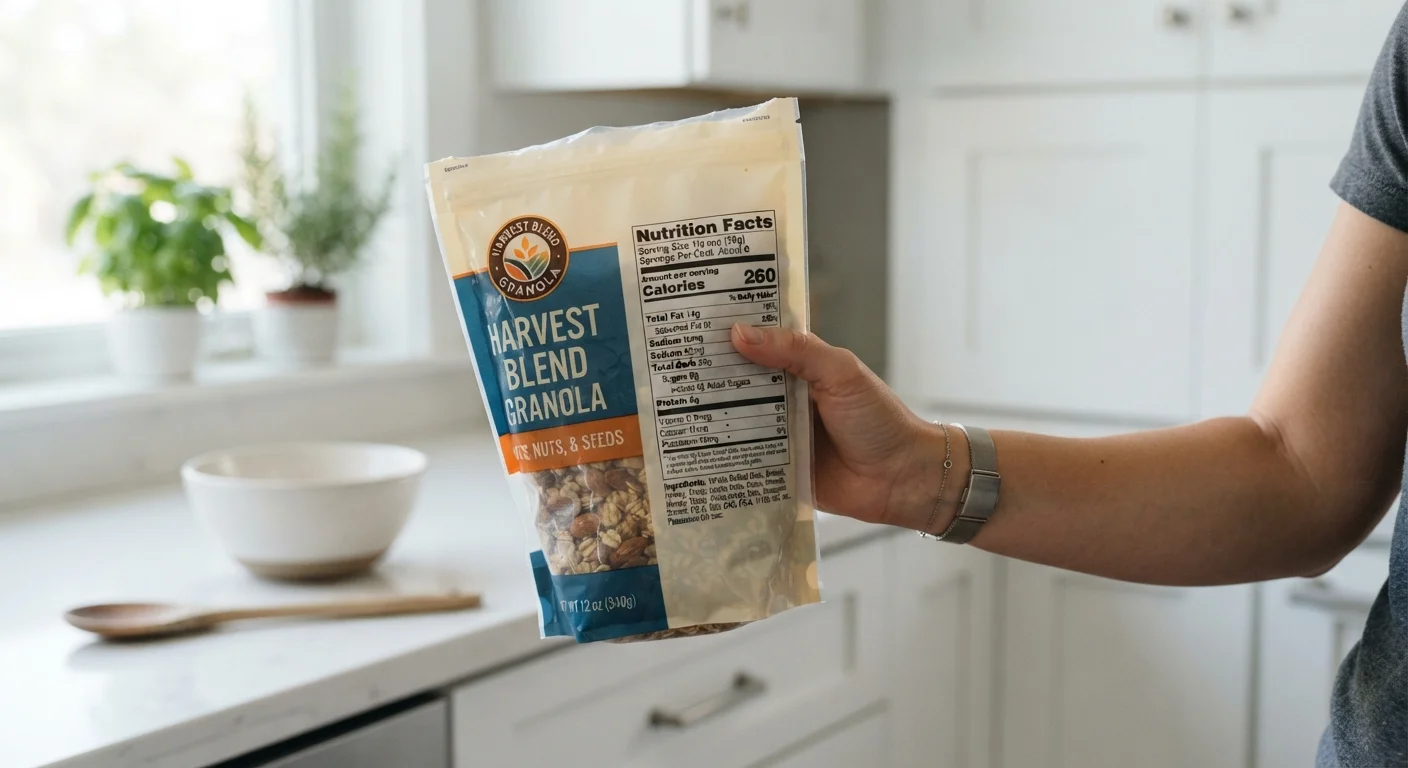
Photo: ScoutAnswers.com | Blogs That Ignite Curiosity editorial
Key Takeaways
- Serving size is the foundation of every number on the label - always check it first.
- Percent Daily Values use a 2,000-calorie reference diet and are a rough guide, not a personal prescription.
- Added sugars and saturated fat are listed separately because their roles in health differ from total amounts.
- Ingredients are listed by weight, so the first few items dominate the food's composition.
- No single number on a label tells the whole story - context and overall diet matter more.
Why the Label Format Exists - and What Changed
The Nutrition Facts label that appears on most packaged foods sold in the United States is regulated by the FDA. The format was significantly updated in 2016 (with full compliance phased in by 2020) to reflect newer nutritional science and make key information more prominent. The most notable changes included a larger calorie display, a required "Added Sugars" line, and updated serving sizes designed to better reflect how Americans actually eat.
Understanding the label's structure means you're not just reading numbers in isolation - you're reading a standardized, government-regulated document designed to give you consistent, comparable information across products. That said, labels describe individual foods, not entire diets. As our guide to evaluating online nutrition content explains, context matters enormously in nutrition.
Labels Are a Tool, Not a Verdict
Before You Start: What You'll Need
You don't need any special tools or background knowledge to read a nutrition label - just a packaged food item and a few minutes. The steps below walk through the label from top to bottom, which is also roughly the order of importance the FDA intended.
What you will need
Nutrition Facts Label (on any packaged food)
The primary document you'll be reading and interpreting throughout this guide.
FDA's Interactive Nutrition Facts Label
A free online tool from the U.S. Food and Drug Administration that explains each section of the label in detail.
Use %DV as a Quick Compass
Step-by-Step: Reading Every Section of the Label
Follow these steps the next time you pick up a packaged food item. With a little practice, scanning a label takes less than a minute.
Start With Servings Per Container and Serving Size
The very first line under "Nutrition Facts" tells you how many servings are in the entire package. The line below it shows the serving size - the amount all the numbers on the label are based on. This is not necessarily the amount you're expected to eat; it reflects what the FDA considers a typical portion based on consumption surveys.
Before reading anything else, ask: How much of this package will I actually eat? If the label says one serving is 1 cup and there are 2.5 servings per container, eating the whole thing means multiplying every number by 2.5.
Read the Calorie Count in Context
Calories are displayed prominently - they represent the total energy one serving provides. A higher or lower calorie count isn't inherently good or bad; it depends on what else the food delivers nutritionally. A 200-calorie serving of nuts, for example, comes with protein, healthy fats, and fiber. A 200-calorie serving of a sugary snack may offer little beyond energy.
For a deeper look at what calorie numbers do and don't tell you, see our explainer on calorie balance.
Look at the Nutrient Breakdown - Starting With Fats
Below calories, you'll find Total Fat, broken into saturated fat and trans fat. Saturated fat is listed separately because dietary guidance generally suggests keeping it moderate; trans fat is one to minimize wherever possible. Unsaturated fats are not always itemized but make up the difference between total fat and the listed subtypes.
Don't skip the % Daily Value (%DV) column. This percentage tells you how much of the recommended daily amount for that nutrient one serving provides, based on a 2,000-calorie reference diet. It's an imperfect benchmark - individual needs vary - but it's a useful directional tool.
Decode Total Carbohydrates, Fiber, and Sugars
Total Carbohydrates includes dietary fiber, total sugars, and added sugars. Each is listed as a sub-item. Dietary fiber is worth noting - it's associated with digestive health and satiety. Total sugars includes both naturally occurring sugars (like those in milk or fruit) and added sugars.
Added sugars appear as their own line and are expressed both in grams and as a %DV. These are sugars introduced during processing - not those naturally present. Understanding why this distinction matters is explored in detail in our article on natural vs. added sugars.
Check Sodium, Protein, and Key Micronutrients
Sodium is often overlooked but appears prominently on the label for good reason - processed foods can contribute substantially to daily sodium intake. The %DV is especially useful here. For a broader look at sodium's role in the diet, see our sodium overview.
Protein is listed in grams but without a %DV - needs vary too widely by individual. Below that, you'll find micronutrients the FDA requires to be listed: Vitamin D, Calcium, Iron, and Potassium. These were chosen because they are commonly under-consumed in the American diet.
Scan the Ingredients List
The ingredients list appears separately from the Nutrition Facts panel but is equally informative. Ingredients are listed in descending order by weight, so whatever appears first makes up the largest proportion of the food. If refined flour or added sugar is first or second, the food is primarily made of those ingredients.
Long lists aren't automatically bad, and short lists aren't automatically good - but the ingredients list can give you a clearer picture of what you're actually eating beyond the numbers. Pair this habit with a broader understanding of eating patterns by visiting Healthy Eating From the Ground Up.
Watch Out for Multiple Servings Per Package
Putting It All Together
Reading a nutrition label well means resisting the urge to fixate on a single number. A food high in sodium might also be high in potassium. A food with more calories per serving might be more filling, meaning you eat less overall. The label is a tool for building awareness - not for passing judgment on individual foods.
If you're thinking about making broader changes to how you eat based on what you're learning, this checklist of questions to ask before overhauling your diet is a helpful next step. And for practical perspective on quantities and amounts, see why portion awareness matters more than rigid rules.
This article is for general informational and educational purposes only and is not a substitute for professional medical or dietary advice. Consult a qualified healthcare provider or registered dietitian for guidance tailored to your individual health needs.
The content on this site is for informational purposes only and is not a substitute for professional advice. Always consult a qualified professional for guidance specific to your situation.