
Why Portion Awareness Matters More Than Portion Rules

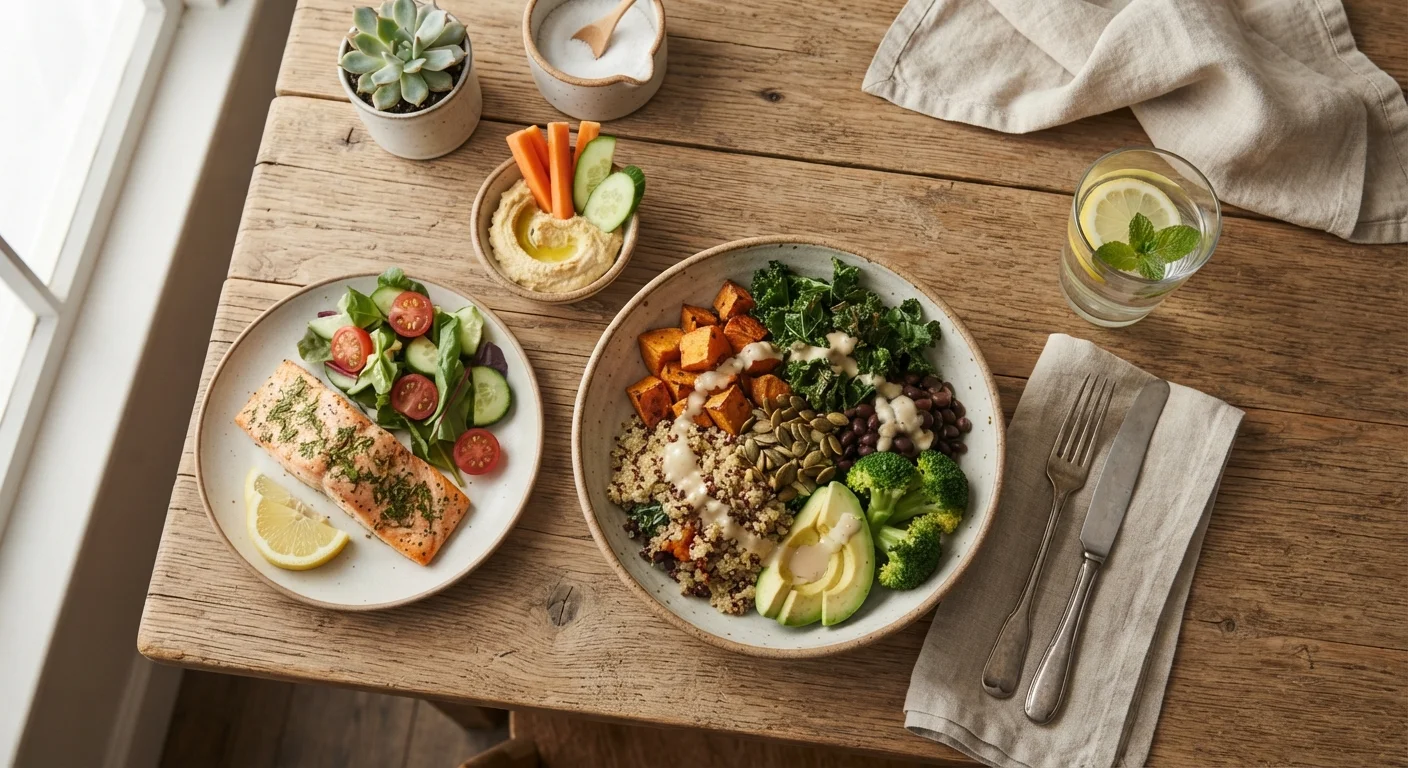
Photo: ScoutAnswers.com | Blogs That Ignite Curiosity editorial
Key Takeaways
- Rigid portion rules often increase anxiety around food without improving eating habits long-term.
- Portion awareness focuses on recognizing hunger, fullness, and satisfaction rather than counting grams.
- Environmental cues - plate size, distractions, serving bowls - quietly shape how much people eat.
- Simple, consistent habits build better awareness than complex dietary systems.
- Everyone's needs differ; portion guidance works best as a starting point, not a fixed prescription.
The Difference Between Rules and Awareness
Portion control is typically framed as a rule-following exercise: weigh your food, hit your targets, stay within limits. This approach works for some people in some contexts, but research on eating behavior consistently shows that rigid external rules often break down over time - especially under stress, social pressure, or simple fatigue.
Portion awareness is a different concept. It means staying attentive to what you're eating, how hungry you actually are, and how food makes you feel - without needing a precise measurement every time. It's a skill, not a checklist. And like most skills, it improves with practice rather than perfection.
Understanding this distinction matters because many people cycle through periods of strict control followed by periods of abandonment, neither of which supports lasting, comfortable eating habits. As one framework in behavioral nutrition puts it, flexible eaters tend to fare better over time than rigid ones. If you're curious about how broader food concepts interact with this idea, our piece on the real limitations of calorie balance explores the nuances well.
Best Practices for Building Portion Awareness
The following practices are grounded in behavioral and nutritional research. They're not meant as personal prescriptions - individual needs vary considerably, and a registered dietitian can offer guidance tailored to your specific situation.
Pause before eating to assess your actual hunger level
Eat without screen-based distractions when possible
Use visual reference points rather than measuring tools as everyday guides
Slow down your eating pace to allow fullness signals to register
Serve food in smaller vessels rather than eating directly from large packages
Why Your Environment Shapes More Than You Think
One of the more counterintuitive findings in eating behavior research is how powerfully the environment - not willpower - determines how much people eat. Studies have found that larger plates, opaque serving bowls, and eating while distracted are all associated with increased intake, often without the eater noticing.
2x
More food consumed from larger bowls
Research by behavioral economist Brian Wansink found that people served themselves and ate significantly more from larger serving vessels, often without awareness of the difference.
~25%
Increase in intake linked to eating while distracted
A review published in the American Journal of Clinical Nutrition found that distracted eating was associated with meaningfully higher food intake both during and after the meal.
This doesn't mean restructuring your entire kitchen. It means that small, low-effort changes to your eating environment can support awareness without requiring active decision-making at every meal. Serving food at the counter before sitting down, for example, tends to reduce automatic second helpings compared to leaving serving dishes on the table.
If you're working to interpret the numbers you see on food packaging, understanding nutrition labels can help you put serving size information in context without over-relying on it.
Starting Small and Staying Consistent
Portion awareness doesn't require an overhaul of how you eat. In fact, large-scale dietary changes are difficult to sustain precisely because they demand too much adjustment at once. If you're considering significant changes to your eating habits, these questions are worth working through first.
The goal isn't to eat perfectly - it's to eat more consciously. Over time, that attention tends to align naturally with what your body actually needs, rather than what a rule chart says it should.
This article provides general nutrition education and is not a substitute for personalized advice from a qualified healthcare or nutrition professional. If you have specific health concerns related to your diet, please consult a registered dietitian or your healthcare provider.
The content on this site is for informational purposes only and is not a substitute for professional advice. Always consult a qualified professional for guidance specific to your situation.