
Pre-Project Checklist for Any Major Home Improvement Job

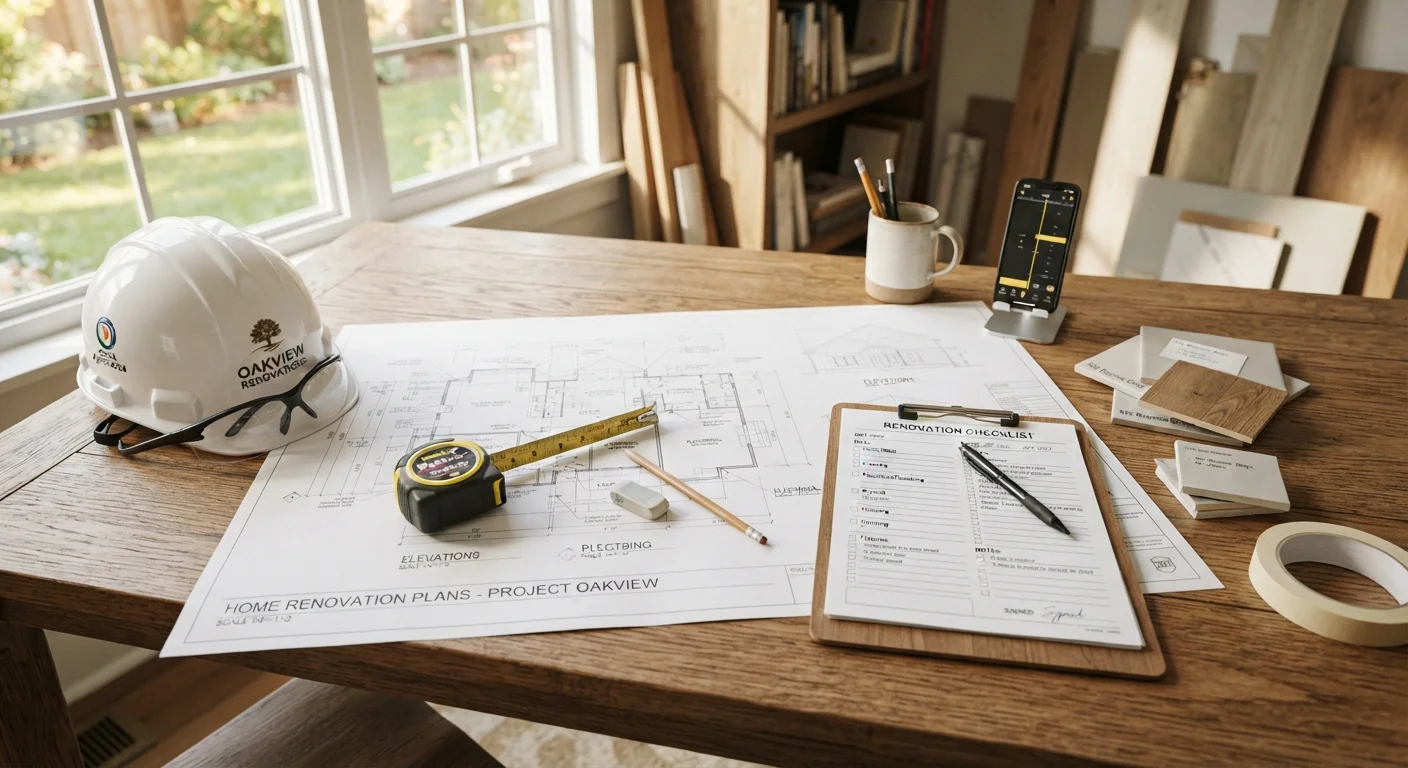
Photo: ScoutAnswers.com | Blogs That Ignite Curiosity editorial
Key Takeaways
- Pulling the correct permits before work begins protects your home's resale value and legal standing.
- A clearly defined scope of work helps prevent budget overruns and contractor disputes.
- Identifying load-bearing walls, utilities, and hazardous materials before demolition prevents costly mistakes.
- Vetting contractors through references and written contracts reduces the risk of poor workmanship.
- Building a contingency fund of 10-20% of your budget prepares you for unexpected costs.
Why a Pre-Project Checklist Matters
The most common reason home improvement projects go over budget, stall midway, or produce disappointing results isn't poor craftsmanship - it's inadequate preparation. Homeowners who invest time in planning before the first nail is driven consistently report smoother projects, fewer surprise costs, and less stress.
This checklist is designed for any major job: a kitchen remodel, bathroom addition, basement finish, deck build, or whole-room renovation. Whether you're managing contractors or doing portions of the work yourself, running through these items before you start puts you in control. Use the tools and resources below to get organized from the outset.
Project Budgeting Spreadsheet
Tracks all line-item costs, payments, and contingency spending throughout the renovation.
Local Building Department Portal
Used to research permit requirements, submit applications, and track permit status.
Contractor License Verification Tool
Your state's licensing board website lets you confirm a contractor's credentials before signing a contract.
Tape Measure & Laser Distance Measurer
Accurate measurements are essential for material ordering and verifying that work matches the scope.
Lead and Asbestos Test Kits
Used for preliminary screening of older homes before demolition begins.
Project Management App
Helps coordinate timelines, store photos, track punch lists, and communicate with contractors in one place.
How to Use This Checklist
Work through each group in order - budget and permits first, then scope, safety, materials, and contracts. Items marked must are non-negotiable before any work begins. Items marked should are strongly recommended for most projects. Nice-to-have items add an extra layer of thoroughness that can prevent issues down the road.
Don't treat this as a one-time exercise. Revisit it whenever the project scope changes, a new contractor is brought on, or unexpected conditions surface - such as hidden water damage or outdated wiring discovered during demolition. Experienced renovators also know that the areas you can't immediately see often matter most; our article on places homeowners consistently overlook during a renovation is worth reviewing alongside this checklist.
Budget & Financing
Permits & Code Compliance
Scope Definition & Planning
Safety & Hazard Assessment
Materials & Logistics
Contracts & Communication
After the Checklist: Staying on Track
Completing this checklist before work begins is a strong start, but successful projects require active management throughout. Schedule regular check-ins with your contractor - weekly at minimum - to review progress against the timeline, flag emerging issues, and approve any changes before they become costly detours.
Document everything with dated photos at each major milestone. These records are invaluable if a warranty claim or insurance question arises later. Keep copies of all permits, contracts, receipts, and inspection reports together in a dedicated folder - physical or digital.
Get Everything in Writing
Finally, set realistic expectations about disruption. Major renovations affect daily routines, air quality, and access to parts of your home for extended periods. Planning for that disruption in advance - arranging temporary kitchen facilities during a remodel, for example - keeps the project from feeling overwhelming as it progresses.
Never Skip Permits to Save Time
Structural and Hazardous Work Requires Professionals
The content on this site is for informational purposes only and is not a substitute for professional advice. Always consult a qualified professional for guidance specific to your situation.