
Natural Pest Control Methods That Actually Work in Home Gardens

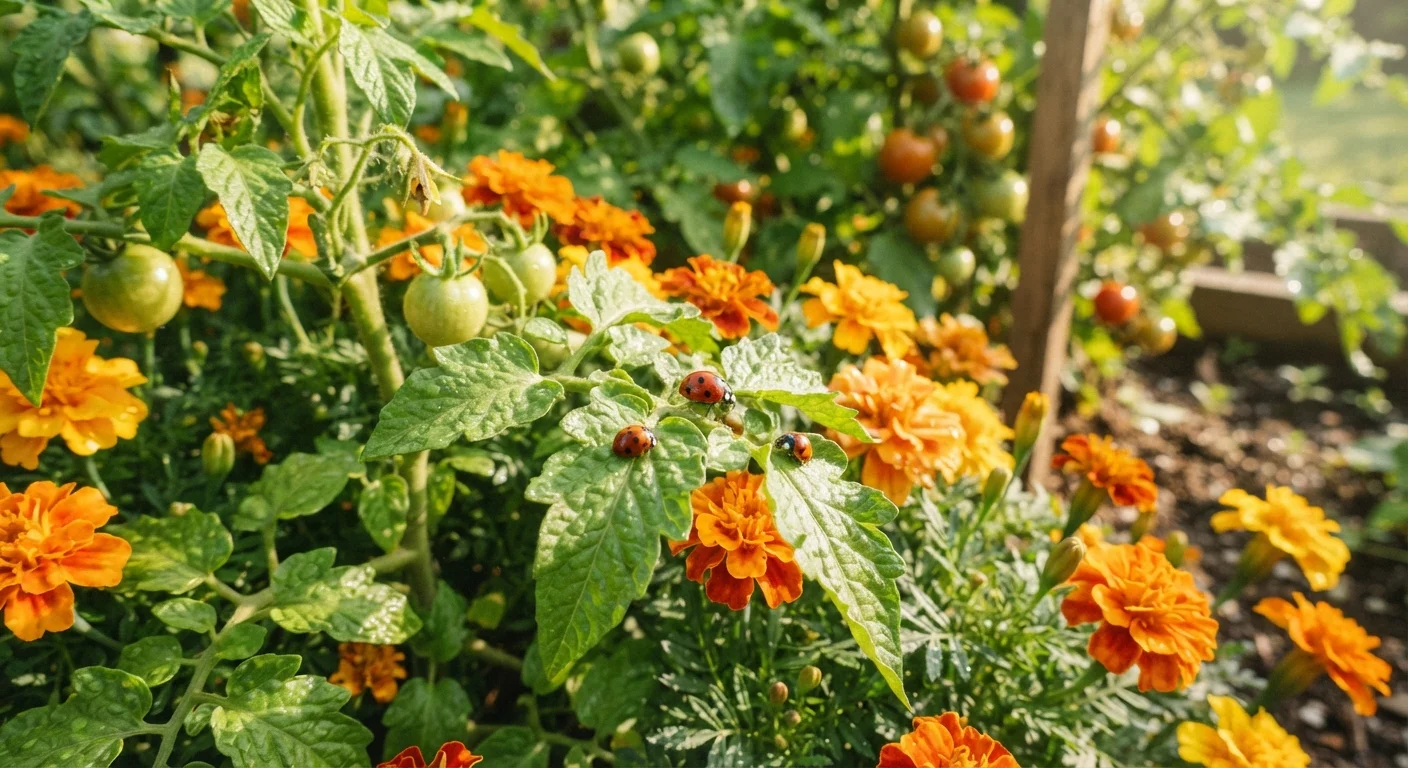
Photo: ScoutAnswers.com | Blogs That Ignite Curiosity editorial
Key Takeaways
- Companion planting can physically deter or confuse pests without any chemical intervention.
- Beneficial insects like ladybugs and lacewings are natural predators of common garden pests.
- Physical barriers such as row covers and copper tape offer reliable, chemical-free protection.
- Healthy soil and proper plant spacing reduce pest pressure before it starts.
- Some natural sprays, like neem oil and insecticidal soap, are effective when used correctly.
Why Natural Pest Control Makes Sense for Home Gardeners
Managing garden pests without reaching for synthetic chemicals is both practical and achievable for most home gardeners. Natural pest control methods protect your plants while preserving the beneficial insects, soil organisms, and broader garden ecosystem that help your yard thrive over the long term.
That said, not every folk remedy you read about online actually works - some are pure garden mythology. If you're curious about separating fact from fiction, our guide to garden myths is a useful complement to this article. The methods below are grounded in sound horticultural practice and widely recognized by extension gardening programs across the United States.
Whether you're tending a small raised bed or a sprawling backyard plot, these approaches can be scaled to fit your space. And if you're just getting started, our article on starting a vegetable garden in your backyard walks through the foundational steps that make pest management much easier from the start.
Companion Planting
Companion planting means growing certain plants in close proximity to naturally deter pests, attract beneficial insects, or mask the scent of vulnerable crops. Classic pairings include basil near tomatoes to help confuse aphids, and marigolds planted along garden borders to discourage whiteflies and nematodes.
The logic is ecological: pests often locate host plants by smell or visual cues. A diverse planting mix disrupts those signals. Aromatic herbs like dill, fennel, and cilantro also attract predatory insects that feed on aphids and caterpillars, effectively pulling double duty as pest deterrents and beneficial insect habitat.
A diverse planting mix disrupts the signals pests use to locate their host plants.
Encouraging Beneficial Insects
Ladybugs, lacewings, parasitic wasps, and ground beetles are natural predators of aphids, whiteflies, thrips, and caterpillar eggs. Rather than purchasing insects to release - which often provides limited long-term benefit - the more effective approach is creating habitat conditions that attract and retain them naturally.
Plant a variety of nectar-rich flowers throughout the season, minimize soil disturbance, and avoid broad-spectrum pesticides that kill beneficial species alongside pests. Even leaving small patches of undisturbed ground or leaf litter provides nesting habitat for ground beetles and other predatory insects.
Creating habitat that attracts beneficial insects is more effective than buying and releasing them.
Physical Barriers and Row Covers
Lightweight floating row covers (made from spun polypropylene fabric) physically exclude insects from reaching plants without blocking light or air circulation significantly. They're especially effective against squash vine borers, cabbage moths, and cucumber beetles when deployed at planting time - before the pest arrives.
Copper tape around raised beds and containers creates a mild deterrent for slugs and snails, whose mucus reacts with copper. Sticky yellow traps placed near susceptible plants can also monitor and reduce populations of fungus gnats, whiteflies, and aphids, though they work best as part of a broader strategy rather than a standalone fix.
Row covers work best when deployed at planting time, before pest populations establish.
Neem Oil and Insecticidal Soap
Neem oil, derived from the seeds of the neem tree, disrupts the life cycle of soft-bodied insects and deters feeding by certain pests. Insecticidal soap works by breaking down the outer coating of insects like aphids, spider mites, and mealybugs on direct contact.
Both are considered low-impact options compared to synthetic pesticides, but they're not entirely without effect on beneficial insects - apply in the early morning or evening when pollinators are less active, and target only affected plant areas rather than spraying broadly. Always follow label directions, and test on a small area before treating an entire plant to check for sensitivity.
Apply neem oil or insecticidal soap in the early morning or evening to protect pollinators.
Healthy Soil and Proper Plant Spacing
Plants grown in nutrient-balanced, well-structured soil are simply more resilient. They develop stronger root systems, thicker cell walls, and more vigorous immune responses to pest pressure. Poor soil - compacted, nutrient-depleted, or waterlogged - stresses plants in ways that make them more vulnerable and more attractive to certain pests.
Proper plant spacing is equally important. Overcrowded plants create humid microclimates that favour fungal diseases and soft-bodied insects. Good air circulation reduces these conditions. If you're building up your soil quality over time, our article on composting at home covers how finished compost can steadily improve your garden's soil health season after season.
Plants grown in healthy, well-structured soil are naturally more resistant to pest pressure.
Hand-Picking and Regular Monitoring
For small gardens, consistent monitoring combined with hand-picking remains one of the most reliable methods available. Many pest problems are caught early and controlled easily when you're inspecting your plants several times per week - checking leaf undersides for egg clusters, looking for early signs of chewing damage, and removing caterpillars or beetles by hand before populations escalate.
Dropping collected pests into a bucket of soapy water dispatches them quickly. This approach requires time and attention, but it demands no products, creates no chemical residue, and keeps you closely in tune with your garden's condition - which pays dividends in early problem detection across the whole growing season.
Consistent monitoring is often the simplest and most effective early pest-control strategy available.
Putting It All Together
The most resilient home gardens layer several of these methods at once. Companion planting discourages pest arrival; beneficial insects handle what gets through; physical barriers protect vulnerable seedlings; and healthy soil ensures plants are strong enough to withstand minor pest pressure without crisis.
Start With One or Two Methods
None of these methods offers a complete guarantee - every garden and pest population is different, and results can vary by region, season, and plant variety. Observe your garden regularly, adjust your approach as you learn what works in your specific conditions, and don't be discouraged if one technique alone doesn't solve the problem.
The content on this site is for informational purposes only and is not a substitute for professional advice. Always consult a qualified professional for guidance specific to your situation.