
Starting a Vegetable Garden in Your Backyard

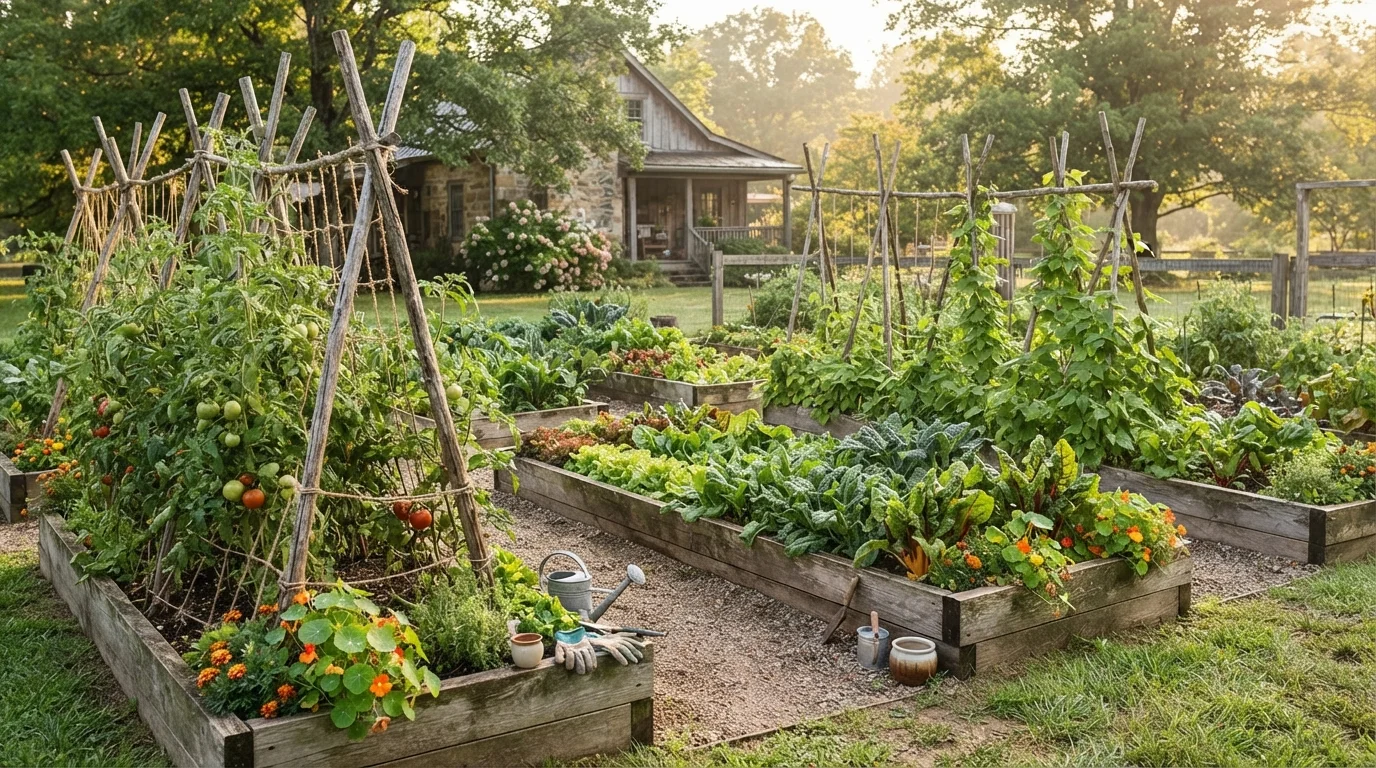
Photo: ScoutAnswers.com | Blogs That Ignite Curiosity editorial
Key Takeaways
- Six or more hours of direct sunlight daily is the single most important site requirement for most vegetables.
- Improving soil with organic matter before planting gives your garden a stronger foundation than fertilizer alone.
- Start small with easy crops like lettuce, radishes, and green beans to build confidence quickly.
- Consistent, deep watering at the soil level is more effective than frequent shallow watering.
- Most pests can be managed without chemicals by using companion planting and early intervention.
Choosing the Right Spot
Location is the foundation of a productive vegetable garden. Most vegetables - especially fruiting crops like tomatoes, peppers, and squash - need at least six hours of direct sunlight per day. Before digging anything, spend a few days observing how sun moves across your yard. Spots that look open in the morning may be heavily shaded by afternoon.
Proximity to water matters too. A garden you can reach with a hose without effort is a garden you'll actually maintain. Avoid low-lying spots that collect standing water after rain, since waterlogged roots are a common cause of plant failure. Flat or gently sloping ground is ideal.
If your outdoor space is limited or your native soil is poor, you may want to explore your container or raised bed options. Our guide on raised beds vs. in-ground planting walks through the practical differences between both methods.
Preparing Your Soil
Healthy soil is the single biggest predictor of garden success. Before planting, loosen compacted earth to a depth of at least 12 inches using a garden fork or tiller. This gives roots room to expand and allows water to drain rather than pool.
Work organic matter - compost, aged manure, or leaf mold - into the top several inches of soil. Organic matter feeds beneficial microbes, improves drainage in clay soils, and helps sandy soils retain moisture. A 2-3 inch layer turned into the soil before planting makes a noticeable difference.
Amend Before You Plant
If you want to build your own compost from kitchen and yard scraps, our article on composting at home provides a practical start-to-finish guide. Finished compost is one of the most effective and affordable soil amendments available.
Consider getting a basic soil test through your county's cooperative extension office. Tests typically reveal pH and key nutrient levels, guiding any lime or fertilizer adjustments needed before you plant.
Deciding What to Grow
The most successful first gardens grow what the gardener actually wants to eat. Make a short list of vegetables your household uses regularly, then cross-reference with crops suited to your climate and season.
Direct seeding
Planting seeds directly into outdoor soil rather than starting them indoors first. Works best for crops that don't tolerate root disturbance, like carrots and beets.
Transplant
A young plant started from seed indoors or in a greenhouse, then moved to its permanent outdoor growing spot. Tomatoes and peppers are commonly sold as transplants.
Organic matter
Decomposed plant or animal material - such as compost or aged manure - added to soil to improve its structure, drainage, and fertility.
Companion planting
Growing certain plants near each other because one may benefit the other - for example, by repelling pests or attracting beneficial insects.
Frost date
The average calendar date of the last spring freeze or first fall freeze in a given location. Used to time planting so tender crops aren't exposed to killing cold.
Row cover
A lightweight fabric or plastic material draped over plants to protect them from insects, frost, or wind while still allowing air and light to reach the plants.
Beginner-friendly vegetables include:
- Lettuce and salad greens - fast-growing, tolerates partial shade, harvestable in as little as 30 days
- Radishes - among the fastest crops from seed to table (as little as 3-4 weeks)
- Green beans - reliable producers in most regions, relatively pest-resistant
- Zucchini - vigorous growers; a single plant can supply a household
- Cherry tomatoes - more forgiving than large slicing varieties for new growers
Start with a manageable plot - a 4×8 foot bed or equivalent container space - rather than overcommitting. A smaller garden you tend consistently outperforms a large one that gets neglected mid-season.
Planting and Watering Basics
Vegetables can be started from seed (sown directly in the ground or started indoors weeks before transplanting) or from transplants purchased from a nursery. Direct seeding works well for root vegetables like carrots and beets, which don't transplant easily. Tomatoes, peppers, and eggplant benefit from an early indoor start or nursery transplants in most U.S. climates.
Follow spacing instructions on seed packets or plant tags - crowded plants compete for nutrients and light, reducing yields and increasing disease risk. After planting, water deeply to settle soil around roots.
Ongoing watering should aim for roughly one inch per week, either from rain or supplemental irrigation. Use a rain gauge or simply place an empty tuna can in the garden to measure how much water falls. Water at soil level - a soaker hose or drip line works well - rather than overhead, which can promote fungal disease on leaves.
Managing Pests and Keeping Plants Healthy
Expect some pest pressure - it's a normal part of gardening, not a sign of failure. The key is early detection. Walk your garden every few days and inspect the undersides of leaves where aphids, caterpillar eggs, and spider mites commonly hide. Catching problems early limits damage and expands your response options.
Physical barriers are often the most effective first line of defense. Floating row covers - lightweight fabric draped over plants - exclude insects and some animals without blocking sunlight. Handpicking larger insects like hornworms is tedious but genuinely effective for small plots.
Companion planting offers another layer of protection. Marigolds planted at garden edges can deter certain nematodes and beetles. Basil grown near tomatoes is widely used by home gardeners, though results vary. For a broader look at chemical-free approaches, see our guide on natural pest control methods that work in home gardens.
Avoid Overwatering - It's a Common First-Year Mistake
Harvesting and What Comes Next
Harvest most vegetables while they're young and actively growing - this encourages the plant to produce more. Zucchini left to grow large becomes tough and signals the plant to stop flowering. Lettuce picked regularly from the outer leaves keeps producing for weeks.
After a successful first season, you'll have firsthand knowledge of what thrives in your specific yard. Consider expanding your crop diversity, improving soil further with another round of compost, or experimenting with season extension techniques like cold frames to stretch your harvest into fall.
Growing your own vegetables also connects naturally to broader goals around nutrition and whole-food eating. Our article Healthy Eating From the Ground Up is a practical companion for anyone thinking about how homegrown produce fits into a balanced diet.
Frequently Asked Questions
The content on this site is for informational purposes only and is not a substitute for professional advice. Always consult a qualified professional for guidance specific to your situation.