
Raised Beds vs. In-Ground Planting: What Works Better for Home Gardeners

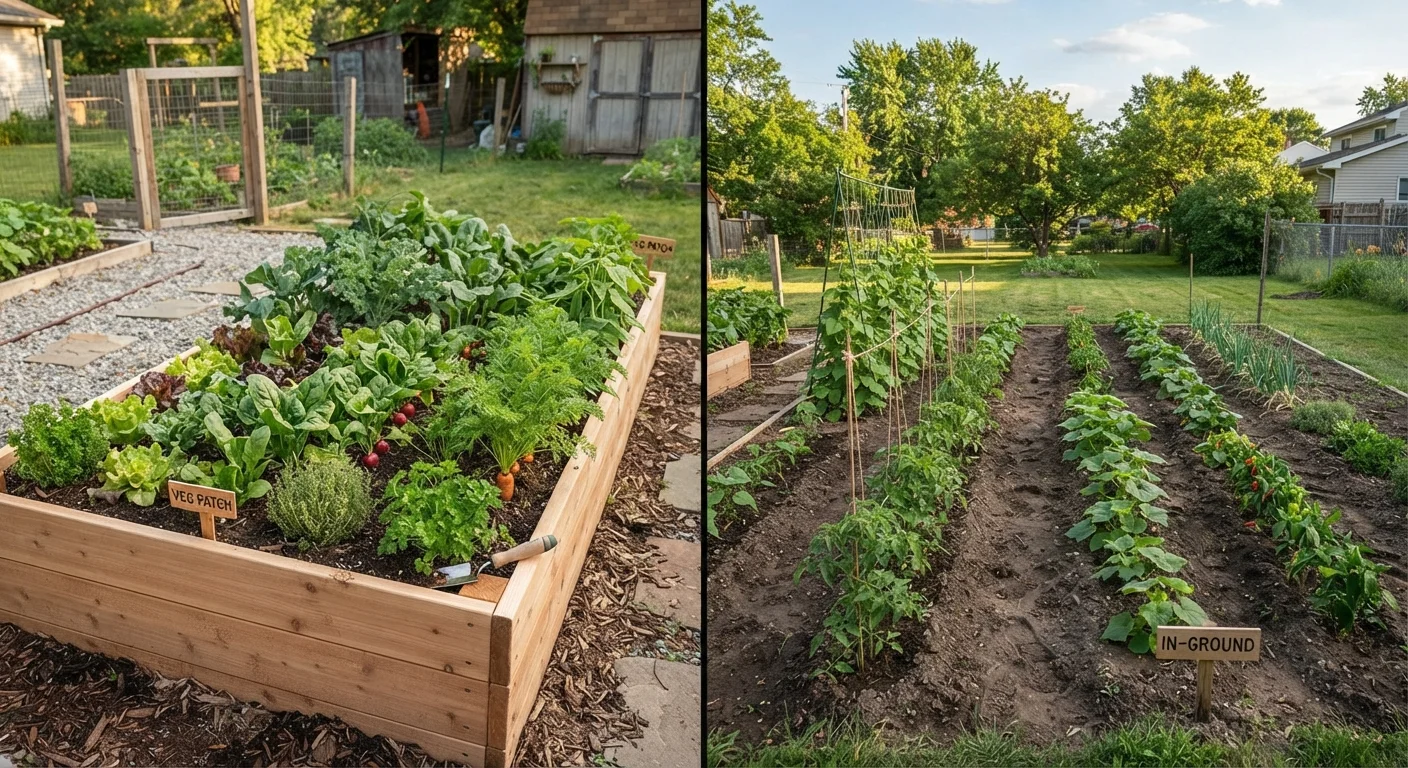
Photo: ScoutAnswers.com | Blogs That Ignite Curiosity editorial
Key Takeaways
- Raised beds offer superior drainage and soil control but require a higher upfront investment.
- In-ground planting costs less to start and suits large-scale growing with decent native soil.
- Raised beds warm up faster in spring, giving gardeners a slight head start on the growing season.
- In-ground gardens depend heavily on existing soil quality, which may need significant amendment.
- Your local climate, physical ability, and available space should all factor into the decision.
The Core Difference: Soil Control vs. Scale
The fundamental choice between raised beds and in-ground planting comes down to how much control you want over your growing environment - and how much you're willing to invest upfront to get it.
Raised beds are contained structures, typically built from wood, metal, or composite materials, filled with a custom soil mix. You define the growing medium from day one. In-ground planting works directly with your existing native soil, amended as needed, spread across open garden rows or plots.
Both methods can produce excellent vegetables, herbs, and flowers. The question is which trade-offs align with your yard, your budget, and how you like to garden.
| Raised Beds | In-Ground Planting | |
|---|---|---|
| Upfront Cost | Higher (materials + fill soil) | Lower (minimal setup required) |
| Soil Control | Full control from the start | Depends on native soil quality |
| Drainage | Excellent; drains freely | Variable; can pool or compact |
| Weed Pressure | Generally lower | Typically higher |
| Season Length | Warms faster; earlier start | Slower to warm in spring |
| Scalability | Limited by cost and space | Easily expanded at low cost |
| Watering Needs | Dries out faster; more frequent | Retains moisture longer |
| Accessibility | Adjustable height; easier on body | Requires bending and kneeling |
Raised Beds: Strengths and Limitations
Raised beds give gardeners a clean slate. You fill them with a blend - typically topsoil, compost, and an aerating ingredient like perlite - chosen for the crops you're growing. This matters enormously if your yard has clay-heavy, sandy, or compacted soil that would take years of amendment to rehabilitate.
Because raised soil sits above ground level, it drains freely and warms up earlier in spring, often letting you start planting two to four weeks ahead of in-ground beds. Weeds are also easier to manage: fewer weed seeds are present in purchased soil mixes, and the contained border discourages lateral spread. Pair this approach with smart watering - see our comparison of drip irrigation vs. sprinkler systems for raised bed options.
The real drawbacks are cost and upkeep. Building materials, hardware, and quality fill soil add up quickly. Raised beds also dry out faster than in-ground plots, meaning more frequent watering during hot stretches. Over time, the soil compresses and needs regular replenishment with compost to maintain structure and fertility - home composting can offset some of that ongoing cost.
Getting the Most from Raised Bed Soil
In-Ground Planting: Strengths and Limitations
In-ground planting has supported home food production for centuries, and for good reason. It costs virtually nothing to start if your soil is already workable - no lumber, no hardware, no bulk soil delivery. It also scales easily: adding more planting area means tilling or turning additional ground rather than building new structures.
Native soil has one major advantage raised beds can't replicate: a living ecosystem. Earthworms, beneficial microbes, and soil organisms that support plant health are already present and active. Deeply rooted crops like tomatoes, squash, and corn often thrive in-ground because they can follow moisture deeper into the soil profile during dry spells.
The challenge is that most American yards don't come with garden-ready soil. Clay, hardpan, rocky ground, or contaminated urban lots all make in-ground gardening difficult without serious amendment. Drainage problems are harder to solve at ground level, and compaction from foot traffic near beds can undo progress quickly. Weeds also tend to be more persistent, spreading from surrounding lawn and untended areas.
Pest management can be comparable in both systems, though in-ground gardens may see more pressure from soil-dwelling insects. Our guide to natural pest control methods covers non-chemical approaches that work in either setting.
Making the Decision for Your Yard
Start by assessing your existing soil. Dig down roughly 12 inches and examine what you find. If it's loose, dark, and crumbles easily, in-ground planting may work well with modest amendments. If it's compacted, pale, or heavily clay-based, a raised bed will save you years of frustration.
Consider your physical situation. Raised beds can be built at heights that eliminate bending - a meaningful benefit for gardeners with back issues or limited mobility. In-ground gardening generally requires more kneeling, crouching, and movement across the plot.
Budget is also a real factor. A single 4×8-foot raised bed built from cedar lumber and filled with quality soil can cost $150 or more before a single seed goes in. In-ground beds may need compost and organic matter, but the cost is far lower. If you're gardening on a tight budget, starting in-ground - even in a modest plot - lets you build experience before committing to raised structures.
Many experienced home gardeners use both: raised beds for high-value crops like herbs, salad greens, and strawberries where soil control matters most, and in-ground rows for larger, deep-rooted vegetables where scale matters more. There's no rule that says you have to choose just one. For broader inspiration on planning a garden that balances cost and year-round interest, consider the full landscape picture as you decide.
The content on this site is for informational purposes only and is not a substitute for professional advice. Always consult a qualified professional for guidance specific to your situation.