
Perennials vs. Annuals: Planning a Garden That Comes Back Every Year

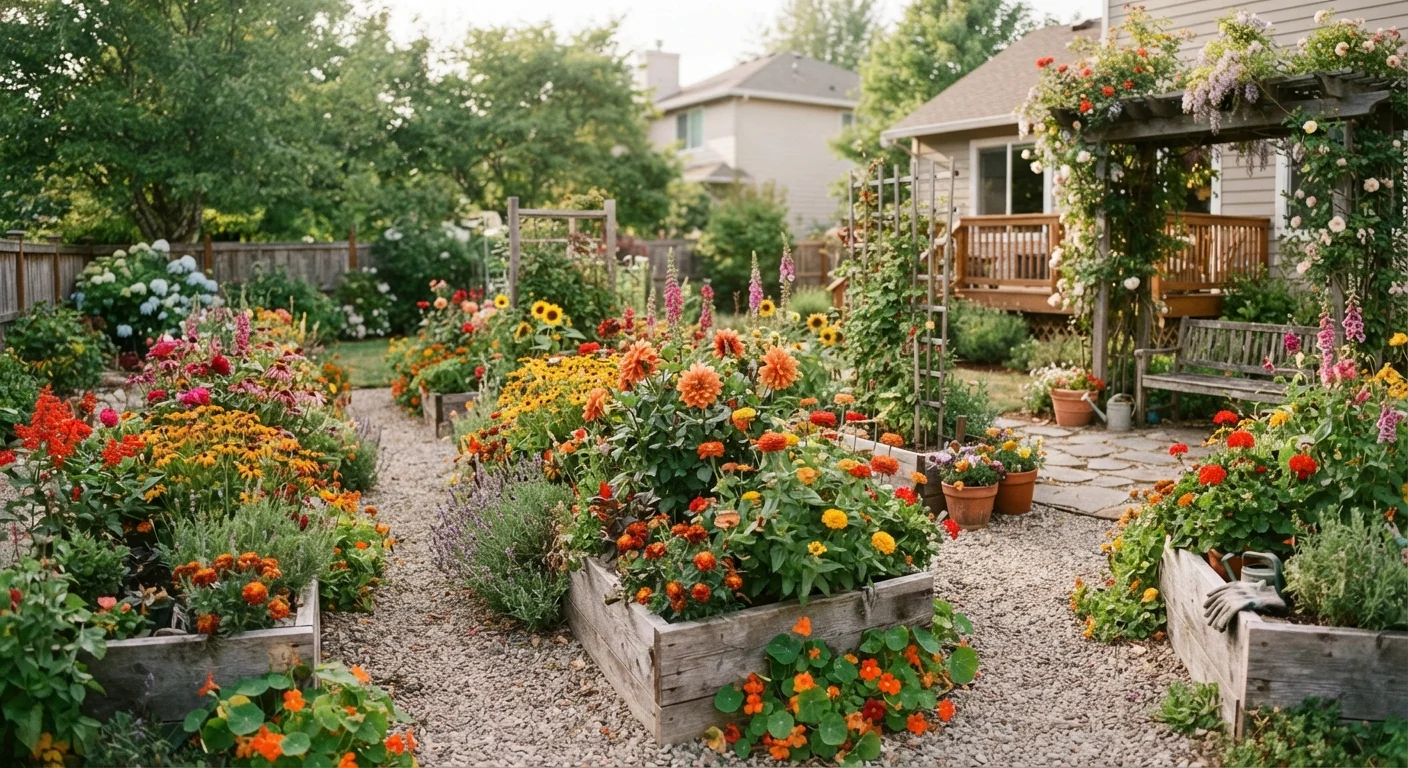
Photo: ScoutAnswers.com | Blogs That Ignite Curiosity editorial
Key Takeaways
- Perennials return year after year, offering long-term value despite higher upfront costs.
- Annuals bloom prolifically for one season and give gardeners flexibility to change colour schemes.
- Combining both types is the most practical strategy for continuous colour and manageable costs.
- Your climate, budget, and maintenance willingness should guide how you balance the two.
- Perennials typically need less replanting labour; annuals require seasonal investment but reward with bold displays.
What Makes a Plant a Perennial or an Annual?
The distinction comes down to life cycle. Annuals complete their entire life - germinating, flowering, setting seed, and dying - within a single growing season. Perennials die back to the ground in winter (in most climates) but their root systems survive, sending up new growth each spring for several years or more.
A third category worth knowing: biennials, which take two seasons to complete their cycle. They're less common in most home garden plantings, but plants like foxglove and hollyhock fall into this group.
Understanding these cycles directly shapes your planting calendar, your budget, and what you can realistically expect from your yard each season.
How Perennials and Annuals Compare
Choosing between the two - or finding the right balance - depends on several practical factors: cost over time, labour investment, design flexibility, and how long into the season you want colour.
| Perennials | Annuals | |
|---|---|---|
| Lifespan | 3+ years from a single planting | One growing season only |
| Upfront cost | Higher per plant | Lower per plant or flat |
| Long-term cost | Lower - no annual repurchase | Higher - replant every year |
| Bloom duration | 2-6 weeks per year (varies) | Continuously until first frost |
| Maintenance | Division every few years; pruning | Regular deadheading; replanting |
| Design flexibility | Limited once established | Easy to change each season |
| Best use | Permanent garden structure | Seasonal colour and gap-filling |
One often-overlooked consideration is bloom window. Many perennials bloom for only two to six weeks per year, meaning a garden planted exclusively with perennials can have significant colour gaps if not carefully planned. Annuals, by contrast, typically bloom from planting through the first hard frost - a major advantage for continuous visual appeal.
Building a Garden Backbone with Perennials
Think of perennials as your garden's permanent framework. Once established - usually after two to three growing seasons - they require considerably less replanting labour and often less watering than annuals. Well-chosen perennials can also spread and fill space over time, reducing bare soil and weed pressure.
Common reliable perennials for American home gardens include coneflowers (Echinacea), black-eyed Susans, hostas, daylilies, and ornamental grasses. Each comes back dependably and offers varying textures, heights, and bloom times that you can layer for sequential interest.
The key to avoiding colour gaps is staggering bloom times. Pair early-season bloomers like bleeding heart with mid-season coneflowers and late-season sedums so something is always flowering. For detailed guidance on keeping perennials healthy year to year, see our seasonal pruning guide, which covers when to cut back specific plants without sacrificing next year's blooms.
Give New Perennials Time to Establish
Using Annuals for Colour, Flexibility, and Filler
Annuals are the workhorses of season-long colour. Because they're engineered to reproduce before they die, they put enormous energy into flower production - which is why a flat of impatiens or zinnias can deliver months of vibrant display.
They're also your most flexible design tool. Want to try a different colour palette this year? Swap out your annuals without disturbing your perennial roots. This adaptability makes annuals particularly useful for containers, window boxes, and front-of-border planting where visual impact matters most.
Annuals also shine in a garden's first year, when newly planted perennials are still establishing their root systems and not yet blooming at full strength. Filling those spaces with annuals prevents the garden from looking sparse while you wait for perennials to mature.
If you're also planning food crops alongside your ornamentals, starting a vegetable garden offers practical advice on integrating edible and decorative plantings.
Practical Tips for Combining Both in One Garden
Most experienced home gardeners settle on a rough split: perennials occupy the majority of permanent bed space, with annuals used strategically to fill gaps and extend the colour season. A common starting point is roughly 70% perennials to 30% annuals, though your specific goals and budget will shape what works best for your yard.
- Plant perennials where they'll have room to spread - crowding them at planting leads to more division work later.
- Use annuals at the front of borders where quick colour impact is most visible and replanting is easy.
- Choose annuals that self-seed (like cosmos or larkspur) to reduce how much you replant each year.
- Group plants by water and sun needs so your maintenance tasks cluster together efficiently.
If water conservation is a priority, many drought-tolerant perennials pair well with a low-water landscape strategy. Our article on xeriscaping and low-water landscaping explores how to build a beautiful yard that doesn't depend on heavy irrigation. And if you're deciding on the type of garden bed itself, raised beds vs. in-ground planting can help you choose the right foundation for both perennials and annuals.
The content on this site is for informational purposes only and is not a substitute for professional advice. Always consult a qualified professional for guidance specific to your situation.