
Seasonal Pruning: When and How to Cut Back Common Shrubs and Perennials

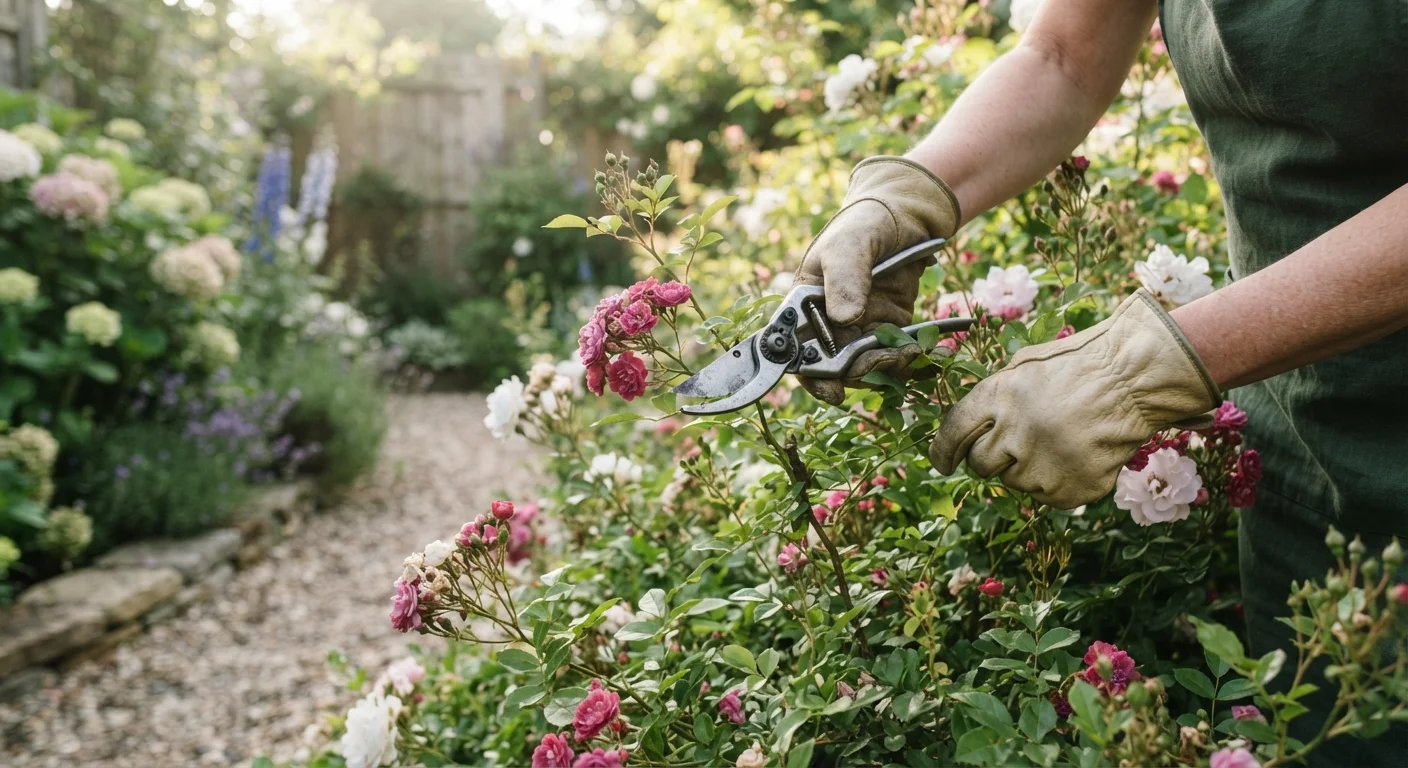
Photo: ScoutAnswers.com | Blogs That Ignite Curiosity editorial
Key Takeaways
- Spring-blooming shrubs should be pruned immediately after flowering, never in fall or early spring.
- Summer-blooming shrubs and most perennials can be cut back in late winter or early spring.
- Clean, sharp tools reduce disease transmission and make cleaner cuts that heal faster.
- Leaving perennial stems standing through winter can benefit wildlife and insulate roots.
- Cutting at the right point on a stem - just above a bud or branch - determines regrowth direction.
Why Pruning Timing Matters More Than Technique
Most gardeners who lose a season of blooms didn't use the wrong tool - they pruned at the wrong time. Flowering shrubs set their buds weeks or months before they open. Cut too late or too early and you remove those buds before they ever get a chance to bloom.
The core rule is straightforward: prune spring-blooming plants after they flower; prune summer-blooming plants before they grow. Plants like lilac, forsythia, and azalea develop next year's flower buds on the current season's new wood shortly after they finish blooming. If you prune them in fall or early spring before they flower, those buds are gone. By contrast, plants like butterfly bush and smooth hydrangea bloom on new wood produced each spring, so pruning them hard in late winter encourages more vigorous growth and better flowering.
Understanding this bloom-cycle distinction is the single most valuable piece of knowledge a home gardener can carry into the yard. Everything else - angles, tool choice, depth of cut - builds on it. For a broader picture of garden planning around plant cycles, see our guide on perennials vs. annuals.
Pruning Common Shrubs: A Season-by-Season Breakdown
Spring-blooming shrubs (forsythia, lilac, azalea, weigela, rhododendron): Prune within two to four weeks after blooms fade. This gives the plant the entire growing season to set new buds. Avoid pruning these plants after midsummer, as next year's buds will already be forming.
Summer-blooming shrubs (butterfly bush, panicle hydrangea, smooth hydrangea, spirea varieties): Prune in late winter or early spring before active growth begins. For butterfly bush and smooth hydrangea, cutting stems back to 12-18 inches from the ground encourages strong new stems and heavy flowering. Panicle hydrangeas need only light shaping.
Bigleaf hydrangeas (mophead and lacecap types) are a common source of confusion. These bloom on old wood in most varieties, so they should be pruned with care only right after flowering. Remove only dead or crossing stems unless reshaping is necessary.
Roses: Hybrid teas and grandifloras benefit from hard pruning in early spring once forsythia blooms - a widely used natural timing cue. Remove dead, diseased, or crossing canes, cutting to healthy cream-colored pith. Shrub and climbing roses need less aggressive pruning and generally only light shaping after they bloom.
Prune spring-blooming shrubs within four weeks of flowering
Cut summer-blooming shrubs back hard in late winter before new growth starts
Leave perennial seedheads standing through winter, then cut back in early spring
Disinfect cutting tools between plants, especially when disease is visible
Make cuts just above an outward-facing bud at a slight angle
Cutting Back Perennials: Timing and Technique
Perennials present a genuine choice: cut them back in fall for a tidy garden, or leave the stems standing through winter for wildlife benefit and root insulation. Both approaches have merit depending on your region and garden goals.
Fall cutback works well in mild climates and reduces disease carryover from plants prone to fungal issues (like peonies and bee balm). Cut stems to within 3-4 inches of the ground after a killing frost has ended the growing season.
Leaving stems standing benefits songbirds that feed on seedheads (coneflowers and black-eyed Susans are especially valuable), and hollow or pithy stems provide overwintering habitat for native bees. In colder USDA zones, the standing stems also help trap insulating snow around crowns.
Early spring cutback is the middle path many gardeners prefer: leave stems all winter, then cut everything back as new growth begins to emerge from the base. This approach provides winter interest, wildlife support, and still allows a clean start for spring.
Regardless of timing, cut perennial stems cleanly just above the crown or emerging basal growth. Avoid leaving stubs, which can harbor rot and disease. After cutting back, consider whether a fresh layer of mulch would benefit the bed - our guide to mulch types covers the options clearly.
Basic Cutting Technique and Tool Care
Good technique starts with the cut angle and placement. Always cut just above an outward-facing bud or lateral branch - roughly a quarter inch above and angled slightly away from the bud so water sheds away. Cutting too close damages the bud; cutting too far leaves a dying stub.
For stems thicker than a pencil, use bypass pruners rather than anvil types, which can crush stems. For branches over an inch in diameter, use loppers. Pruning saws handle anything larger. Avoid using hedge shears on flowering shrubs - they remove growth indiscriminately and can shear off emerging buds.
Tool hygiene matters. Wipe cutting blades with a solution of one part bleach to nine parts water, or rubbing alcohol, between plants - especially when moving from a diseased plant to a healthy one. Dull blades tear tissue instead of cutting cleanly, creating ragged wounds that are slower to callus over. Sharpen pruners at least once per season.
Keeping your yard healthy year-round involves multiple overlapping habits. Proper pruning pairs well with good lawn watering practices and thoughtful fall lawn care to give the whole garden a strong foundation heading into each new season.
The content on this site is for informational purposes only and is not a substitute for professional advice. Always consult a qualified professional for guidance specific to your situation.