
Mulch Types and When to Use Each One

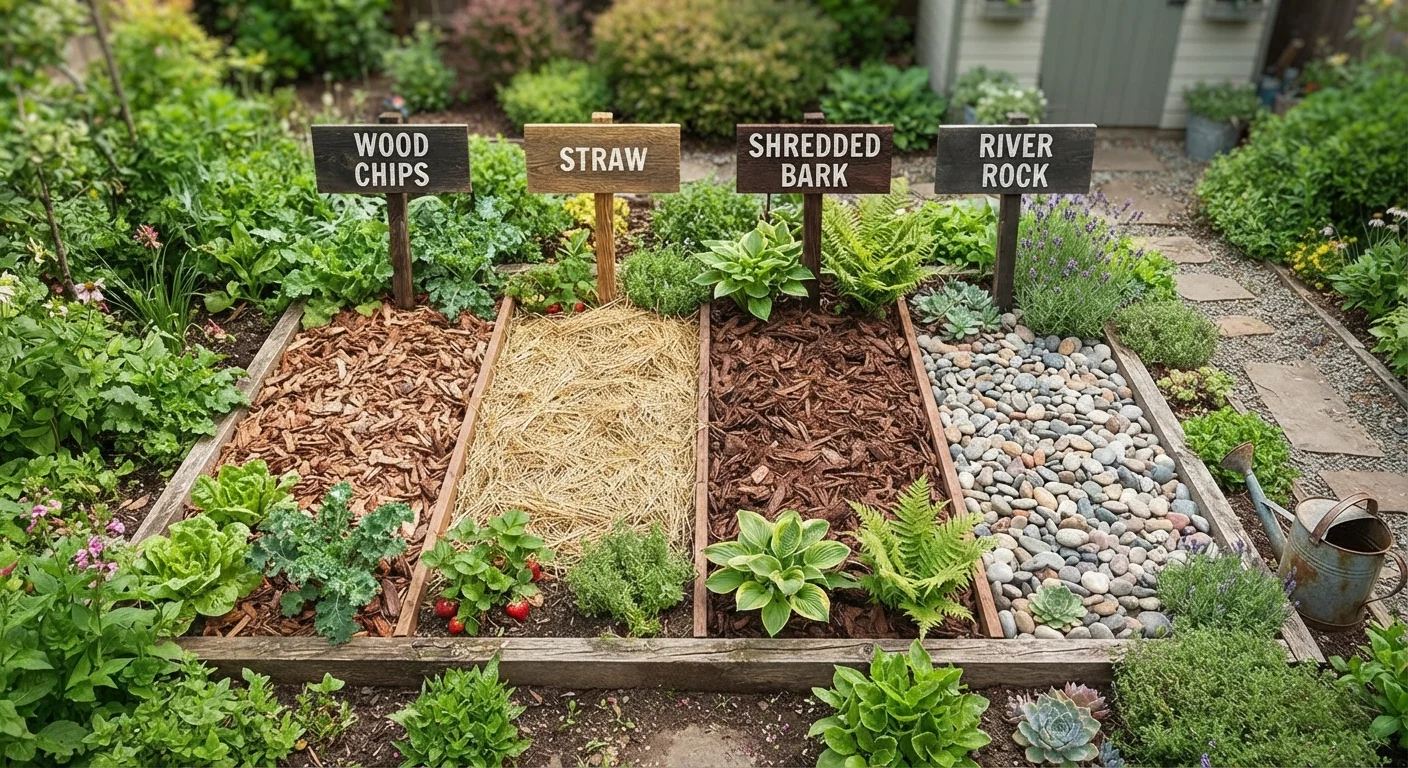
Photo: ScoutAnswers.com | Blogs That Ignite Curiosity editorial
Why Mulch Type Matters
Mulch does more than make a garden bed look tidy. Depending on what it's made of, mulch can retain soil moisture, regulate temperature, suppress weeds, feed soil microbes, or simply keep surfaces stable underfoot. Choosing the wrong type for a given situation doesn't always cause immediate damage, but it can quietly undermine your plants season after season.
The two broad categories are organic mulches - materials that were once living and will decompose over time - and inorganic mulches, which are mineral or synthetic and persist without breaking down. Each category has distinct trade-offs. This guide covers the most common types, what they do best, and where they fall short.
Organic Mulch Options
Wood chips and shredded bark are probably the most widely used mulches in American home landscapes. They break down slowly (usually over 1-3 years), feed soil organisms as they decompose, and do a solid job suppressing weeds when applied 2-4 inches deep. They work well around trees, shrubs, and perennial beds. One caution: fresh wood chips placed directly against plant stems can promote rot and create habitat for pests. Keep mulch a few inches away from trunks and crowns.
Straw is a go-to for vegetable gardens, especially newly seeded areas. It's lightweight, insulates the soil, and breaks down within a single season - returning modest organic matter. Because it decomposes quickly, it needs annual replenishment. Avoid hay, which often contains weed seeds.
Shredded leaves are free if you have deciduous trees. Run dry leaves through a mower or leaf shredder and apply 2-3 inches deep. They mat less than whole leaves, decompose within one to two seasons, and add nutrients as they break down. An excellent low-cost option for vegetable and flower beds alike.
Compost functions as mulch when applied 1-2 inches thick over the soil surface. It doesn't suppress weeds as effectively as bulkier materials, but it actively feeds soil biology and improves soil structure - making it a top choice when soil amendment is the primary goal. For more on integrating compost and mulch into different garden setups, see raised beds vs. in-ground planting.
Pine needles (pine straw) work well around acid-loving plants like blueberries, azaleas, and rhododendrons. They interlock to resist displacement in sloped areas and break down slowly. Research is mixed on whether they significantly acidify soil, so don't rely on them alone to change soil pH - test your soil separately.
Organic mulch
Mulch made from once-living material - such as wood, straw, or leaves - that breaks down over time and adds organic matter to the soil.
Inorganic mulch
Mulch made from mineral or synthetic materials - such as gravel, rock, or rubber - that does not decompose and provides no nutritional benefit to soil.
Soil amendment
Any material mixed into or applied to soil to improve its physical or chemical properties, such as drainage, aeration, or nutrient content.
Landscape fabric
A woven or non-woven synthetic sheet laid on soil beneath mulch to suppress weed growth. Effective short-term but can impede water and air flow over time.
Decomposition
The biological breakdown of organic material by microbes, fungi, and other soil organisms, which releases nutrients back into the soil.
Mulch volcano
An informal term for the practice of piling mulch high against a tree trunk - a harmful mistake that traps moisture and encourages disease and pest problems.
Inorganic Mulch Options
River rock and gravel are durable, low-maintenance, and excellent for water-wise landscapes. They don't decompose, so they require no annual topping off. Because rock absorbs and radiates heat, it can raise soil temperatures - beneficial in cool climates, potentially stressful for plants in hot regions. Rock mulch is a natural fit for xeriscaping and drought-tolerant plantings. Learn more about designing low-water landscapes in our guide to xeriscaping and low-water landscapes.
Landscape fabric is sometimes layered under rock or bark to block weeds. It works reasonably well initially, but over time debris accumulates on top, weeds root into the fabric, and it can restrict beneficial water and air movement to the soil. It's most appropriate for permanent pathways rather than active planting beds.
Rubber mulch, typically made from recycled tires, is marketed primarily for playgrounds and play areas, where its cushioning properties are a genuine advantage. It doesn't decompose, which eliminates the feeding benefit to soil, and some gardeners have concerns about leaching, though research on this in typical garden use is ongoing. It's generally not recommended for vegetable gardens or food-producing areas out of an abundance of caution.
Avoid common misconceptions about mulch behavior - check our roundup of garden myths that waste your time and money to separate fact from folklore before you buy a truckload of anything.
A Note on Colored or Dyed Mulch
Matching Mulch to the Job
Here's a simple rule of thumb: if the goal is to improve soil over time, choose an organic mulch that will decompose. If the goal is long-term weed suppression or ground cover in a no-dig area, an inorganic option saves labor. For vegetable gardens, organic materials like straw or shredded leaves are almost always the better fit since they break down and feed the soil between seasons.
Depth matters as much as type. Most mulches perform best at 2-4 inches. Thinner layers don't suppress weeds reliably; thicker layers can trap excess moisture and prevent rainfall from penetrating to roots. Check and refresh organic mulch each spring, since decomposition reduces the layer over the course of a growing season.
For lawn areas transitioning between grass types, mulch choice is less relevant - what matters there is grass selection and timing. Our guide to cool-season vs. warm-season grasses covers that topic in full.
The content on this site is for informational purposes only and is not a substitute for professional advice. Always consult a qualified professional for guidance specific to your situation.